
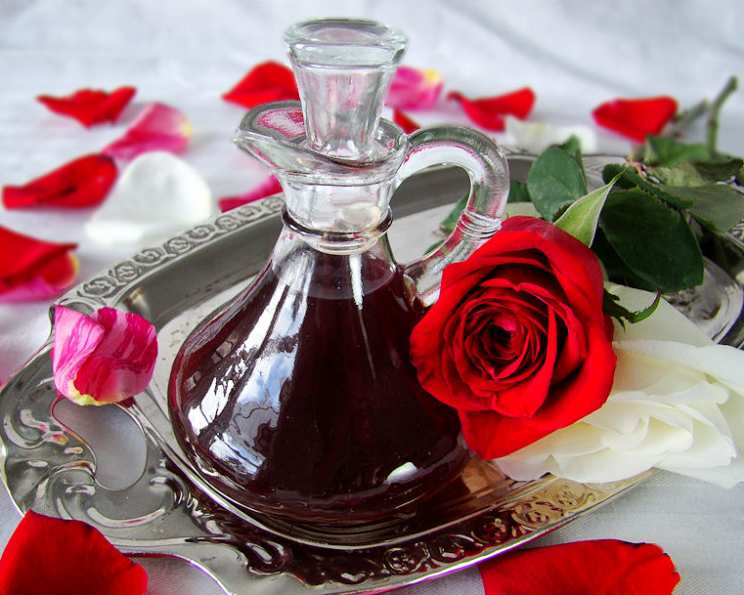
Homemade Rose Water: A fragrant necessity for your pantry
There’s a certain magic that unfolds when you harness the delicate essence of nature to elevate your cooking. I remember stumbling upon an old Shaker cookbook years ago, a treasure trove of resourceful culinary wisdom. It was there, nestled amongst recipes for preserved fruits and hearty stews, that I first encountered the allure of rose water. The recipe called for it as a wonderfully aromatic substitute for vanilla, a testament to the Shakers’ ingenious use of readily available ingredients. That moment sparked a culinary adventure, leading me to discover the profound, floral notes that rose water can impart, transforming simple desserts and savory dishes into something truly extraordinary. Crafting your own allows for an unparalleled purity of flavor, far surpassing anything you might find pre-bottled.
Recipe Overview
- Prep Time: 10 minutes
- Cook Time: 30 minutes (simmering) + cooling time
- Total Time: Approximately 50 minutes (active time), plus cooling and chilling
- Servings: Varies based on usage, but yields a significant amount for infusions.
- Yield: Approximately 1/2 liter (or about 2 cups)
- Dietary Type: Vegan, Gluten-Free, Dairy-Free, Nut-Free, Sugar-Free
Ingredients
- 3 cups fresh rose petals (ensure the roses are unsprayed and free from any pesticides. Heirloom or fragrant varieties like Damask or English roses are ideal.)
- 1 liter mineral water (using mineral water adds a subtle minerality that complements the floral notes. Filtered water is an acceptable substitute.)
Equipment Needed
- A medium-sized, non-reactive pot (stainless steel or enamel is best)
- A fine-mesh sieve or cheesecloth
- A clean glass jar or bottle with a tight-fitting lid for storage
Instructions
- Begin by preparing your rose petals. Gently rinse the fresh rose petals under cool water to remove any dust or debris. Be very delicate, as bruised petals can release bitterness.
- Place the 3 cups of fresh rose petals into your clean, non-reactive pot.
- Pour the 1 liter of mineral water over the rose petals, ensuring they are fully submerged.
- Cover the pot tightly with a lid.
- Place the pot over low heat. Allow the mixture to simmer gently. The goal here is a very low, slow infusion, not a vigorous boil.
- Continue to simmer until approximately half of the water has evaporated. This process should take around 30 minutes. You’ll notice the water taking on a faint pinkish hue and a beautiful, subtle aroma filling your kitchen. The low heat ensures that the delicate fragrance of the roses is extracted without becoming harsh or boiled away.
- Once the water has reduced by half, remove the pot from the heat.
- Let the mixture cool completely to room temperature. This cooling period is crucial for allowing the flavors and aromas to fully meld and deepen.
- Once cooled, discard the rose petals. You can do this by carefully straining the liquid through a fine-mesh sieve lined with a layer of cheesecloth if you desire an exceptionally clear rose water.
- Pour the resulting fragrant liquid, your homemade rosewater, into a sterile glass bottle or jar. Ensure the bottle is impeccably clean and dry before filling.
- Cap the bottle tightly.
- Store your homemade rose water in the refrigerator. This will help preserve its freshness and delicate aroma.
Expert Tips & Tricks
For an even more intense rose aroma, consider using the petals from several different varieties of fragrant roses, provided they are all unsprayed. If you find the initial simmer hasn’t quite captured the fragrance you desire, you can repeat the simmering process with a fresh batch of petals and the already-infused rose water, though this is rarely necessary if your petals are fresh and fragrant. Ensuring your storage bottle is sterilized (by boiling or running through a hot dishwasher cycle) will significantly extend the shelf life of your homemade rose water.
Serving & Storage Suggestions
Your homemade rose water is a versatile ingredient. It’s perfect for adding a floral whisper to baked goods like cakes, cookies, and pastries. It can also be used to add a unique dimension to Middle Eastern or Indian dishes, such as rice puddings, custards, or even marinades. A small splash can elevate a simple fruit salad or a glass of lemonade.
Store your homemade rose water in the refrigerator. It will retain its best quality for about 2 to 3 weeks. Beyond that, while it may not spoil, its delicate aroma can begin to fade. Always check for any off-smells or cloudiness before use, though with proper sterile storage, this is unlikely.
Nutritional Information
Since homemade rose water is essentially infused water with negligible amounts of actual rose petal material, its nutritional profile is very minimal.
| Nutrient | Amount per Serving | % Daily Value |
|---|---|---|
| Calories | 0 kcal | 0% |
| Total Fat | 0 g | 0% |
| Saturated Fat | 0 g | 0% |
| Cholesterol | 0 mg | 0% |
| Sodium | < 5 mg | 0% |
| Total Carbohydrate | 0 g | 0% |
| Dietary Fiber | 0 g | 0% |
| Sugars | 0 g | 0% |
| Protein | 0 g | 0% |
Note: Nutritional values are estimates and can vary based on the specific type of rose and water used.
Variations & Substitutions
While this recipe focuses on pure rose water, for those seeking to add a touch of sweetness or a different flavor profile, consider these minor adjustments:
- Sweetened Rose Water: Add a tablespoon or two of sugar or honey to the simmering water. This will create a lightly sweetened syrup that can be used as a simple glaze or flavoring agent. Be aware that adding sugar will alter the nutritional profile and may slightly reduce the shelf life.
- Infused Rose Water: Experiment by adding a few strands of saffron or a tiny piece of cardamom pod to the water during the simmering process for a more complex aromatic experience. Remove these additions along with the rose petals.
FAQs
Q: Can I use any type of rose for making rose water?
A: It’s best to use fragrant rose varieties like Damask or English roses. Ensure they are unsprayed as you will be consuming the water.
Q: How long does homemade rose water last?
A: Stored in the refrigerator, it typically lasts for 2 to 3 weeks for optimal flavor and aroma.
Q: What happens if I boil the rose water too vigorously?
A: Boiling too high can destroy the delicate floral compounds, resulting in a harsh or less fragrant rose water. A gentle simmer is key.
Q: Can I use tap water instead of mineral water?
A: Yes, filtered water is a good substitute. Tap water might impart a slight taste depending on your local supply.
Q: How do I know if my rose water has gone bad?
A: Look for any cloudiness or an off smell that is different from the pleasant floral aroma.
Final Thoughts
Crafting your own rose water is a rewarding endeavor that connects you to a long tradition of using nature’s bounty. The subtle yet profound fragrance it imparts can elevate your culinary creations in ways you might not have imagined. It’s a small effort with a grand reward, adding a touch of elegance and timeless aroma to your kitchen. I encourage you to try this simple process; the scent alone is worth it, and the resulting liquid is a fragrant secret weapon for any discerning cook. It pairs beautifully with a light, almond-based cake or a simple glass of chilled sparkling water. Enjoy the journey and the exquisite results!