
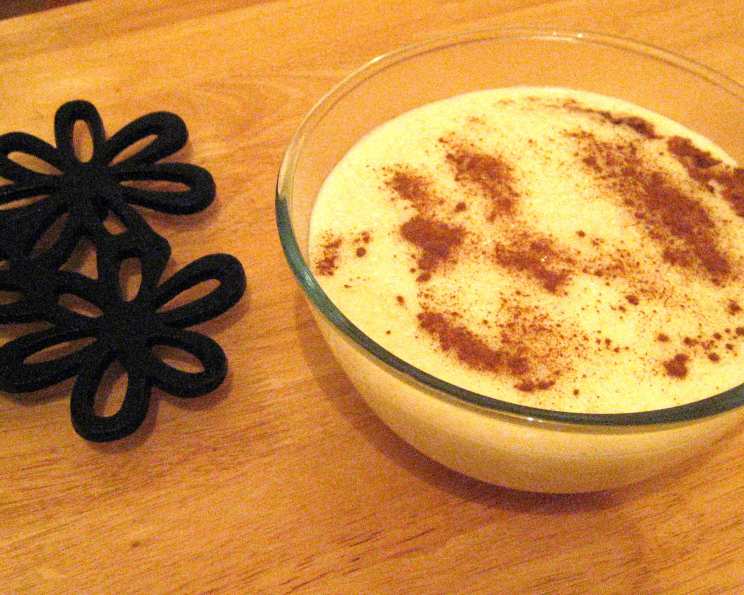
Rose Water Rice Pudding: A Whisper of Elegance from My Kitchen
There are some dishes that, with a single aroma, transport you back in time. For me, rose water rice pudding is one of them. It conjures memories of my grandmother’s small, sun-drenched kitchen, where the air was always thick with the sweet, intoxicating scent of blooming roses from her garden. She’d prepare this pudding on special occasions, a delicate, perfumed indulgence that felt truly luxurious to my young palate. The subtle floral notes, combined with the comforting creaminess of the rice, were unlike anything else, a gentle reminder that even the simplest ingredients, treated with care, could create something magical. It was her way of infusing everyday moments with a touch of elegance, a lesson that has stayed with me throughout my culinary journey.
Recipe Overview
- Prep Time: 15 minutes
- Cook Time: 35 minutes
- Total Time: 50 minutes
- Servings: 6
- Yield: Approximately 6 servings
- Dietary Type: Vegetarian
Ingredients
At the heart of this delicately fragrant pudding lies a short list of simple ingredients, each playing a vital role in building its comforting texture and ethereal aroma.
- 1 cup pudding rice (or 1 cup short-grain rice)
- ¾ cup superfine sugar (or ¾ cup caster sugar)
- 2 ½ cups whole milk, plus 2-3 tablespoons extra whole milk for mixing
- 2 tablespoons cornstarch
- 3 tablespoons rose water
- Ground cinnamon, for sprinkling
- Fresh rose petals, for garnish (optional, ensure they are food-grade and unsprayed)
A Note on Rice: The key to a beautifully creamy rice pudding is the starch released by the rice during cooking. Pudding rice, a common staple in the UK, is specifically designed for this purpose, releasing plenty of starch to create a luscious texture. If you can’t find it, a good substitute is any short-grain rice like Arborio or Calrose. Crucially, avoid long-grain rices like Basmati or Jasmine, as they will not break down sufficiently to achieve the desired creamy consistency. You do not need to soak the rice beforehand.
Equipment Needed
While this recipe is wonderfully straightforward, a few essential tools will ensure a smooth and successful preparation.
- A large, non-stick saucepan (essential for preventing sticking and ensuring even cooking)
- A whisk (for smoothly incorporating the cornstarch mixture)
- A measuring cup and spoons
- A large glass serving bowl or 6 individual ramekins
Instructions
The beauty of this rose water rice pudding lies in its simplicity and the gentle coaxing of flavors and textures. Follow these steps carefully, and you’ll be rewarded with a dish that’s both comforting and sophisticated.
-
Begin by placing the pudding rice in your large, non-stick saucepan. Pour in enough water to generously cover the rice, ensuring it sits about one inch above the rice level. This initial cooking of the rice in water helps to soften it and begin the starch release process before introducing the milk.
-
Bring this mixture to a rolling boil over medium-high heat. Allow it to cook, uncovered, until the rice is tender. Keep an eye on it; the water should be mostly absorbed, and the rice should have softened considerably.
-
Once the rice is tender, it’s time to introduce the richness. Add the 2 ½ cups of whole milk and the ¾ cup of superfine sugar (or caster sugar) to the saucepan. Stir gently to combine.
-
Return the mixture to a boil, then immediately reduce the heat to low. Let the pudding simmer gently, uncovered, stirring occasionally to prevent any sticking. This slow simmering allows the rice to continue absorbing the milk and becoming wonderfully creamy. Aim for a gentle, lazy bubble, not a vigorous boil.
-
While the rice simmers, prepare the thickening agent. In a small, separate bowl, mix together the 2 tablespoons of cornstarch with 1 to 2 tablespoons of the extra whole milk. Whisk this thoroughly until you have a smooth, slightly runny paste with no lumps.
-
With the rice pudding still simmering in the saucepan, and while continuously stirring the pudding to ensure even distribution and prevent lumps, slowly pour in the cornstarch mixture. Continue to stir for a minute or two as the pudding begins to thicken.
-
Now, for the magic touch: mix in the 3 tablespoons of rose water. Stir it through the pudding, ensuring the delicate floral aroma is evenly distributed. Bring the pudding back to a gentle boil, uncovered, for about 1 minute, stirring constantly, to activate the cornstarch and achieve the final, luscious consistency.
-
Remove the saucepan from the heat. Carefully transfer the warm rice pudding into your chosen serving vessel: either a large glass serving bowl or 6 individual ramekins. This is where its beautiful pale hue and creamy texture will be showcased.
-
Allow the pudding to cool at room temperature. Once it has reached a comfortable temperature, refrigerate for at least one hour to allow it to set and chill thoroughly. This chilling process is crucial for developing the perfect pudding texture.
-
Just before serving, dust generously with ground cinnamon. If using, artfully garnish with fresh rose petals. The vibrant colors of the petals against the creamy pudding create a visually stunning dessert.
Expert Tips & Tricks
To elevate your rose water rice pudding from good to truly exceptional, consider these seasoned chef insights:
- The Stovetop Stir: Patience and consistent stirring are your best friends here. Don’t walk away from the pudding during the final thickening stages. A silicone spatula is excellent for scraping the bottom and sides of the pan, ensuring no deliciousness goes to waste.
- Cornstarch Slurry Consistency: The “slightly runny paste” for the cornstarch is key. If it’s too thick, it can be difficult to incorporate without lumps. If it’s too thin, it might not thicken the pudding enough. Aim for a consistency similar to heavy cream.
- Rose Water Quality: The quality of your rose water matters immensely. Opt for a pure, food-grade rose water. A little goes a long way, so start with the recommended amount and taste. You can always add a touch more, but you can’t take it away.
- Temperature Play: While serving chilled is traditional and delightful, a warm rice pudding can also be a decadent treat, especially on a cooler evening. Adjust your serving temperature to your preference.
- Preventing a Skin: To minimize or prevent a skin from forming on the surface as it cools, you can gently press a piece of cling film directly onto the surface of the pudding before refrigerating.
Serving & Storage Suggestions
This rose water rice pudding is a versatile dessert, equally at home as a light afternoon treat or a sophisticated ending to a meal.
Serving:
Serve the pudding chilled, with a generous dusting of ground cinnamon for warmth and spice. The optional fresh rose petals add a touch of ephemeral beauty and a subtle hint of their fragrance. For individual servings, ramekins are charming. If serving from a larger bowl, you can create elegant individual portions by scooping it into bowls. It pairs beautifully with a delicate herbal tea or a crisp white wine.
Storage:
Leftover rose water rice pudding can be stored in an airtight container in the refrigerator for up to 3 days. Due to the milk content, it is not recommended for freezing. If the pudding thickens too much upon refrigeration, you can gently stir in a tablespoon or two of extra milk before serving to achieve your desired consistency.
Nutritional Information
| Nutrient | Amount per Serving (approximate) | % Daily Value |
|---|---|---|
| Calories | 250 kcal | 13% |
| Total Fat | 7 g | 9% |
| Saturated Fat | 4 g | 20% |
| Cholesterol | 20 mg | 7% |
| Sodium | 60 mg | 3% |
| Total Carbohydrate | 40 g | 15% |
| Dietary Fiber | 0 g | 0% |
| Total Sugars | 32 g | 64% |
| Protein | 6 g | 12% |
Please note: Nutritional values are estimates and can vary based on specific ingredients and portion sizes.
Variations & Substitutions
While the classic preparation is divine, feel free to experiment and tailor this pudding to your preferences:
- Dairy-Free Delight: For a dairy-free version, substitute the whole milk with a rich, unsweetened non-dairy milk such as almond milk, cashew milk, or full-fat coconut milk (from a can, for creaminess).
- A Touch of Citrus: A little lemon zest or orange zest added during the simmering stage can offer a bright, complementary note to the rose water.
- Nutty Crunch: Toast some chopped pistachios, almonds, or hazelnuts and sprinkle them over the pudding just before serving for added texture and flavor.
- Beyond Cinnamon: A pinch of cardamom or a whisper of saffron threads steeped in a little warm milk can add intriguing layers of aroma and flavor.
FAQs
Q: What type of rice is best for rice pudding?
A: Pudding rice or any short-grain rice is ideal, as it releases starch to create a creamy texture. Long-grain rice is not suitable.
Q: How can I prevent a skin from forming on my rice pudding?
A: You can prevent a skin by stirring occasionally as it cools, or by pressing a piece of cling film directly onto the surface of the pudding before refrigerating.
Q: Can I make this rice pudding ahead of time?
A: Yes, this pudding is excellent made ahead. It needs to be chilled for at least one hour, and it stores well in the refrigerator for up to 3 days.
Q: My rice pudding is too thick. How can I fix it?
A: If your pudding has become too thick after refrigeration, gently stir in a tablespoon or two of extra milk until you reach your desired consistency.
Q: Is it safe to eat fresh rose petals?
A: Ensure you use only food-grade rose petals that are unsprayed and specifically intended for culinary use.
Final Thoughts
This rose water rice pudding is more than just a dessert; it’s an experience. It’s a gentle embrace of tradition, a whisper of floral enchantment, and a testament to the power of simple ingredients prepared with intention. I encourage you to bring this delicate beauty into your own kitchen. Let its subtle perfume fill your home, and savor each spoonful. It’s a delightful way to share a moment of quiet indulgence, whether enjoyed solo with a good book or as a sweet conclusion to a meal shared with loved ones. I’d be delighted to hear about your own creations and any personal touches you add to this timeless classic.