
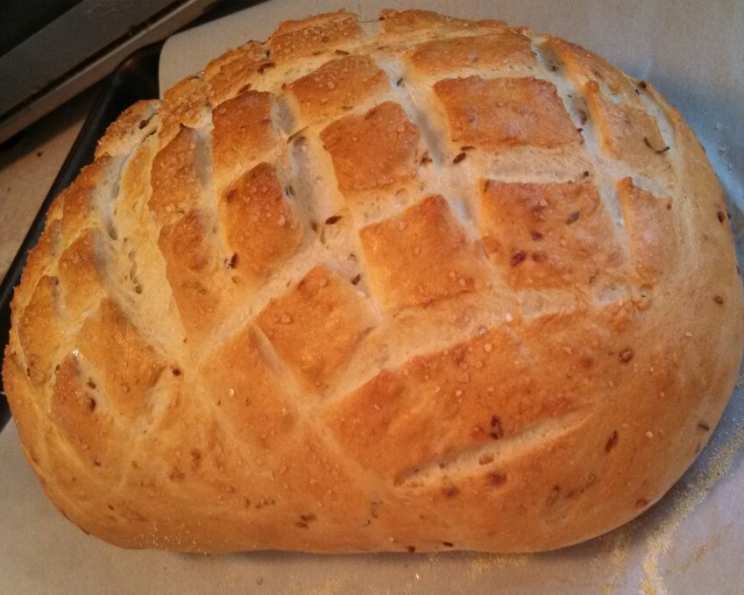
Rosemary and Toasted Onion Bread: A Symphony of Aromas and Textures
There are certain scents that, to me, are the very essence of home, and the aroma of freshly baked bread laced with rosemary and caramelized onion is undoubtedly one of them. I can vividly recall a crisp autumn afternoon years ago, the kind where the air bites just enough to make you crave warmth from within. I’d been experimenting with a new bread machine recipe, a little hesitant about the combination of herbs and that savory, almost sweet onion. But as the cycle progressed, a truly intoxicating fragrance began to fill my kitchen, wafting out into the hallway and even drawing the attention of my usually oblivious cat. It was a moment of pure culinary magic, a testament to how simple ingredients, when treated with care, can transform into something utterly sublime. This loaf, with its rustic charm and deeply satisfying flavor, quickly became a staple, a beacon of comfort on busy weeknights and a welcome addition to any table.
Recipe Overview
- Prep Time: 15 minutes (plus bread machine dough cycle)
- Cook Time: 30 minutes
- Total Time: Approximately 3 hours 45 minutes (including dough rise and baking)
- Servings: 1 loaf (which yields approximately 12 slices)
- Yield: 1 oblong loaf
- Dietary Type: Vegetarian (can be made vegan by omitting egg wash or using a vegan wash)
Ingredients
This recipe relies on a bread machine to expertly handle the dough-making process, leaving you free to anticipate the delightful aroma that will soon fill your home.
- 1 ¾ cups water, plus 2 tablespoons water
- 2 tablespoons olive oil
- 3 cups bread flour
- 1 tablespoon sugar
- 1 teaspoon salt
- 3 teaspoons dry active yeast
- 2 tablespoons fresh rosemary, coarsely chopped
- 1 tablespoon instant minced onion (preferably toasted for deeper flavor)
- ½ teaspoon garlic powder or ½ teaspoon granulated garlic
- 1 egg white, beaten with 1 tablespoon water (for egg wash)
- Coarse sea salt (optional, for topping)
Equipment Needed
- Bread machine
- Measuring cups and spoons
- Large mixing bowl (if making dough by hand, though not required for this recipe)
- Floured surface or clean countertop
- Baking sheet
- Parchment paper
- Pastry brush
Instructions
The beauty of using a bread machine lies in its ability to automate the often-tedious process of kneading and proofing dough. For this recipe, we leverage that convenience to create a wonderfully textured loaf with minimal fuss.
- Begin by adding the wet ingredients to your bread machine pan. This typically includes the water and olive oil. Then, add the dry ingredients over the top: bread flour, sugar, and salt.
- Next, incorporate the aromatics. Sprinkle in the chopped fresh rosemary, the instant minced onion, and the garlic powder or granulated garlic.
- Create a small well in the center of the flour mixture. This is where the yeast will go. Carefully add the dry active yeast into this well, ensuring it does not come into direct contact with the liquid ingredients at this stage, as this can inhibit its activation.
- Place the bread machine pan into your machine, secure the lid, and select the dough setting. Start the machine.
- During the initial mixing phase of the dough cycle, keep an eye on the dough’s consistency. It should be sticky to the touch but also holding its shape. If the dough appears too dry and crumbly, add a tablespoon of water at a time. If it seems excessively wet and sticky, add a tablespoon of bread flour at a time, until the correct consistency is achieved. Your bread machine’s manual can offer guidance on what ideal dough looks like.
- Once the bread machine has completed its dough cycle, carefully remove the dough from the pan onto a lightly floured surface. Punch down the dough gently to release any air bubbles that have formed during the rising process.
- Shape the dough into your desired form. For this recipe, an oblong loaf is particularly well-suited for slicing into perfect sandwich bread. Alternatively, you can shape it into a rustic round. Place the shaped dough onto a baking sheet lined with parchment paper.
- Cover the dough loosely with a clean kitchen towel or plastic wrap. Allow it to rise in a warm place for 30 to 60 minutes, or until it has doubled in size.
- While the dough is undergoing its second rise, preheat your oven to 375°F (190°C).
- Once the dough has risen, remove the cover. In a small bowl, whisk together the egg white and 1 tablespoon of water to create an egg wash. Brush the top of the dough generously with this egg wash. This will give the finished loaf a beautiful golden sheen.
- If desired, sprinkle coarse sea salt over the egg wash. This adds a delightful crunch and a hint of savory flavor. If you are mindful of sodium intake, you can omit the salt and instead sprinkle a little extra rosemary or dried onion on top.
- Bake for 30 minutes, or until the bread is golden brown and sounds hollow when tapped on the bottom.
- Once baked, transfer the loaf to a wire cooling rack and allow it to cool completely before slicing. This is a crucial step for the bread’s texture; cutting into a hot loaf can result in a gummy interior.
Expert Tips & Tricks
- Toasted Onion Magic: While regular minced onion works, toasting it first (either in a dry skillet until fragrant and lightly browned, or by using commercially available toasted dried minced onion) elevates the flavor profile dramatically. It adds a deeper, almost caramelized sweetness that is simply irresistible.
- Herb Freshness: Always use fresh rosemary if possible. The volatile oils in fresh herbs are far more potent and aromatic than dried, though dried will work in a pinch. Just ensure it’s finely chopped to distribute evenly.
- Dough Consistency is Key: Don’t be afraid to adjust the flour or water slightly in your bread machine. Flour absorption can vary based on humidity and the type of flour used. The goal is a dough that is soft and slightly tacky, but not so wet that it sticks to everything.
- Second Rise Warmth: For an optimal second rise, place the covered dough in a slightly warm, draft-free environment. This could be a turned-off oven with the light on, or near a warm appliance.
- Crust Control: If you prefer a softer crust, you can tent the loaf loosely with foil for the last 10-15 minutes of baking.
Serving & Storage Suggestions
This Rosemary and Toasted Onion Bread is a remarkably versatile loaf. Serve it warm, fresh from the oven, with a generous slather of good quality butter. It’s exceptional as a side to hearty stews, soups, or roasted meats. Its robust flavor also makes it the perfect foundation for sandwiches – think of it with sharp cheddar, turkey, or even a simple tomato and mozzarella.
Leftovers can be stored at room temperature in a bread box or an airtight container for 2-3 days. For longer storage, the bread freezes beautifully. Allow it to cool completely, then wrap it tightly in plastic wrap followed by a layer of aluminum foil or a freezer bag. It will keep for up to 2-3 months. To reheat, you can toast slices directly from frozen, or thaw a whole loaf at room temperature and then warm it in a 300°F (150°C) oven for about 10-15 minutes until the crust is re-crisped.
Nutritional Information
This information is an estimation per slice, assuming the loaf is cut into 12 slices. Actual values may vary based on specific ingredients and portion sizes.
| Nutrient | Amount per Serving | % Daily Value |
|---|---|---|
| Calories | 144.6 kcal | |
| Calories from Fat | 23 g | |
| Total Fat | 2.7 g | 4% |
| Saturated Fat | 0.4 g | 1% |
| Cholesterol | 0 mg | 0% |
| Sodium | 200.5 mg | 8% |
| Total Carbohydrate | 25.8 g | 8% |
| Dietary Fiber | 1.2 g | 4% |
| Sugars | 1.3 g | 5% |
| Protein | 4 g | 8% |
Variations & Substitutions
- Herb Garden Twist: Feel free to experiment with other fresh herbs! Thyme, sage, or a combination of these would also be delicious alongside the rosemary and onion.
- Cheese Lover’s Dream: For an extra layer of indulgence, add about ½ cup of grated Parmesan or sharp cheddar cheese to the dry ingredients in the bread machine.
- Olive Oil Upgrade: While standard olive oil works well, a good quality extra virgin olive oil will impart a richer, more pronounced olive flavor.
- Gluten-Free Adaptation: While this recipe is written for traditional bread flour, a high-quality gluten-free bread blend formulated for bread machines can be used. You may need to adjust the liquid content slightly, as gluten-free flours absorb moisture differently.
FAQs
Q: Can I make this bread without a bread machine?
A: Absolutely! You can use your favorite standard bread dough recipe, incorporating the rosemary, onion, and garlic. Knead until the dough is smooth and elastic, then proceed with the rising and baking steps as outlined.
Q: How do I ensure my yeast is fresh and active?
A: Yeast is usually good for several months if stored properly in a cool, dry place. To test its activity, sprinkle it with a pinch of sugar in a small amount of warm water (around 105-115°F or 40-46°C). If it becomes foamy within 5-10 minutes, it’s active and ready to use.
Q: My bread machine’s dough cycle is shorter than the time needed for the dough to double. What should I do?
A: The bread machine dough cycle is primarily for kneading and the initial rise. You will still need to perform the second rise outside the machine as described in the instructions until the dough doubles in size.
Q: Can I use dried rosemary instead of fresh?
A: Yes, but use it sparingly. Dried herbs are more concentrated in flavor. Start with about 1 teaspoon of dried rosemary, crushed, and adjust to your preference.
Q: What is the best way to achieve a crispy crust?
A: Ensure your oven is fully preheated and consider placing a baking pan filled with water on the bottom rack during the first 15 minutes of baking. The steam created will help develop a wonderfully crisp crust.
Final Thoughts
This Rosemary and Toasted Onion Bread is more than just a recipe; it’s an invitation to experience the simple, profound pleasure of homemade bread. It’s a testament to the fact that with a few carefully chosen ingredients and a bit of patience, you can create something truly special that nourishes both body and soul. I encourage you to give it a try, fill your home with its incredible aroma, and savor every delicious bite. It pairs wonderfully with a robust red wine or a crisp, dry cider. Happy baking!