
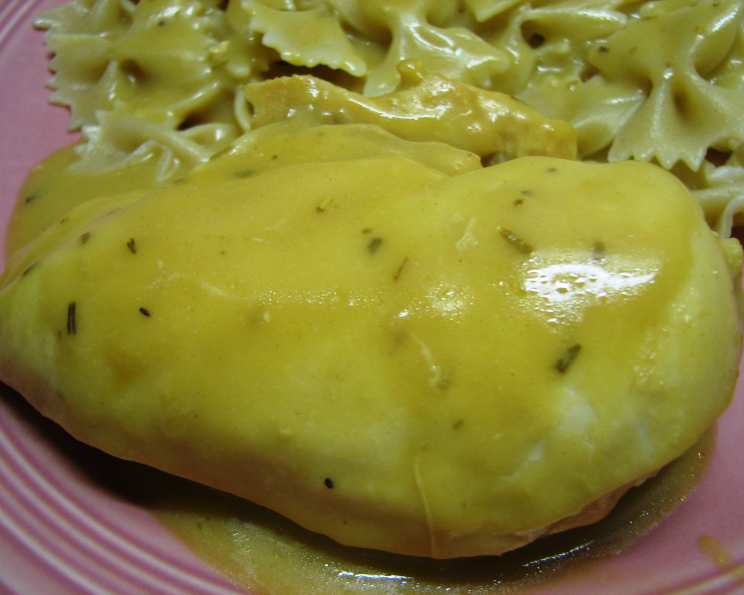
Rosemary Dijon Chicken: A Symphony of Simple Flavors
There are some dishes that just stick with you, the ones you return to time and again, not just for their taste, but for the memories they evoke. For me, Rosemary Dijon Chicken is one of those culinary anchors. It reminds me of the youthful exuberance of learning to cook, a time when the kitchen felt like a magical laboratory. My mother, ever keen on healthy living, brought this recipe home from a dieting group, and it quickly became a weeknight staple. The simplicity, the bright tang of the orange juice, the earthy whisper of rosemary, and the bold punch of Dijon – it was a revelation to my junior high palate, and frankly, it still is. Making it again recently, the familiar aromas filling my kitchen, I was transported back, and the rave reviews at the dinner table were a sweet echo of past successes.
Recipe Overview
- Prep Time: 10 minutes
- Cook Time: 20-25 minutes
- Total Time: 30-35 minutes
- Servings: 4
- Yield: 4 servings
- Dietary Type: Gluten-Free, Dairy-Free
Ingredients
This recipe is elegantly simple, relying on a few quality ingredients to create a truly memorable dish.
- 1 tablespoon vegetable oil
- 4 boneless, skinless chicken breasts
- 1 cup orange juice (fresh squeezed if you can get it, for the best flavor)
- 2 tablespoons Dijon mustard
- 1 teaspoon dried rosemary, crushed
- Salt and pepper to taste
Equipment Needed
You won’t need an arsenal of specialized tools for this straightforward preparation.
- A large, nonstick skillet
- A whisk or fork for mixing the sauce
- Tongs for turning the chicken
- A serving dish
Instructions
Crafting this Rosemary Dijon Chicken is a joyfully uncomplicated process, perfect for even the busiest weeknight. The key is to build layers of flavor through careful searing and simmering.
- Begin by preparing your chicken breasts. If they are particularly thick, you can gently pound them to an even thickness. This ensures they cook through uniformly without the thinner parts becoming dry.
- Heat the vegetable oil in a large, nonstick skillet over medium-high heat. You want the pan to be nice and hot, but not smoking.
- Carefully place the chicken breasts into the hot skillet. Sear them on both sides for approximately 3 to 5 minutes per side. This step is crucial for developing a beautiful golden-brown crust, which locks in moisture and adds a wonderful depth of flavor.
- While the chicken is searing, prepare the sauce. In a small bowl, whisk together the orange juice, Dijon mustard, and the dried rosemary, crushed. Make sure the mustard is fully incorporated into the orange juice. Season with a pinch of salt and pepper – remember that the Dijon mustard already has some saltiness, so go easy initially.
- Once the chicken is nicely browned, pour the prepared orange juice and Dijon mixture directly over the chicken in the skillet.
- Bring the sauce to a simmer. Reduce the heat to medium-low, cover the skillet loosely (or entirely if you prefer a more intensely flavored sauce), and let the chicken simmer for another 10 minutes. During this time, turn the chicken occasionally to ensure it is evenly coated in the sauce and cooks through. The chicken should be cooked to an internal temperature of 165°F (74°C).
- When the chicken is cooked through and tender, carefully remove the chicken breasts from the skillet and place them onto a serving dish.
- Now, for the finishing touch: turn the heat under the skillet up to high. Allow the sauce to boil for 1 to 2 minutes, stirring constantly. The goal here is to reduce the sauce until it is thick enough to coat the back of a spoon. This concentrated sauce will be incredibly flavorful and will beautifully dress the chicken.
- Once the sauce has reached your desired consistency, pour it generously over the chicken on the serving dish.
Expert Tips & Tricks
To elevate your Rosemary Dijon Chicken from good to truly exceptional, consider these professional insights:
- Fresh Orange Juice is Key: While bottled orange juice will work in a pinch, the vibrancy and subtle sweetness of fresh-squeezed orange juice make a noticeable difference in the final flavor profile. It adds a brighter, more nuanced citrus note that complements the rosemary and Dijon beautifully.
- Don’t Skip the Sear: The initial searing of the chicken is not just for aesthetics; it creates a Maillard reaction that develops complex savory flavors and forms a protective layer that helps keep the chicken juicy during the simmering process.
- Adjust Rosemary to Taste: While 1 teaspoon is a good starting point, if you’re a big fan of rosemary, don’t hesitate to add a little more. Remember that dried herbs are more potent than fresh, so start with the suggested amount and adjust in future preparations.
- Thickening the Sauce: The final boil of the sauce is where you achieve that restaurant-quality glaze. Keep a close eye on it, as it can reduce very quickly. You’re looking for a consistency that clings to a spoon, not something watery or overly thick like a gravy. If it reduces too much, you can always add a tablespoon or two of water or chicken broth to loosen it up.
Serving & Storage Suggestions
This Rosemary Dijon Chicken is wonderfully versatile and pairs beautifully with a variety of accompaniments.
Serve the chicken hot, spooning the rich, reduced sauce generously over each piece. It’s particularly delightful served alongside rice, quinoa, or mashed potatoes – anything that can soak up that delectable sauce is a winner. A simple steamed green vegetable, like broccoli or asparagus, provides a fresh, crisp counterpoint.
Leftovers can be stored in an airtight container in the refrigerator for up to 3 days. When reheating, gently warm the chicken and sauce in a skillet over low heat, or in the microwave, being careful not to overcook the chicken. For longer storage, you can freeze the cooked chicken and sauce for up to 2 months, though the texture of the chicken may change slightly upon thawing.
Nutritional Information
(Please note: Nutritional values are estimates and can vary based on specific ingredient brands and preparation methods.)
| Nutrient | Amount per Serving | % Daily Value |
|---|---|---|
| Calories | 193.6 kcal | N/A |
| Calories from Fat | N/A | N/A |
| Total Fat | 5.3 g | 8% |
| Saturated Fat | 0.9 g | 4% |
| Cholesterol | 68.4 mg | 22% |
| Sodium | 161.5 mg | 6% |
| Total Carbohydrate | 7.2 g | 2% |
| Dietary Fiber | 0.5 g | 1% |
| Sugars | 5.4 g | 21% |
| Protein | 28 g | 55% |
Variations & Substitutions
While this recipe shines in its simplicity, here are a few ideas to tailor it to your preferences:
- Herbal Twist: If you have fresh rosemary on hand, use about 1 tablespoon of finely chopped fresh rosemary in place of the dried. Be aware that fresh herbs are less potent, so you might need to adjust the amount to your liking.
- Citrus Swap: For a different citrus note, you could try using grapefruit juice or a blend of orange and lemon juice.
- Add a Kick: For those who enjoy a bit of heat, a pinch of red pepper flakes or a teaspoon of your favorite hot sauce can be whisked into the sauce mixture.
- Thicker Sauce Option: If you prefer a truly robust, gravy-like sauce, you can create a slurry by whisking 1 teaspoon of cornstarch with 2 tablespoons of cold water and adding it to the boiling sauce during the reduction step.
FAQs
Q: Can I use chicken thighs instead of breasts?
A: Absolutely! Chicken thighs, both bone-in and boneless, skinless, are a fantastic alternative. They tend to stay more moist during cooking. Adjust the simmering time as needed, ensuring they reach an internal temperature of 165°F (74°C).
Q: What if I don’t have a nonstick skillet?
A: If you’re using a stainless steel or cast-iron skillet, ensure it’s well-seasoned and properly preheated. You may need to use a little more oil to prevent sticking during the initial searing.
Q: How can I make the sauce richer?
A: For a richer, more decadent sauce, you can whisk in 1-2 tablespoons of unsalted butter at the very end of the sauce reduction, just before pouring it over the chicken.
Q: Is it important for the orange juice to be fresh?
A: While fresh orange juice offers the best flavor, good quality, 100% pure orange juice from concentrate will also work. Avoid “orange drinks” or those with added sugar, as they will significantly alter the taste of the sauce.
Q: Can I make this ahead of time?
A: You can prepare the sauce ingredients ahead of time and store them in the refrigerator. However, the chicken is best cooked and served fresh to ensure optimal texture and juiciness.
Final Thoughts
Rosemary Dijon Chicken is a testament to the fact that truly delicious food doesn’t need to be complicated. It’s a dish that’s both comforting and sophisticated, a perfect example of how simple ingredients, handled with a little care, can create something truly special. It’s the kind of meal that brings people together around the table, sparking conversation and creating cherished memories. I encourage you to give this recipe a try, and I’m confident it will find a warm spot in your culinary repertoire, just as it has in mine. Serve it with a glass of crisp white wine, and savor every bite of this flavorful, elegant creation.