
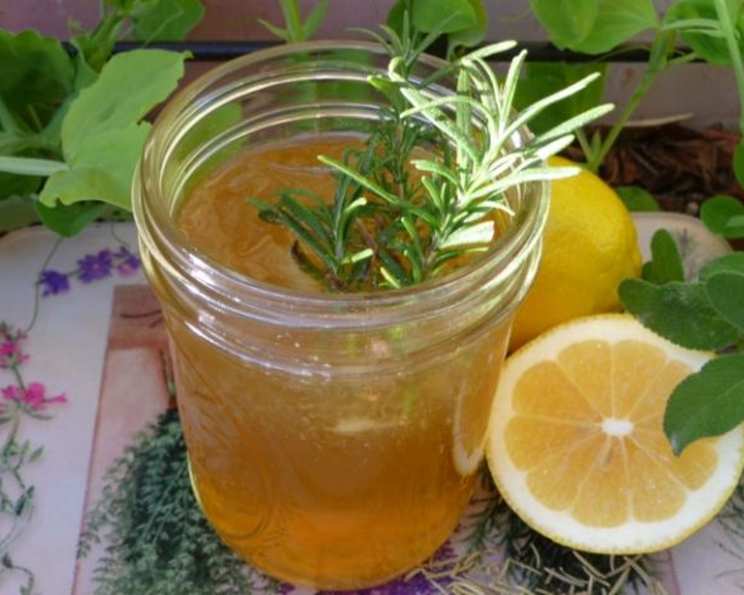
Rosemary Lavender Tea: An Unexpectedly Harmonious Brew
The aroma of a garden in full bloom, mingled with the earthy, pungent notes of herbs – that’s the sensory memory this particular tea conjures for me. Years ago, lost in the delightful process of experimenting with my own herb garden, I found myself with an abundance of rosemary and lavender, both thriving under the summer sun. A question arose: could these distinct personalities be coaxed into a harmonious cup? Initially, I admit, the sheer quantity of rosemary in my early iterations raised an eyebrow, even for me. Yet, against all expectations, a delightful alchemy occurred, with the fragrant lavender masterfully softening the rosemary’s assertive edge, resulting in a surprisingly complex and utterly delicious chilled infusion.
Recipe Overview
- Prep Time: 10 minutes
- Cook Time: 10 minutes
- Total Time: 20 minutes (plus chilling time)
- Servings: 1
- Yield: Approximately 4 cups
- Dietary Type: Vegan, Gluten-Free, Dairy-Free
Ingredients
This recipe is based on a ratio, making it incredibly adaptable to whatever quantity you wish to prepare. The key is maintaining the proportions.
- 1 teaspoon dried rosemary
- 1 teaspoon dried lavender flowers
- 1/2 teaspoon anise seed
Equipment Needed
- A tea ball or infuser (or a fine-mesh sieve if infusing loose)
- A heatproof pitcher or teapot
- A kettle or saucepan for heating water
Instructions
The magic of this tea lies in its simplicity, requiring minimal effort for maximum aromatic reward.
- Assemble your botanicals: Gather your dried rosemary, dried lavender flowers, and anise seed. These three ingredients are the heart and soul of this unique infusion.
- Prepare your infuser: If you have a tea ball or a mesh infuser, place the measured rosemary, lavender flowers, and anise seed directly into it. Close the tea ball securely.
- A Note on Infusing: If you do not have a tea ball or infuser, that’s perfectly fine! You can simply place the ingredients directly into your heatproof pitcher or teapot. You will just need to strain them out later.
- Heat your water: Bring approximately 4 cups of fresh, cold water to a boil using your kettle or a saucepan on the stove.
- Steep the infusion: Once the water has reached a rolling boil, carefully pour it over the tea ball (or loose ingredients) in your heatproof pitcher or teapot.
- Allow to steep: Let the mixture steep for exactly 10 minutes. This duration is crucial for extracting the full flavor profile without bitterness. The rosemary will release its pungent, pine-like notes, the lavender its floral sweetness, and the anise its subtle licorice undertone, creating a balanced and complex aroma.
- Remove the infuser/Strain: After 10 minutes, carefully remove the tea ball or infuser. If you steeped the ingredients loose, strain the liquid through a fine-mesh sieve into another container to remove all solid particles.
- Chill the tea: For the optimal experience, allow the brewed tea to cool to room temperature, then refrigerate it for at least 1 hour, or until thoroughly chilled. This chilled temperature is where the flavors truly meld and the initial perceived “grossness” of the rosemary is completely masked by the cool, aromatic blend.
Expert Tips & Tricks
- Quality Matters: Use high-quality, culinary-grade dried herbs. This makes a significant difference in the final flavor. If you grow your own herbs, ensure they are properly dried and stored in airtight containers.
- Ratio is Key: While the recipe specifies amounts, remember it’s a ratio. If you want to make a larger batch, simply scale up the ingredients proportionally. For every 1 teaspoon of rosemary and 1 teaspoon of lavender, use 1/2 teaspoon of anise seed.
- Sweetness Adjustment: This recipe is unsweetened, allowing the natural herbaceous and floral notes to shine. However, if you prefer a sweeter tea, you can add a touch of honey, agave nectar, or simple syrup after it has chilled, to your personal taste. Stir well to ensure it dissolves completely.
- The Power of Cold: Chilling is not just a suggestion; it’s a vital step. The cold temperature mellows the intensity of the rosemary and allows the subtle nuances of the lavender and anise to come forward. Don’t rush this process!
Serving & Storage Suggestions
This Rosemary Lavender Tea is best served ice-cold. Pour it over plenty of ice in a tall glass. A sprig of fresh rosemary or a few fresh lavender buds as a garnish can elevate the presentation beautifully. For an extra touch of elegance, consider a thin slice of lemon or a few fresh berries.
Storage:
Leftover Rosemary Lavender Tea can be stored in an airtight container in the refrigerator for up to 3-4 days. The flavors may continue to develop slightly over time, but it will remain delicious. Avoid storing at room temperature for extended periods, as this can affect the quality and freshness of the brewed tea.
Nutritional Information
This infusion is wonderfully light, offering a delicate herbal experience without significant caloric impact.
| Nutrient | Amount per Serving (approx. 4 cups total) | % Daily Value |
|---|---|---|
| Calories | 4.5 kcal | <1% |
| Total Fat | 0.2 g | <1% |
| Saturated Fat | 0 g | 0% |
| Cholesterol | 0 mg | 0% |
| Sodium | 0.3 mg | <1% |
| Total Carbohydrate | 0.7 g | <1% |
| Dietary Fiber | 0.2 g | 1% |
| Sugars | 0 g | 0% |
| Protein | 0.2 g | <1% |
Note: Nutritional information is an estimate and can vary based on the specific ingredients used.
Variations & Substitutions
While this recipe is beautifully balanced as is, feel free to explore!
- Lemon Zest: For a brighter, citrusy note, add a strip of lemon zest (use a vegetable peeler to remove just the yellow part, avoiding the bitter white pith) to the tea ball along with the herbs during steeping.
- Minty Freshness: A few sprigs of fresh mint can be added for an invigorating twist, complementing both the rosemary and lavender.
- Ginger Kick: A small slice or two of fresh ginger can add a warming, spicy undertone.
- Floral Emphasis: If you find you really love the floral notes, you can slightly increase the amount of lavender flowers and slightly decrease the rosemary.
FAQs
Q: Why does the recipe call for so much rosemary if it’s not supposed to taste strong?
A: The key is the interaction with the lavender and the chilling process. The lavender softens the rosemary’s intensity, and chilling further melds the flavors, preventing any single herb from dominating.
Q: Can I use fresh rosemary and lavender instead of dried?
A: You can, but you’ll need to adjust the quantities. Generally, use about three times the amount of fresh herbs compared to dried. Keep in mind that fresh herbs can have a more potent flavor.
Q: What kind of water is best for brewing tea?
A: Filtered water is ideal, as tap water can sometimes contain minerals that interfere with the subtle flavors of herbs and teas.
Q: How can I make this tea less bitter?
A: Ensure you are steeping for the exact time specified (10 minutes) and not longer. Over-steeping is a common cause of bitterness in herbal infusions. Also, chilling the tea thoroughly is essential.
Q: Is this tea suitable for children?
A: Due to the potent herbal nature, it’s generally recommended for adults. You can offer a very diluted, lightly sweetened version if desired, but always observe for any sensitivities.
This Rosemary Lavender Tea is more than just a beverage; it’s an experience. It’s a testament to the unexpected harmonies that can be found when you venture beyond the ordinary and allow nature’s pantry to inspire you. Pour yourself a glass, close your eyes, and let the fragrant essence transport you to a serene garden on a sun-drenched afternoon. Enjoy!