
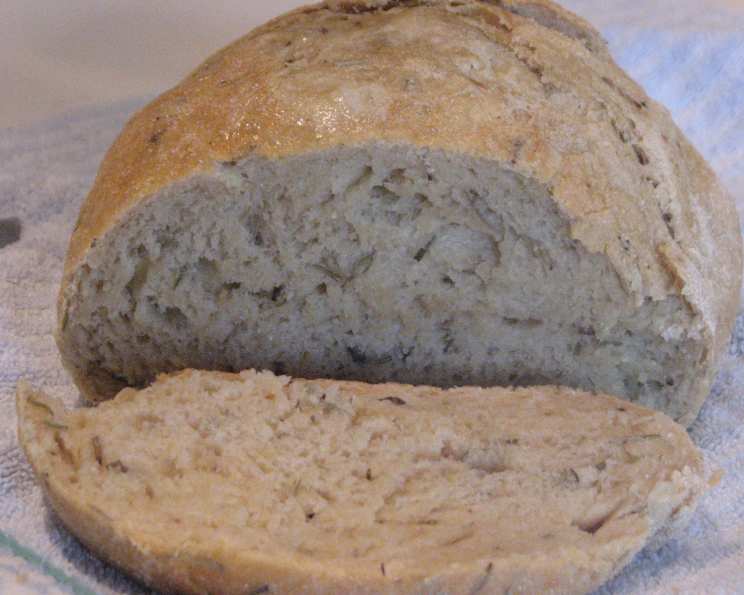
Rosemary-Lemon No-Knead Bread: A Kitchen Symphony of Aromas and Textures
There are certain aromas that transport me instantly. The scent of baking bread is one of them, a primal comfort that speaks of hearth and home. But when that aroma is layered with the bright, zesty perfume of lemon and the earthy, piney essence of rosemary, it becomes something truly magical. I remember the first time I encountered a truly exceptional no-knead bread – a loaf so rustic and inviting, with a shatteringly crisp crust and a tender, yielding crumb that seemed to whisper tales of slow, patient transformation. It was a revelation, a testament to the power of simple ingredients and the beauty of letting nature do its work. This Rosemary-Lemon No-Knead Bread is my ode to that experience, a recipe that has become a cherished staple, filling my kitchen with warmth and unparalleled deliciousness.
Recipe Overview
- Prep Time: 15 minutes (plus 12-18 hours rising time and 2 hours proofing time)
- Cook Time: 45-60 minutes
- Total Time: Approximately 24 hours (including rising and proofing)
- Servings: 1 loaf
- Yield: 1 1½ pound loaf
- Dietary Type: Vegetarian
Ingredients
- 3 cups all-purpose flour
- ¼ teaspoon active dry yeast
- 1 ¾ teaspoons salt
- 2 teaspoons fresh rosemary, chopped
- 2 teaspoons lemon zest, chopped
- 1 ⅝ cups water
- ½ cup cornmeal, as needed
Equipment Needed
- Large mixing bowl
- Plastic wrap
- Clean, lint-free cotton towel
- Dutch oven (2 ¾ quart cast-iron pot recommended)
- Wire rack
- Oven mitts
Instructions
This method of bread-making is a beautiful exercise in patience, a gentle coaxing of simple ingredients into something extraordinary. The magic lies in the long, slow fermentation, which develops incredible flavor and that coveted airy crumb without any strenuous kneading.
-
The Foundation: Mixing the Dough
In a large bowl, combine the all-purpose flour, active dry yeast, salt, fresh rosemary, and lemon zest. Give them a gentle whisk to ensure everything is evenly distributed.
Next, add the 1 ⅝ cups of water. Stir everything together until just blended. The dough will appear shaggy and quite sticky – this is exactly what you want. Resist the urge to add more flour at this stage; it will hydrate during its long rest. -
The First Transformation: The Long Rise
Cover the bowl tightly with plastic wrap. Place the bowl in a warm room temperature environment (around 70°F). Allow the dough to rest until its surface is dotted with bubbles. This will take anywhere from 12 to 18 hours. This extended period allows the yeast to work its wonders, developing complex flavors and the structure of the bread. -
Preparing for the Oven: Shaping and Proofing
Once the dough has undergone its initial rise, it’s time to prepare it for its final shape and proof. Lightly flour a clean work surface. Gently scrape the shaggy dough from the bowl onto the floured surface. Sprinkle a little flour over the dough. Fold the dough over onto itself once or twice. This isn’t a rigorous kneading process; it’s a gentle manipulation to create a little surface tension.
Cover the dough loosely with plastic wrap and let it rest for 15 minutes. This brief rest allows the gluten to relax, making shaping easier.
Now, with very little flour on your hands and the work surface, gently and quickly shape the dough into a ball. The goal is to handle it as little as possible to maintain the precious air bubbles.
Generously coat a clean, smooth cotton towel with cornmeal. Place the dough, seam side down, onto the cornmeal-coated towel. Dust the top of the dough with more flour or cornmeal. Cover the dough with another towel. Let this dough rise until it is more than double in size and does not readily spring back when poked with a finger. This proofing stage typically takes about 2 hours. -
Preheating the Oven and Dutch Oven
At least 30 minutes before your dough is ready to bake, place your 2 ¾ quart cast-iron pot (Dutch oven) into your oven. Preheat your oven to 450°F. The preheated Dutch oven is crucial for achieving that incredible crust. -
The Bake: Creating the Crust and Interior
Once the oven and Dutch oven are fully preheated, carefully remove the hot pot from the oven using oven mitts.
Gently slide your hand under the towel and turn the dough over, seam side up, directly into the hot Dutch oven. Don’t worry if it looks a little messy or misshapen – that’s part of its rustic charm!
Cover the Dutch oven with its lid. Bake for 30 minutes.
After 30 minutes, uncover the pot. Continue to bake until the loaf is nicely browned, which will take an additional 15-30 minutes. The total baking time will vary slightly depending on your oven and the moisture content of your dough. -
Cooling and Revealing
Carefully remove the Dutch oven from the oven and place it on a wire rack. Let the bread cool in the pot for 10 minutes.
Using oven mitts, turn the pot on its side. Gently turn the bread out of the pot. It should release easily.
Allow the bread to cool completely on the wire rack before slicing. This step is essential to allow the crumb to set properly.
Expert Tips & Tricks
- Room Temperature is Key: For the initial long rise, a consistently warm environment (around 70°F) is vital. If your kitchen is cooler, you can place the bowl in a slightly warm oven (turned off, with the light on) or in a proofing box.
- The Touch Test: Learning to gauge the proofing of your dough by touch is a valuable skill. When you gently poke it, the indentation should slowly spring back, but not entirely. If it springs back immediately, it needs more time. If it collapses, it’s likely over-proofed.
- Handling with Care: The less you handle the dough after its initial rise, the airier your crumb will be. Be gentle and quick when shaping.
- Cornmeal is Your Friend: Don’t skimp on the cornmeal for coating the towel and dusting the dough. It prevents sticking and adds a lovely textural contrast to the crust.
- Crust Perfection: If you find your crust is too dark before the interior is cooked, you can loosely tent the loaf with foil for the last portion of the baking time. Conversely, if you desire an even crispier crust, you can remove the lid sooner or bake uncovered for a bit longer.
Serving & Storage Suggestions
This Rosemary-Lemon No-Knead Bread is best served warm, sliced generously. Its robust flavor makes it a perfect accompaniment to a wide array of dishes. Imagine it alongside a hearty lentil soup, a rich stew, or simply slathered with good quality butter.
For storage, once completely cooled, wrap the bread tightly in plastic wrap or place it in an airtight container. At room temperature, it will keep well for 2-3 days. The crust will soften over time, but the interior will remain delightfully moist.
To enjoy its crustiness again, you can reheat slices in a low oven (around 300°F) for a few minutes until warmed through and the crust regains some of its crispness.
For longer storage, freeze the bread, either whole or sliced. Wrap it very securely in plastic wrap and then in aluminum foil or place it in a freezer bag. It will keep in the freezer for up to 3 months. Thaw at room temperature or reheat directly from frozen.
Nutritional Information
This information is an estimate for one serving of the entire loaf, as it’s typically sliced and shared.
| Nutrient | Amount per Serving | % Daily Value |
|---|---|---|
| Calories | 1592.5 kcal | |
| Calories from Fat | ||
| Total Fat | 6 g | 9% |
| Saturated Fat | 0.9 g | 4% |
| Cholesterol | 0 mg | 0% |
| Sodium | 4107.2 mg | 171% |
| Total Carbohydrate | 334.4 g | 111% |
| Dietary Fiber | 15.4 g | 61% |
| Sugars | 1.6 g | 6% |
| Protein | 44.2 g | 88% |
Note: Nutritional values are approximate and can vary based on specific ingredients used.
Variations & Substitutions
While this recipe is perfection as is, don’t be afraid to experiment:
- Herbal Harmony: Swap the rosemary for other hearty herbs like thyme, oregano, or a blend of your favorites. A little finely chopped sage can also add a lovely depth.
- Citrus Twist: Experiment with the zest of other citrus fruits like orange or lime for a different aromatic profile.
- Seeded Sensation: For added texture and flavor, you can incorporate a tablespoon or two of seeds like poppy seeds, sesame seeds, or sunflower seeds directly into the dry ingredients.
- Whole Wheat Whisper: For a slightly heartier loaf with a nuttier flavor, substitute up to 1 cup of the all-purpose flour with whole wheat flour. You may need to adjust the water slightly.
FAQs
Q: Why is my no-knead dough so sticky?
A: The stickiness is intentional! It means the flour can fully hydrate, which is crucial for developing the dough’s structure and creating a tender crumb without kneading.
Q: My bread didn’t rise much. What went wrong?
A: Several factors can affect rising. Ensure your yeast is fresh, your room temperature is warm enough (around 70°F), and that you haven’t overworked the dough during shaping.
Q: Can I use instant yeast instead of active dry yeast?
A: Yes, you can substitute instant yeast for active dry yeast. You can typically use a slightly smaller amount (around 1/8 teaspoon less) and you don’t need to activate it in water beforehand. Just mix it directly with the dry ingredients.
Q: What if I don’t have a Dutch oven?
A: While a Dutch oven is ideal for creating that classic crust, you can try baking the bread on a preheated baking stone or a heavy baking sheet. You’ll want to create steam in the oven by placing a pan of water on a lower rack during the initial part of the bake.
Q: How do I get a really dark, crispy crust?
A: A hot oven, a preheated Dutch oven, and sufficient baking time are key. If your oven runs cool, you might need to bake for the longer end of the suggested time range. For an extra-crisp finish, you can remove the lid a little earlier in the baking process.
Final Thoughts
There’s a profound satisfaction in creating bread from scratch, and this Rosemary-Lemon No-Knead Bread makes that process accessible and incredibly rewarding. The scent of rosemary and lemon mingling in your kitchen as it bakes is an experience in itself, a promise of the delicious, rustic loaf to come. It’s a bread that speaks of simplicity, patience, and the sheer joy of good food. So, gather your ingredients, embrace the slow rise, and prepare to be delighted by a loaf that’s truly a labor of love – and taste. I encourage you to share your creations, the aromas that fill your home, and the memories you bake along with this wonderful bread.