
Rosemary-Parmesan Sourdough Bread: A Crusty, Savory Delight
There are some aromas that just instantly transport me. The earthy, tangy scent of a well-proofed sourdough is one. But when that familiar fragrance mingles with the sharp, nutty notes of toasted Parmesan cheese and the piney, herbaceous whisper of fresh rosemary, well, that’s pure culinary magic. It reminds me of crisp autumn afternoons spent in my grandmother’s kitchen, the air thick with the promise of good food and even better company. This Rosemary-Parmesan Sourdough Bread isn’t just a recipe; it’s an invitation to create those moments, a tangible piece of comfort baked with love and a touch of sophisticated flavor.
Recipe Overview
- Prep Time: 15 minutes (plus overnight starter proofing)
- Cook Time: 30-45 minutes
- Total Time: Approximately 3 hours 20 minutes (active time plus rising and baking)
- Servings: 2
- Yield: 2 x 1-pound loaves
- Dietary Type: Vegetarian
Ingredients
This bread is a celebration of simple, high-quality ingredients that come together to create something truly special. The key is a lively sourdough starter, which lends its signature tang and contributes to a wonderfully airy crumb.
For the Bread:
- 1 ½ cups active sourdough starter (ensure it’s bubbly and active, ideally proofed overnight)
- ½ cup milk
- 2 tablespoons oil (a neutral oil like vegetable or canola works best)
- 1 tablespoon honey
- 3 cups bread flour (you may need a little more, depending on the hydration of your starter)
- ⅔ cup grated Parmesan cheese
- 1 tablespoon fresh rosemary, finely chopped
- 1 teaspoon salt
For the Topping:
- 1 egg white
- 1 tablespoon water
- 3 tablespoons Parmesan cheese, finely grated
Equipment Needed
To bring this delightful loaf to life, you’ll want to have a few key tools at the ready.
- Stand mixer with a dough hook attachment (optional, but highly recommended for ease)
- Large mixing bowl
- Measuring cups and spoons
- Bench scraper or spatula
- Clean kitchen towels or plastic wrap
- Parchment paper or a pizza peel dusted with cornmeal
- Baking sheets
- Small bowl and whisk for egg wash
Instructions
Crafting this Rosemary-Parmesan Sourdough Bread is a rewarding process, and with these clear steps, you’ll be well on your way to baking your own masterpiece.
-
Proof Your Starter: The foundation of any great sourdough is a healthy, active starter. The day before you plan to make your bread, ensure your sourdough starter is proofed overnight. This means feeding it and allowing it to become bubbly and active, typically doubling in size, before it’s ready to be used.
-
Combine Wet Ingredients: In the bowl of your stand mixer, combine the active sourdough starter, milk, oil, and honey. Give it a gentle whisk to incorporate.
-
Add Dry Ingredients and Mix: Add the bread flour, grated Parmesan cheese, fresh rosemary, and salt to the mixer bowl.
-
Develop the Dough: Attach the dough hook to your mixer and begin mixing on low speed. Gradually increase the speed to medium and let the mixer knead the dough until a satin ball is formed. This process should take approximately 12-15 minutes. During this time, keep an eye on the dough’s consistency. If it seems too wet and sticky, add more bread flour, a tablespoon at a time, until it pulls away cleanly from the sides of the bowl. Conversely, if it seems too dry, you can add a tiny bit more milk. The goal is a smooth, elastic dough that’s still slightly tacky to the touch.
-
First Rise (Bulk Fermentation): Lightly grease a clean, large mixing bowl with a little oil. Transfer the dough to the greased bowl, turning it once to coat all sides. Cover the bowl tightly with plastic wrap or a clean, damp kitchen towel. Allow the dough to rise until doubled in size, which typically takes about 1 hour. The exact time will depend on the ambient temperature of your kitchen.
-
Shape the Loaves: Once the dough has doubled, gently turn it out onto a lightly floured surface. You can either form into 1 large or 2 smaller free-form loaves. Be careful not to overwork the dough at this stage; you want to retain as much of the air as possible.
-
Second Rise (Proofing): Place your shaped loaves onto a piece of parchment paper or a pizza peel that has been generously dusted with cornmeal. This will help prevent sticking and make transferring the loaves to the oven easier. Cover the loaves again with a kitchen towel or plastic wrap and allow them to rise until double in size. This second rise usually takes about the same amount of time as the first, around 1 hour.
-
Preheat the Oven: While the bread is on its final rise, preheat your oven to 375 degrees Fahrenheit. Make sure your oven rack is in the middle position.
-
Prepare the Topping: In a small bowl, lightly beat 1 egg white with 1 tablespoon of water. This creates a simple egg wash that will help the Parmesan cheese adhere to the crust and give it a lovely sheen.
-
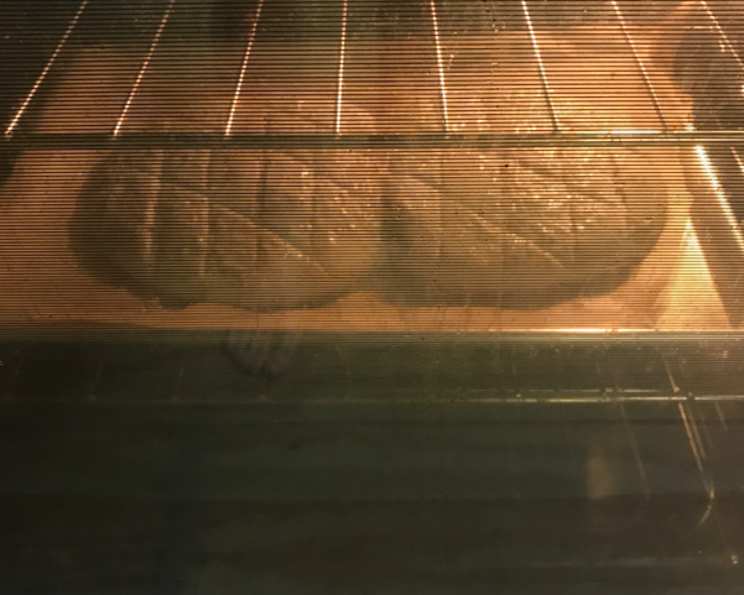
Apply Topping and Bake: Once the loaves have doubled in size for the second time, gently brush the tops of the loaves with the egg wash. Immediately after applying the egg wash, sprinkle generously with the finely grated Parmesan cheese. Carefully transfer the loaves (along with the parchment paper, if using) to your preheated oven.
-
Baking Time: Bake at 375 degrees Fahrenheit for 30-45 minutes. The exact baking time will depend on the size of your loaves and your individual oven. The bread is done when it has a deep golden-brown crust and sounds hollow when tapped on the bottom. You can also use an instant-read thermometer to check the internal temperature; it should read around 200-210 degrees Fahrenheit.
-
Cooling: Once baked, carefully remove the loaves from the oven and transfer them to a wire cooling rack. Allow the bread to cool completely before slicing. This is crucial for the crumb structure to set properly.
Expert Tips & Tricks
As a chef, I’ve learned that a few small adjustments can elevate even the simplest of recipes. Here are some tips to ensure your Rosemary-Parmesan Sourdough is a triumph:
- Starter Strength is Key: The success of this bread hinges on a vigorous sourdough starter. If your starter hasn’t been consistently active, feed it a few times over a couple of days before you plan to bake. You want to see it reliably doubling in size within 4-8 hours of feeding.
- Don’t Rush the Knead: While a stand mixer is convenient, don’t skimp on the kneading time. Developing a strong gluten network is vital for that beautiful, chewy sourdough texture. The “satin ball” test is your best indicator of readiness.
- Room Temperature Matters: Sourdough fermentation is temperature-dependent. If your kitchen is on the cooler side, your dough may take longer to rise. Don’t be afraid to let it go a little longer; patience is a sourdough baker’s virtue.
- The Power of Steam: For an even crustier loaf, consider creating steam in your oven during the first 15-20 minutes of baking. You can do this by placing a shallow pan filled with water on the rack below your bread, or by using a Dutch oven. Remove the water pan or Dutch oven lid for the remainder of the baking time.
- Rosemary Freshness: Using fresh rosemary makes a significant difference in flavor. If you must use dried, use about 1 teaspoon, but be aware the flavor will be less vibrant.
Serving & Storage Suggestions
This Rosemary-Parmesan Sourdough Bread is incredibly versatile. It’s magnificent on its own, with just a smear of good quality butter.
- Serving: Serve slices warm or at room temperature. It’s the perfect accompaniment to a hearty soup, a vibrant salad, or a cheese board. The fragrant rosemary and sharp Parmesan make it an excellent base for bruschetta or crostini.
- Storage: Store cooled bread in a paper bag or a bread box at room temperature for up to 2-3 days. For longer storage, wrap it tightly in plastic wrap and then in aluminum foil, and freeze it for up to 3 months. To reheat, you can toast slices directly from frozen or thaw the loaf at room temperature and then briefly warm it in a 300°F oven for about 5-10 minutes.
Nutritional Information
This nutritional information is an estimate and can vary based on specific ingredients and portion sizes.
| Nutrient | Amount per Serving (approx. 1/12 of loaf) | % Daily Value |
|---|---|---|
| Calories | 350 kcal | 18% |
| Total Fat | 15 g | 23% |
| Saturated Fat | 5 g | 25% |
| Cholesterol | 20 mg | 7% |
| Sodium | 800 mg | 35% |
| Total Carbohydrate | 45 g | 16% |
| Dietary Fiber | 2 g | 8% |
| Sugars | 3 g | 6% |
| Protein | 12 g | 24% |
Variations & Substitutions
While this recipe is wonderful as is, feel free to experiment!
- Herbal Notes: If rosemary isn’t your favorite, try substituting with fresh thyme or a combination of herbs like rosemary and thyme.
- Cheese Swap: While Parmesan is king here, a sharp aged cheddar or a Gruyère could offer a delightful variation.
- Additions: For an extra layer of flavor, consider adding a couple of tablespoons of sun-dried tomatoes (chopped) or a handful of toasted walnuts to the dough along with the Parmesan and rosemary.
FAQs (Frequently Asked Questions)
Q: My sourdough starter isn’t very active. Can I still make this bread?
A: For the best results, it’s highly recommended to use an active and bubbly sourdough starter. If yours is sluggish, try feeding it a few times over a couple of days to revive it before using it in the recipe.
Q: What is the best way to tell if my bread is fully baked?
A: The crust should be a deep golden brown, and the bread should sound hollow when you tap the bottom. You can also use an instant-read thermometer; the internal temperature should register between 200-210°F (93-99°C).
Q: Can I make this bread without a stand mixer?
A: Absolutely! You can knead the dough by hand on a lightly floured surface. It will take a bit longer, about 15-20 minutes of consistent kneading, but you’ll achieve a similar result.
Q: How do I prevent the crust from getting too dark?
A: If you notice the crust browning too quickly, you can loosely tent the loaves with aluminum foil for the latter half of the baking time.
Q: Can I use all-purpose flour instead of bread flour?
A: While you can, bread flour has a higher protein content, which contributes to a chewier texture and better structure in sourdough bread. If you use all-purpose flour, you may need to adjust the amount of flour slightly, and the crumb might be a little less airy.
Final Thoughts
Baking this Rosemary-Parmesan Sourdough Bread is an act of love, whether you’re making it for yourself or sharing it with loved ones. The aroma that fills your home as it bakes is simply intoxicating, promising a loaf with a wonderfully complex flavor profile and a satisfyingly rustic crust. Pair a warm slice with a robust olive oil for dipping, or enjoy it alongside a comforting bowl of minestrone soup. I encourage you to give this recipe a try, savor the process, and most importantly, delight in the delicious results. Happy baking!