
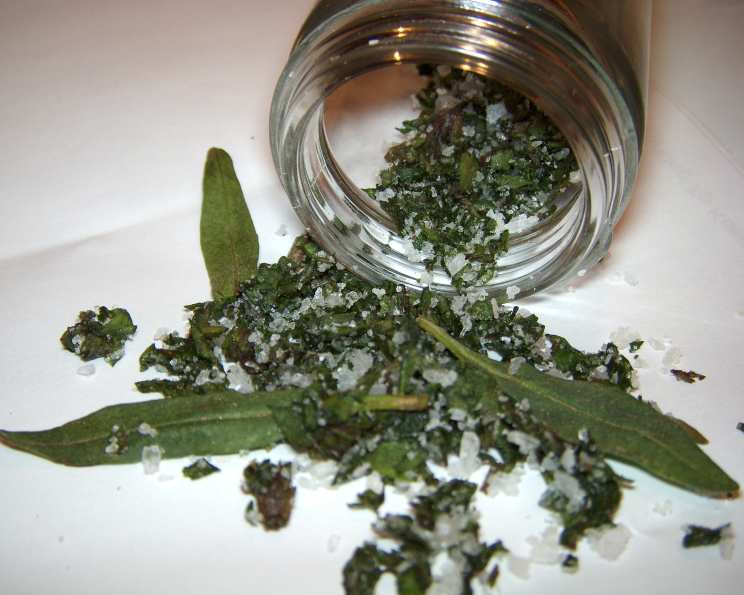
The Aromatic Alchemy of Rosemary Salt: A Chef’s Guide to Elevated Flavor
There are few aromas as grounding and evocative as freshly crushed rosemary. For me, it’s the scent of my grandmother’s kitchen, a comforting cloud that perpetually hung in the air on Sunday afternoons. It whispered of slow-cooked lamb, of rustic loaves of bread, and of her quiet, meticulous way of transforming the simplest ingredients into something truly magical. One of her secret weapons, a staple I’ve carried with me throughout my career, is a simple yet profoundly impactful rosemary salt. It’s more than just a seasoning; it’s an instant upgrade, a culinary shortcut to complexity that transforms everyday dishes into something extraordinary.
Recipe Overview
- Prep Time: 15 minutes
- Cook Time: 15 minutes
- Total Time: 30 minutes
- Servings: Varies (Yields a jar of seasoning)
- Yield: Approximately 3 ounces
- Dietary Type: Vegan, Gluten-Free, Dairy-Free
The Humble, Mighty Ingredients
The beauty of rosemary salt lies in its minimalist approach. It’s a testament to the power of two distinct, yet harmonious, elements.
- 3 ounces Kosher salt or Sea salt: I prefer using a flaky sea salt for its texture and clean salinity, but good quality kosher salt works beautifully. The 3-ounce measurement ensures a good balance of saltiness and herbal infusion.
- 1 bunch Fresh rosemary: The star of the show! You’ll want to use the leaves from a fresh bunch. The quantity here is generous, ensuring a vibrant green hue and a robust rosemary fragrance permeates the salt.
Essential Equipment
For this simple alchemical transformation, you won’t need much.
- Blender or Food Processor: To finely chop the rosemary and integrate it with the salt.
- Rimmed Baking Sheet: For drying the herbal salt.
- Covered Jars: For storing your finished creation.
The Art of Infusion: Crafting Your Rosemary Salt
Creating rosemary salt is less a recipe and more a gentle coaxing of flavors. It’s a process that celebrates the inherent qualities of its components.
- Prepare the Rosemary: Begin by stripping the fragrant leaves from the stems of your fresh rosemary. Discard the woody stems. You’ll want about 1 bunch’s worth of leaves.
- Combine and Whiz: In the bowl of your blender or food processor, combine the 3 ounces of kosher or sea salt with the fresh rosemary leaves. Secure the lid and whiz the mixture. Continue processing until the rosemary is finely chopped and the salt takes on a distinct, beautiful green hue. You’re aiming for a uniform consistency where the rosemary is integrated throughout the salt, not in large chunks.
- Spread and Bake: Spread the vibrant green salt mixture evenly onto a rimmed baking sheet. This step is crucial for drying out any residual moisture from the rosemary and preventing clumping.
- Low and Slow Drying: Place the baking sheet into a preheated oven set at a low temperature of 225°F (107°C). Bake for approximately 15 minutes. The goal here is to gently dry the salt, not to toast or cook it. Keep a close eye on it; you want it dry to the touch and free-flowing.
- Cool and Break: Once dry, remove the baking sheet from the oven. Allow the rosemary salt to cool completely. As it cools, you might notice it has formed small clumps. Simply break up these clumps with your hands. The dried salt should be wonderfully fragrant and ready for storage.
- Store with Care: Transfer your freshly made rosemary salt into covered jars. Store these jars in a cool, dark place to preserve its vibrant color and potent aroma.
Chef’s Insights: Elevating Your Herbal Salt Game
- The Salt Choice Matters: While both kosher and sea salt work, I find flaky sea salt lends a slightly more refined texture and a brighter salt flavor that complements the rosemary beautifully. If you use regular table salt, be mindful that it’s more potent, so you might need to adjust the quantity or use less in recipes.
- Herb Hydration: If your rosemary seems a bit dry or less fragrant, a quick rinse and thorough pat dry before stripping the leaves can help revive its aromatic oils.
- The ‘Green’ Factor: The intensity of the green color will depend on the freshness and variety of your rosemary. Don’t be alarmed if it’s a lighter green; the flavor will still be exceptional.
- Beyond Rosemary: This method is incredibly versatile! Feel free to experiment with other hardy herbs like thyme, oregano, or even a blend. Just ensure they are fresh and you’re using a similar quantity to the rosemary.
Serving Suggestions: A Sprinkle of Magic
Rosemary salt is not just a finishing touch; it’s a flavor enhancer that can be incorporated at various stages of cooking.
- Roast Perfection: Rub it generously into steaks, roasts, or whole chickens before cooking. The salt draws out moisture and seasons the meat from the inside out, while the rosemary infuses its piney notes.
- Focaccia’s Friend: Sprinkle it over focaccia dough before baking for an irresistible herbaceous crust.
- Patty Power: Mix a small amount into ground beef for deliciously seasoned patties that sing with herbaceous depth.
- Stew and Skewers: Add it to lamb stews, season lamb chops, or sprinkle over kabobs for an aromatic lift.
- Vegetable Whisperer: It’s also fantastic on roasted vegetables, especially potatoes, carrots, and root vegetables.
Storage Savvy
Proper storage is key to enjoying your homemade rosemary salt at its peak.
- Airtight is Key: Always store your rosemary salt in airtight containers. This prevents it from absorbing moisture from the air, which can lead to clumping.
- Darkness Prevails: Keep the jars out of direct light. Light can degrade the essential oils in the rosemary, diminishing its fragrance and flavor over time.
- Room Temperature Reign: For best results and flavor, store at room temperature. It does not require refrigeration.
- Longevity: Properly stored, your rosemary salt should maintain its excellent quality for several months, though the fragrance might begin to mellow after about 6 months.
Nutritional Snapshot
As a seasoning, the nutritional contribution of rosemary salt is primarily from the salt itself. The rosemary contributes trace amounts of vitamins and minerals.
| Nutrient | Amount per Serving (approx. 1 tsp) | % Daily Value |
|---|---|---|
| Calories | 0 | 0% |
| Total Fat | 0 g | 0% |
| Saturated Fat | 0 g | 0% |
| Cholesterol | 0 mg | 0% |
| Sodium | 1163 mg | 48% |
| Total Carbohydrate | 0 g | 0% |
| Dietary Fiber | 0 g | 0% |
| Sugars | 0 g | 0% |
| Protein | 0 g | 0% |
Note: Nutritional information is an estimate and will vary based on the specific type of salt used and the exact ratio of rosemary to salt.
Variations on a Theme
While the classic rosemary salt is a masterpiece of simplicity, feel free to explore its potential:
- Herbal Medley: Combine rosemary with other complementary dried herbs like thyme, sage, or oregano. A good starting point is a 2:1 ratio of rosemary to other herbs.
- Citrus Zest Kick: Add finely grated zest of lemon or orange along with the rosemary before blending. This adds a bright, zesty counterpoint. Ensure the zest is thoroughly dried before combining with the salt.
- Spicy Spark: For a touch of heat, blend in a pinch of red pepper flakes with the rosemary and salt.
Frequently Asked Questions
Q: Can I use dried rosemary instead of fresh?
A: While you can use dried rosemary, the flavor and aroma will be significantly less potent. If you do use dried, start with about a third of the amount as fresh, as dried herbs are much more concentrated. The color will also be less vibrant.
Q: How long does the rosemary salt last?
A: Properly stored in an airtight container in a cool, dark place, it can last for several months. The aroma might start to fade after about six months.
Q: My rosemary salt is clumping. What did I do wrong?
A: This usually happens if the mixture wasn’t dried sufficiently in the oven, or if it’s exposed to humidity. Ensure it’s completely dry after baking and stored in an airtight container.
Q: Can I make this with a salt substitute?
A: Salt substitutes typically have a different chemical composition and flavor profile, so the results may vary significantly. It’s best to stick with traditional salt for this recipe.
Q: Is this recipe truly vegan?
A: Yes, all the ingredients are plant-based, making this rosemary salt suitable for vegan diets.
A Final Flourish
There’s a profound satisfaction in creating something so simple, yet so impactful, in your own kitchen. This rosemary salt is a testament to that. It’s an invitation to elevate your everyday cooking, to infuse dishes with an aroma and flavor that speaks of care and culinary finesse. So, embrace the fragrant alchemy, experiment with its many uses, and share the delicious results with those you love. Happy seasoning!