
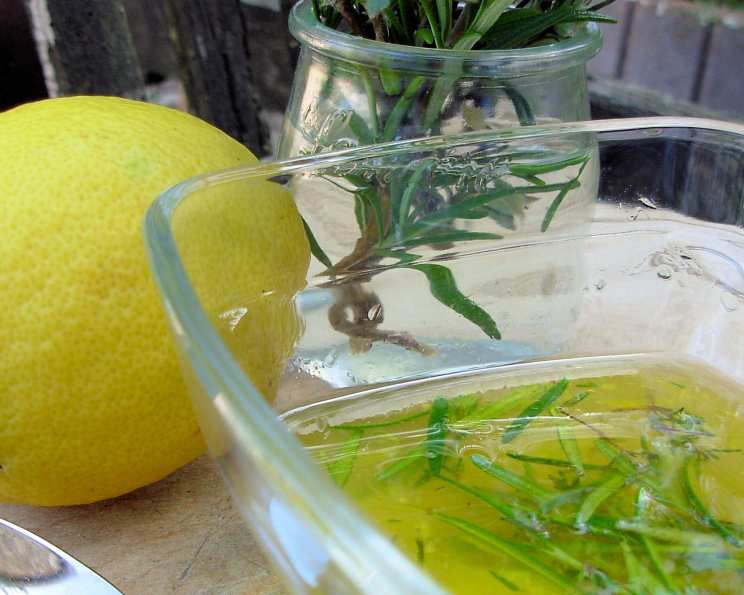
The Quintessential Rosemary-Thyme Marinade: A Chef’s Secret Weapon
As the festive whirlwind of the holidays finally subsides, I find myself craving simplicity and fresh flavors in my kitchen. My trusty George Foreman grill becomes my best friend, and I’m always on the hunt for versatile marinades that can elevate humble ingredients like chicken, fish, and even vegetables. This rosemary-thyme marinade is a discovery that has truly transformed my post-holiday cooking. Its bright, herbaceous notes and subtle tang are a welcome departure from heavier, richer fare, promising deliciousness with every application.
Recipe Overview
- Prep Time: 5 minutes
- Cook Time: N/A (Marinade Time varies)
- Total Time: Varies based on marinating
- Servings: 4-6
- Yield: Approximately 1 cup
- Dietary Type: Vegan, Gluten-Free, Dairy-Free
Ingredients
This marinade is a beautiful symphony of simple, potent flavors. Gather these fresh and pantry staples:
- 1/4 cup Olive Oil: Extra virgin olive oil is my preference for its robust flavor, but a good quality regular olive oil will also work beautifully.
- 1/4 cup Water: This helps to thin the marinade slightly, ensuring it coats ingredients evenly. For a richer, more calorie-dense marinade, feel free to substitute this with an additional 1/4 cup of olive oil.
- 1/4 cup Lemon Juice: Freshly squeezed lemon juice is non-negotiable here. Its bright acidity cuts through richness and tenderizes proteins, while imparting a wonderful zesty aroma.
- 2 Garlic Cloves, pressed: The pungent aroma and flavor of fresh garlic are essential. Pressing the cloves releases their oils and infuses the marinade more readily.
- 1 teaspoon Dried Thyme: Dried thyme offers a more concentrated flavor than fresh, making it ideal for marinades where it needs to hold its own.
- 1 teaspoon Dried Rosemary: Similar to thyme, dried rosemary provides a powerful, aromatic punch that complements the other ingredients.
- 1/2 teaspoon Lemon Zest: This is where the magic happens! Zest from about half a lemon adds an intense burst of citrus fragrance without the added liquid, making the marinade sing.
Equipment Needed
The beauty of this marinade lies in its simplicity, requiring minimal equipment:
- Small Bowl: For whisking together the ingredients.
- Whisk or Fork: To thoroughly combine all the components.
- Measuring Cups and Spoons: For accurate ingredient ratios.
- Citrus Zester or Fine Grater: To obtain the lemon zest.
- Garlic Press: For easily preparing the garlic cloves.
- Resealable Bag or Airtight Container: For marinating your chosen ingredients.
Instructions
The process is as straightforward as it gets, allowing you to focus on the delicious results.
- In a small bowl, combine the olive oil, water (or extra olive oil, if using), and lemon juice.
- Add the pressed garlic cloves, dried thyme, dried rosemary, and lemon zest to the bowl.
- Whisk all the ingredients together thoroughly until well combined and emulsified.
The Art of Marinating: Timing is Everything
The original recipe didn’t specify marinating times, but this is a crucial element for success. The duration will depend entirely on what you’re marinating:
- For Chicken: I would suggest marinating chicken for at least 2 hours, and preferably overnight. This allows the flavors to deeply penetrate the meat, tenderizing it and infusing it with the herbaceous, citrusy notes.
- For Fish: Fish, especially delicate fillets, cooks much faster and can begin to “cook” in acidic marinades. Therefore, 30 minutes should be sufficient for fish. Any longer, and the texture can become mushy.
- For Vegetables: The marinating time for vegetables varies by firmness. Firmer vegetables like bell peppers, onions, or zucchini can marinate for longer periods, even overnight, to absorb the flavors. Softer vegetables, such as thinly sliced zucchini or yellow squash, might be ready to cook after 20-30 minutes.
Expert Tips & Tricks
As a chef, I always look for ways to maximize flavor and efficiency. Here are a few insights for this rosemary-thyme marinade:
- Fresh Herbs: While dried herbs are specified and convenient, if you have fresh rosemary and thyme, feel free to substitute. Use about 1 tablespoon of finely chopped fresh rosemary and 1 tablespoon of finely chopped fresh thyme for every teaspoon of dried.
- Lemon Peel Hack: If you don’t have a zester, you can carefully peel a strip of lemon zest with a vegetable peeler, then finely mince it with a sharp knife.
- Marinating Bags: For marinating, I highly recommend using high-quality resealable bags. They ensure even contact with the marinade and make clean-up a breeze.
- Double Duty Zest: Zest your lemon before juicing it. This is a simple workflow that ensures you get every last bit of aromatic oil.
- Infused Oil Base: For an extra layer of flavor, you could infuse your olive oil with a sprig of fresh rosemary and thyme for a day or two before making the marinade. Strain it before using.
Serving & Storage Suggestions
This rosemary-thyme marinade is incredibly versatile, opening up a world of culinary possibilities.
- Serving: After marinating, grill, bake, or pan-sear your chosen ingredient. For grilled chicken or fish, a sprinkle of fresh chopped parsley before serving adds a touch of color and freshness. Roasted vegetables tossed with this marinade before hitting the oven will emerge beautifully caramelized and fragrant. This marinade is also fantastic as a dressing for a vibrant summer salad.
- Storage: Unused marinade can be stored in an airtight container or resealable bag in the refrigerator for up to 3 days. Crucially, once raw meat, poultry, or fish has been in the marinade, you cannot safely reuse it for other purposes unless you boil it vigorously for at least 5 minutes to kill any bacteria. It’s often best to reserve any leftover marinade for a second batch of the same raw ingredient.
Nutritional Information
Here’s an estimated nutritional breakdown for approximately 2 tablespoons of marinade. Please note that this is an estimation and will vary based on specific ingredient brands and exact measurements.
| Nutrient | Amount per Serving | % Daily Value |
|---|---|---|
| Calories | 127.4 | |
| Calories from Fat | 122 g | |
| Total Fat | 13.6 g | 20% |
| Saturated Fat | 1.9 g | 9% |
| Cholesterol | 0 mg | 0% |
| Sodium | 1.3 mg | 0% |
| Total Carbohydrate | 2.2 g | 0% |
| Dietary Fiber | 0.4 g | 1% |
| Sugars | 0.4 g | 1% |
| Protein | 0.2 g | 0% |
Variations & Substitutions
While this marinade is perfect as is, feel free to play with its components:
- Herbal Swap: If you’re not a fan of rosemary or thyme, consider substituting with other robust herbs like oregano, marjoram, or even a touch of dried sage.
- Citrus Twist: Lime juice can be used instead of lemon juice for a slightly different tang.
- A Touch of Heat: For a subtle kick, add a pinch of red pepper flakes to the marinade.
- Garlic Lover’s Dream: If you’re a serious garlic aficionado, feel free to add another clove or two.
FAQs
Q: Can I use fresh herbs instead of dried herbs in this marinade?
A: Absolutely! If using fresh herbs, you’ll want to use a larger quantity, roughly three times the amount of dried herbs. For this recipe, use about 1 tablespoon each of finely chopped fresh rosemary and fresh thyme.
Q: How long can I marinate chicken or fish?
A: Chicken can be marinated for at least 2 hours, preferably overnight, for optimal flavor. Fish, being more delicate, should only be marinated for about 30 minutes to avoid a mushy texture.
Q: Is this marinade suitable for vegetables?
A: Yes, this marinade is excellent for vegetables. Firmer vegetables can be marinated for several hours or overnight, while softer vegetables should only be marinated for 20-30 minutes.
Q: What’s the best way to store leftover marinade?
A: Store any unused marinade in an airtight container or resealable bag in the refrigerator for up to 3 days. However, remember to never reuse marinade that has been in contact with raw meat, poultry, or fish unless it is boiled vigorously for at least 5 minutes.
Q: Can I make this marinade ahead of time?
A: Yes, this marinade can be made a day or two in advance and stored in the refrigerator. This makes it even easier to whip up a delicious meal when you’re short on time.
Final Thoughts
This rosemary-thyme marinade is more than just a flavor enhancer; it’s a testament to the power of simple, quality ingredients. It’s the kind of recipe that becomes a staple in your repertoire, the one you reach for when you want to impress without a lot of fuss. Whether you’re firing up the grill for a weeknight dinner or preparing a special meal, allow this aromatic blend to transform your ingredients into something truly memorable. I encourage you to give it a try, experiment with what you marinate, and savor the bright, clean flavors it imparts. Happy cooking!