
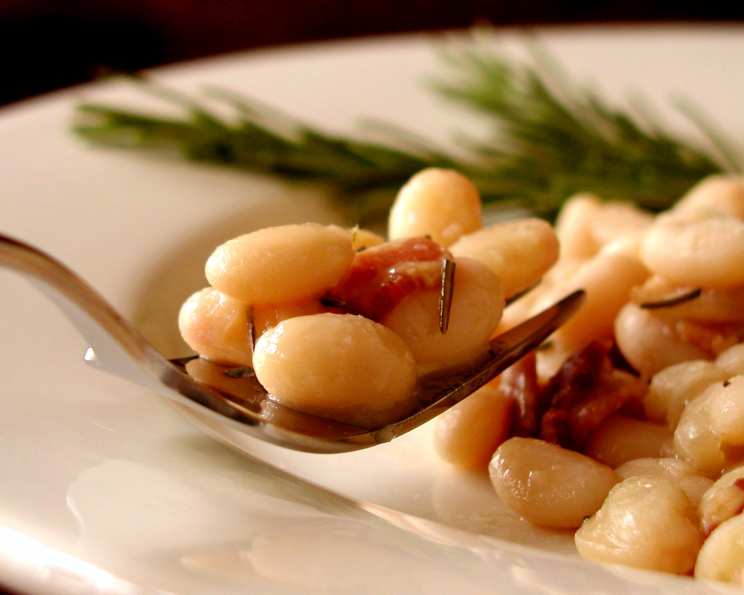
The Humble Elegance of Rosemary White Beans
There are dishes that transport you, and then there are dishes that simply are. This rosemary white bean recipe, a gem I discovered in Tom Douglas’s masterful collection, falls into the latter category. It’s a testament to how the simplest of ingredients, treated with a little care and a lot of heart, can blossom into something truly profound. I remember the first time I made it, a blustery evening where the aroma of simmering beans, pungent rosemary, and savory bacon filled my kitchen, chasing away the chill and any lingering doubts about the power of a humble legume. It’s a dish that speaks of comfort, of tradition, and of the quiet joy found in a perfectly executed, unpretentious meal. It’s the kind of food that makes you pause, savor, and appreciate the sheer wonder of what a few pantry staples can become.
Recipe Overview
- Prep Time: 15 minutes (plus overnight soaking)
- Cook Time: 1 hour 30 minutes
- Total Time: 1 hour 45 minutes (plus overnight soaking)
- Servings: 8
- Yield: Approx. 6 cups
- Dietary Type: Gluten-Free
Ingredients
For this soul-warming dish, you’ll need to gather these essential components:
- 2 cups dried white beans
- 3/4 cup diced bacon
- 1 cup chopped onion
- 1 teaspoon minced garlic
- 4 cups chicken stock
- 4 cups water
- 2 tablespoons chopped fresh rosemary
- 2 tablespoons unsalted butter
- Kosher salt, to taste
- Fresh ground pepper, to taste
Equipment Needed
While this recipe is wonderfully straightforward, a few key tools will ensure success:
- A large pot or Dutch oven
- A measuring cup and spoons
- A knife and cutting board
- A stirring spoon or spatula
The Art of Preparation: Step-by-Step
This recipe is a gentle unfolding, a slow simmer that coaxes out the best from its simple components. Follow these steps meticulously, and you’ll be rewarded with a dish of remarkable depth and character.
-
The Overnight Soak: Begin by placing the dried white beans in a large bowl. Cover them generously with cold water, ensuring they have plenty of room to expand. It’s crucial to use a substantial amount of water, as the beans will nearly double in size overnight. Refrigerate them for at least 8 hours, or preferably, overnight. This process rehydrates the beans, ensuring they cook evenly and become tender.
-
Rendering the Bacon: The next day, drain and rinse the soaked beans. In a large pot or Dutch oven, introduce the diced bacon. Place the pot over medium heat and cook, stirring occasionally, until the bacon has rendered its fat and achieved a delightful crispness. This typically takes about 8 to 10 minutes. Once crisp, use a slotted spoon to remove the bacon bits from the pot, setting them aside. Leave the rendered bacon fat in the pot – it’s a flavor powerhouse!
-
Building the Aromatics: To the same pot with the bacon fat, add the chopped onion. Cook, stirring frequently, over medium heat until the onions have softened and become translucent. This process should take another 8 to 10 minutes. Be patient; this step builds a crucial layer of sweetness and depth.
-
Infusing with Garlic: Now, stir in the minced garlic. Cook for just about 1 minute more, until fragrant. Be careful not to let the garlic brown, as it can turn bitter.
-
Creating the Liquid Base: Pour in the chicken stock and the water. Bring this liquid mixture to a simmer over medium heat.
-
Introducing the Beans: Drain the soaked beans thoroughly and add them to the simmering liquid in the pot. Ensure the beans are submerged.
-
The Gentle Simmer: Reduce the heat to medium-low, cover the pot, and allow the beans to cook until they are tender. This will take approximately 1 1/2 hours. The goal is for the beans to be soft and yielding, but not mushy.
-
Achieving the Perfect Consistency: As the beans cook, the liquid will reduce. The ideal state is a consistency where there is just enough frothy liquid to coat the beans. If, by chance, you find there’s too much liquid remaining, turn up the heat slightly and let it simmer uncovered for a few minutes to reduce it to the desired consistency.
-
Finishing Touches: Once the beans have reached their perfect tenderness and the liquid is just right, stir in the chopped fresh rosemary and the unsalted butter. The rosemary will release its pungent, piney aroma, and the butter will add a touch of richness and silkiness to the beans.
-
Seasoning to Perfection: Finally, it’s time to season. Taste the beans and add kosher salt and fresh ground pepper as needed. Remember that the bacon will have already imparted some saltiness, so season judiciously and taste as you go.
Expert Tips & Tricks
- Bean Selection: While the recipe calls for white beans, feel free to experiment with different varieties like cannellini, Great Northern, or even navy beans. Each will offer a slightly different texture and flavor profile.
- Bacon Quality: Using a good quality, thick-cut bacon will yield more rendered fat and a more pronounced smoky flavor. If you prefer a vegetarian version, simply omit the bacon and sauté the onions in a tablespoon or two of olive oil.
- Herbal Nuances: Fresh rosemary is key here, but if it’s unavailable, you can use dried rosemary, about 2 teaspoons, added earlier in the cooking process with the liquids to allow its flavor to fully infuse.
- Stock Smarts: For an even richer flavor, you can use homemade chicken stock. If you’re making this vegetarian, vegetable stock is an excellent alternative.
- The Power of Patience: Don’t rush the simmering process. Slow cooking allows the beans to absorb the flavors of the broth and become wonderfully tender.
Serving & Storage Suggestions
These Rosemary White Beans are incredibly versatile. Serve them warm as a comforting side dish alongside roasted meats, grilled fish, or poultry. They also make a delightful vegetarian main course when paired with crusty bread for dipping. For a heartier meal, consider spooning them over polenta or serving them with a dollop of crème fraîche or a sprinkle of grated Parmesan cheese.
Leftovers can be stored in an airtight container in the refrigerator for up to 3 to 4 days. To reheat, gently warm them on the stovetop over low heat, adding a splash of water or stock if they seem a little dry. You can also reheat them in the microwave.
Nutritional Information
Here’s an estimated breakdown of the nutritional content per serving:
| Nutrient | Amount per Serving | % Daily Value |
|---|---|---|
| Calories | 307.7 kcal | |
| Calories from Fat | ||
| Total Fat | 10.9 g | 16% |
| Saturated Fat | 4.4 g | 21% |
| Cholesterol | 20.4 mg | 6% |
| Sodium | 297.1 mg | 12% |
| Total Carbohydrate | 36.8 g | 12% |
| Dietary Fiber | 8.1 g | 32% |
| Sugars | 3.8 g | 15% |
| Protein | 16.7 g | 33% |
Note: Nutritional information is an estimate and can vary based on specific ingredients and portion sizes used.
Variations & Substitutions
While this recipe shines in its simplicity, there’s always room for a touch of personalization.
- Herbal Infusion: Besides rosemary, consider adding a sprig of thyme or a bay leaf to the pot while the beans are simmering for an extra layer of herbaceous complexity.
- Spicy Kick: For those who enjoy a little heat, a pinch of red pepper flakes added with the garlic can add a subtle warmth.
- Creamy Finish: A swirl of heavy cream or a plant-based alternative, stirred in at the very end, can make these beans even more decadent.
- Lemon Zest: A bit of fresh lemon zest added just before serving can brighten the flavors beautifully.
FAQs
Q: Can I use canned white beans instead of dried?
A: While dried beans offer superior texture and flavor, you can use canned beans. Drain and rinse two 15-ounce cans of white beans and add them during the last 15 minutes of cooking, after the initial bean simmering.
Q: What is the best way to soak dried beans?
A: The overnight refrigerator soak is generally preferred for its convenience and safety, preventing bacterial growth. An alternative is the quick soak method: cover beans with water, bring to a boil for 1 minute, then let stand for 1 hour before draining and rinsing.
Q: Why are my beans taking longer than 1 1/2 hours to cook?
A: The cooking time for dried beans can vary depending on their age and variety. Older beans may take longer to soften. Ensure they are consistently simmering, not boiling, and continue cooking until tender.
Q: Can I make this dish vegetarian or vegan?
A: Yes! For a vegetarian version, omit the bacon and sauté the onions in olive oil. For a vegan dish, omit the bacon and butter, and use olive oil for sautéing the onions and a touch of vegan butter or simply rely on the richness of the olive oil. Use vegetable stock instead of chicken stock.
Q: How can I make the beans creamier?
A: To achieve a creamier texture, you can mash a portion of the cooked beans against the side of the pot with your spoon, or carefully remove about a cup of beans, mash them with a fork, and stir them back into the pot.
A Humble Ode
This dish is more than just a recipe; it’s an invitation to slow down, to appreciate the foundational elements of good cooking. It’s a reminder that culinary magic doesn’t always require exotic ingredients or complicated techniques. It’s the soul-satisfying comfort of perfectly cooked beans, infused with the aromatic essence of rosemary and the subtle savory notes of bacon. I hope you’ll find as much joy in making and sharing these Rosemary White Beans as I have. They’re a testament to the enduring power of simple, honest food to nourish both the body and the spirit. Enjoy!