
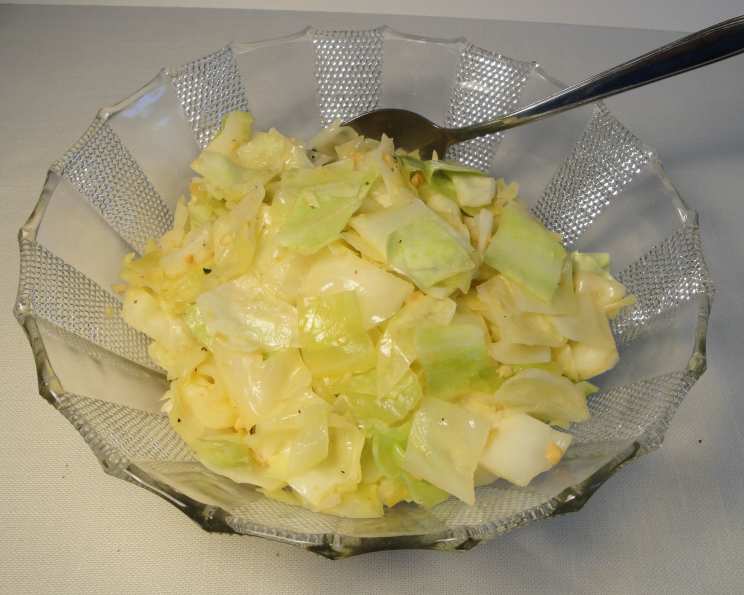
Rosy Garlic Sautéed Cabbage: A Humble Vegetable Elevated
I remember the first time I truly appreciated cabbage. It wasn’t in a fancy restaurant, but in my grandmother’s bustling kitchen, a place perpetually filled with the comforting aroma of simmering stews and freshly baked bread. She’d be chopping mountains of vegetables, her hands moving with a practiced grace. This Rosy Garlic Sautéed Cabbage was one of her simplest, yet most profound, creations. The way the humble cabbage transformed under the heat, infused with the pungent sweetness of slow-cooked garlic, always mesmerized me. It was a testament to how a few well-chosen ingredients and a touch of patient cooking could turn the ordinary into something truly extraordinary.
Recipe Overview
- Prep Time: 15 minutes
- Cook Time: 25 minutes
- Total Time: 40 minutes
- Servings: 4
- Yield: 4 servings
- Dietary Type: Vegan, Dairy-Free, Gluten-Free (when using vegetable broth)
Ingredients
- 2 teaspoons canola oil
- 12 garlic cloves, you may leave whole or chop coarsely
- 1/2 cup chicken broth, plus 2 tablespoons (or 1/2 cup vegetable broth, plus 2 tablespoons)
- 1 head green cabbage, chopped (about 1 to 1 1/2 pounds)
- 1/4 teaspoon paprika
- Fresh ground pepper to taste
Equipment Needed
- A large nonstick skillet
- A serving bowl
Instructions
- Begin by preparing your aromatics. In a large nonstick skillet, heat the canola oil over medium heat. This gentle heat is crucial for coaxing out the best flavor from the garlic without burning it.
- Once the oil is shimmering, add the garlic cloves. Sauté the garlic for approximately 3 minutes, stirring constantly. The goal here is to gently soften the garlic and infuse the oil with its fragrant essence. If you’re leaving the cloves whole, this step allows them to become tender and sweet. If you’ve opted for coarsely chopped, you’ll get an even more intense garlic punch.
- After the initial sauté, pour in 1/2 cup of chicken broth (or vegetable broth). Stir well to incorporate any browned bits from the bottom of the pan, which are packed with flavor.
- Cover the skillet and cook for 15 minutes. This steaming period is vital for tenderizing the garlic further and creating a flavorful base.
- Next, remove the cover from the skillet. Continue to cook until all the liquid has evaporated. This step requires your attention; stir constantly as the last few tablespoons of liquid evaporate. This process concentrates the garlic flavor and creates a wonderfully glossy, almost caramelized garlic essence in the pan. Don’t rush this; it’s where much of the magic happens.
- Now, it’s time to introduce the star of the show: the cabbage. Stir in the chopped green cabbage. Ensure it’s evenly distributed in the skillet with the flavorful garlic mixture.
- Sprinkle the cabbage with the remaining 2 tablespoons of chicken broth (or vegetable broth). This little bit of extra liquid will help the cabbage begin to wilt and steam.
- Add the paprika and fresh ground pepper to taste. The paprika will lend a subtle warmth and a beautiful rosy hue, hence the name of this dish.
- Cook for 3 to 5 minutes, or longer, until the cabbage is wilted or to your liking, stirring constantly. The cooking time will depend on your preference for tenderness. If you enjoy a crisper cabbage, stick to the shorter end of the range. For a softer, more yielding texture, cook it a bit longer. Constant stirring ensures even cooking and prevents any sticking as the cabbage wilts.
- Once the cabbage has reached your desired consistency, move it to a serving bowl.
- Serve immediately while it’s piping hot and fragrant.
Expert Tips & Tricks
The beauty of this dish lies in its simplicity, but a few chef-driven nuances can elevate it further. When selecting your cabbage, a firm, heavy head of green cabbage will yield the best results. The outer leaves should be vibrant and unblemished. Don’t shy away from the full dozen garlic cloves – their pungency mellows beautifully during the cooking process, transforming into a sweet, almost creamy aromatic. If you find your garlic is browning too quickly in step 2, reduce the heat slightly to medium-low. The goal is to soften and sweeten, not to char. For an even richer flavor, consider using rendered bacon fat instead of canola oil, though this would obviously change the dietary classification.
Serving & Storage Suggestions
Rosy Garlic Sautéed Cabbage is wonderfully versatile. It’s an exceptional side dish that pairs beautifully with a wide array of proteins – roasted chicken, pan-seared pork chops, grilled fish, or even a hearty lentil loaf for a vegetarian option. The slight sweetness from the cooked garlic and the hint of paprika make it a comforting accompaniment. For a truly vibrant presentation, garnish with a sprinkle of fresh parsley or a pinch of red pepper flakes for an added visual and flavorful pop.
As for storage, this dish is best enjoyed fresh. However, if you find yourself with leftovers, they can be stored in an airtight container in the refrigerator for up to 3 days. To reheat, gently warm the cabbage in a skillet over low to medium heat, adding a tablespoon of water or broth if it seems a bit dry. Avoid microwaving if possible, as it can sometimes lead to a less appealing texture.
Nutritional Information
Here’s an approximate breakdown of the nutritional content per serving:
| Nutrient | Amount per Serving | % Daily Value |
|---|---|---|
| Calories | 96.5 kcal | |
| Calories from Fat | 24 g | |
| Total Fat | 2.8 g | 4% |
| Saturated Fat | 0.3 g | 1% |
| Cholesterol | 0 mg | 0% |
| Sodium | 158.2 mg | 6% |
| Total Carbohydrate | 16.4 g | 5% |
| Dietary Fiber | 5.9 g | 23% |
| Sugars | 7.5 g | 29% |
| Protein | 4.3 g | 8% |
Note: Nutritional values are estimates and can vary based on specific ingredients used, especially the type of broth.
Variations & Substitutions
While this recipe is fantastic as is, feel free to explore some delicious variations. For a touch of heat, add a pinch of red pepper flakes along with the paprika. If you’re a fan of umami, a splash of soy sauce or tamari (for gluten-free) can be introduced towards the end of the cooking process. For a more robust flavor profile, consider adding a tablespoon of butter right at the very end, just before serving, to melt into the cabbage for an extra layer of richness (this would make it non-vegan and non-dairy-free). If you’re looking for a slightly different texture, savoy cabbage or Napa cabbage can be used, though cooking times might vary slightly.
FAQs (Frequently Asked Questions)
Q: Why is it called “Rosy” Garlic Sautéed Cabbage?
A: The name comes from the subtle, warm, rosy hue that the paprika imparts to the dish as it cooks with the cabbage.
Q: Can I use pre-minced garlic from a jar?
A: While you can, fresh garlic will provide a superior flavor. Jarred garlic can sometimes have a slightly metallic or less vibrant taste.
Q: My cabbage still seems tough after 5 minutes. What should I do?
A: Don’t hesitate to cook it longer! The key is stirring constantly and checking for your desired tenderness. If it seems too dry, add another tablespoon of broth.
Q: Is this dish suitable for meal prep?
A: Yes, it’s quite good as leftovers, though it’s best to reheat gently to maintain texture. It holds up well in the refrigerator for a few days.
Q: Can I add other vegetables to this recipe?
A: Absolutely! Sliced onions or thinly sliced carrots can be added and sautéed with the garlic for a more complex vegetable medley.
Final Thoughts
This Rosy Garlic Sautéed Cabbage is a humble yet incredibly satisfying dish that proves the power of simple ingredients treated with care. It’s a testament to my grandmother’s philosophy that good food doesn’t need to be complicated. I encourage you to try this recipe, to embrace the fragrant aroma of garlic filling your kitchen, and to savor the tender, flavorful cabbage. It’s a dish that brings comfort, warmth, and a touch of everyday magic to your table. Serve it alongside your favorite roasted meats or enjoy it as a flavorful vegetarian main, and discover the understated brilliance of cabbage.