
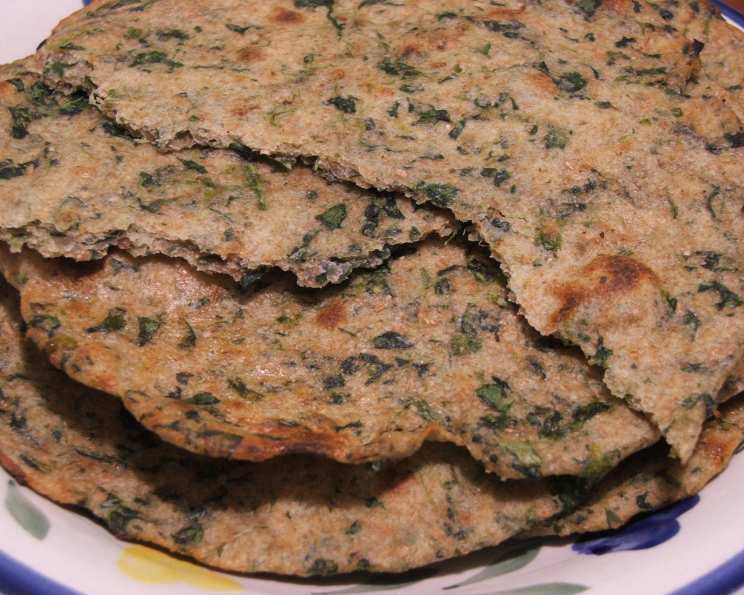
Roti 2000: Nourishing Baked Vegetable Bread
There’s a particular aroma that wafts from the oven when a batch of Roti 2000 is baking – a warm, earthy scent mingled with the subtle sweetness of cooked vegetables. It’s a fragrance that instantly transports me back to bustling community kitchens, where hands worked in unison, shaping dough and sharing stories. This bread, born from a desire for wholesome, nutrient-rich sustenance, has always felt like a hug in edible form, a testament to the power of simple ingredients transformed by care and a touch of heat.
Recipe Overview
- Prep Time: 1 hour 30 minutes (including dough resting)
- Cook Time: 1–2 minutes per Roti
- Total Time: Approximately 1 hour 30 minutes to 2 hours
- Servings: 15 pieces
- Yield: 15 pieces
- Dietary Type: Vegan (depending on yogurt substitution)
Ingredients
- 1 cup chopped vegetables, such as onion, spinach, carrots, scallions
- 1 cup plain yogurt
- 2 cups whole wheat flour (+ ½ cup for dusting)
- ½ cup soy flour
- ½ cup gram flour (besan)
- ¼ cup wheat germ
- ¼ cup oat bran
- ½ teaspoon salt
Equipment Needed
- Blender
- Large mixing bowl
- Kitchen towel
- Rolling pin
- Flat surface for rolling
- Baking sheet(s)
- Oven (preferably with a broiler function)
- Aluminum foil (optional, for storing)
Instructions
The magic of Roti 2000 lies in its simplicity and the way it harnesses the goodness of vegetables and whole grains. It’s a bread that nourishes not just the body but also the spirit.
-
Begin by preparing the vegetable and yogurt base. In a blender, combine the 1 cup of chopped vegetables with the 1 cup of plain yogurt. Puree these ingredients until they are completely smooth and well combined, creating a vibrant, flavorful liquid.
-
In a large mixing bowl, combine the dry ingredients: 2 cups of whole wheat flour, ½ cup of soy flour, ½ cup of gram flour (besan), ¼ cup of wheat germ, ¼ cup of oat bran, and ½ teaspoon of salt. Whisk these together briefly to ensure they are evenly distributed.
-
Pour the pureed vegetable and yogurt mixture into the bowl with the dry ingredients. Begin to mix everything together. As you combine, you may find that the dough needs a little more moisture to come together. Gradually add water, a tablespoon at a time, as needed, until the dough forms a cohesive ball.
-
Once the dough has formed, knead it on a lightly floured surface for about 5–7 minutes. The goal is to develop a smooth and supple dough. It should be pliable and elastic, not sticky or overly dry.
-
Place the kneaded dough back into the mixing bowl. Cover the bowl with a kitchen towel. Allow the dough to rest in a warm place for at least 1 hour. This resting period is crucial for gluten development, which will make the roti tender and easier to roll.
-
After the initial rest, refrigerate the dough for a couple of hours, or even overnight, before using. This chilling period further firms up the dough, making it even easier to handle and roll thinly without tearing.
-
When you are ready to bake, preheat your oven. Place a cookie sheet on the top or middle shelf of your oven and preheat it under the broil setting. Alternatively, you can preheat the oven to 500°F (260°C). Ensure the oven and baking sheet are thoroughly hot before you begin baking.
-
Remove the chilled dough from the refrigerator. Divide the dough into approximately 12 equal pieces. Roll each piece between your palms to form smooth balls. Use a little of the reserved ½ cup of flour for dusting as needed to prevent sticking. Flatten these balls into small, round patties, about 2 inches in diameter.
-
Once all the patties are made, cover them with a towel to prevent them from drying out while you prepare to roll them.
-
Lightly dust a flat surface with a little flour. Take one dough patty at a time and roll it out into a round shape, approximately 5 to 6 inches across. Aim for a thickness of about 1/8 inch.
-
Important Note: As you roll the rotis, begin baking them. It’s most effective to roll about 5 to 6 rotis and then start baking the first batch. With practice, you will find your rhythm and be able to roll the next batch of rotis while the previous one is cooking.
-
Carefully slide 4 to 6 rotis onto the hot baking sheet in the pre-heated oven.
-
It is vital to maintain a hot oven for these rotis to puff up and become crisp. If your oven tends to turn off its heat element during broiling, open the oven door a little to keep the heat on.
-
Bake the rotis for 1 to 2 minutes, or until light brown specks appear on the top. At this point, carefully turn each Roti to bake the other side. The roti should become fluffy and crisp with light brown patches on both sides.
-
Crucially, do not over-brown the rotis. Over-browning will make the Roti hard. The goal is a tender interior with crispy edges and delightful brown spots.
-
Continue to bake all the rotis in this manner, working in batches.
-
If desired, spread a little butter on one side of each freshly baked Roti.
-
Stack the finished rotis and wrap them in aluminum foil to keep them warm and soft. This also helps them retain their pliability.
-
Serve warm.
Expert Tips & Tricks
- Vegetable Variety: Don’t be afraid to experiment with different vegetables. Cooked sweet potato puree, finely grated zucchini, or even a touch of finely chopped cilantro can add unique flavors and colors. Ensure any added moisture from vegetables is well-drained to avoid a sticky dough.
- Dough Consistency is Key: The texture of the dough is paramount. If it’s too wet, it will be difficult to handle. If it’s too dry, the rotis will be tough. Adjust with flour or water in very small increments until you achieve that perfect smooth and supple consistency.
- The Chill Factor: Refrigerating the dough is a game-changer for ease of rolling. It firms up the fats and gluten, making the dough less prone to tearing and easier to get paper-thin.
- Hot Oven, Fast Bake: The high heat and quick cooking time are essential for the characteristic puffing of unleavened breads. A hot baking sheet ensures instant heat transfer, helping the roti cook evenly and quickly.
- Broiler Power: The broiler is your friend here, mimicking the intense heat of a tandoor or a very hot skillet. Keep a close eye on them as they cook very rapidly.
- Keeping Them Soft: The foil wrap is a simple but effective trick for retaining moisture and heat. This ensures that even the rotis baked last are as soft and enjoyable as the first.
Serving & Storage Suggestions
Roti 2000 is incredibly versatile and shines when served warm. Its subtle vegetable notes make it a perfect accompaniment to a wide range of dishes. Serve it alongside lentil curries (dal), vegetable stir-fries, yogurt-based raitas, or even as a standalone snack. The slightly crisp texture and soft interior are best enjoyed fresh from the oven.
For storage, once cooled slightly, stack the rotis and wrap them tightly in aluminum foil or place them in an airtight container. They will keep at room temperature for up to a day. For longer storage, refrigerate them in an airtight container for up to 3-4 days. To reheat, you can gently warm them in a dry skillet over low heat, in a toaster oven, or briefly in a regular oven (preheated to 300°F/150°C) wrapped in foil. They can also be frozen for up to 2 months; thaw in the refrigerator and then reheat as desired.
Nutritional Information
This table provides an approximate nutritional breakdown per Roti. The actual values will vary based on the specific vegetables and flour brands used.
| Nutrient | Amount per Serving | % Daily Value |
|---|---|---|
| Calories | 99.3 kcal | – |
| Calories from Fat | N/A | – |
| Total Fat | 1.9 g | 3% |
| Saturated Fat | 0.6 g | 2% |
| Cholesterol | 2.1 mg | 0% |
| Sodium | 88.4 mg | 3% |
| Total Carbohydrate | 17 g | 5% |
| Dietary Fiber | 2.8 g | 11% |
| Sugars | 1.2 g | 4% |
| Protein | 5.2 g | 10% |
(Nutritional values are estimates and may vary.)
Variations & Substitutions
- Gluten-Free: While whole wheat flour provides excellent flavor and texture, you could experiment with a gluten-free flour blend, adjusting liquid as needed. Be aware that the texture might change.
- Yogurt Alternatives: For a vegan version, substitute the plain yogurt with a thick, unsweetened plant-based yogurt, such as soy or cashew yogurt. Ensure it’s not too watery.
- Spice It Up: Add a pinch of cumin, coriander, or a small amount of finely minced green chili to the dough for an extra layer of flavor.
- Herbaceous Notes: Incorporate finely chopped fresh herbs like cilantro or mint into the vegetable puree for a burst of freshness.
FAQs
Q: Why do my Rotis not puff up?
A: Insufficient heat in the oven, rolling the rotis too thick, or holes in the dough can prevent puffing. Ensure your oven is fully preheated to 500°F (260°C) and bake on a very hot surface.
Q: My dough is too sticky, what should I do?
A: Add a little more whole wheat flour, a tablespoon at a time, while kneading until it reaches a smooth, supple consistency that doesn’t stick to your hands.
Q: Can I use all-purpose flour instead of whole wheat?
A: While you can, whole wheat flour contributes significantly to the nutritional value and rustic texture of this bread. All-purpose flour will yield a different result.
Q: How can I make the vegetable puree smoother?
A: If your blender struggles, you can blanch the harder vegetables (like carrots) briefly before pureeing. Straining the puree to remove excess liquid can also help.
Q: Is it necessary to rest and refrigerate the dough?
A: Yes, resting allows the gluten to relax, making the dough easier to roll. Refrigeration further firms the dough, preventing it from becoming sticky and ensuring thin, even rotis.
Final Thoughts
Roti 2000 is more than just a recipe; it’s an invitation to embrace wholesome cooking and the joy of sharing nutritious food. The process itself is meditative, a gentle reminder of the connection between simple ingredients, mindful preparation, and the delicious rewards that follow. I encourage you to gather your favorite vegetables, roll up your sleeves, and create this nourishing bread. It pairs beautifully with a hearty lentil dal or a vibrant vegetable curry, making any meal a truly satisfying experience. I’d love to hear about your vegetable combinations and how you enjoyed your Roti 2000!