
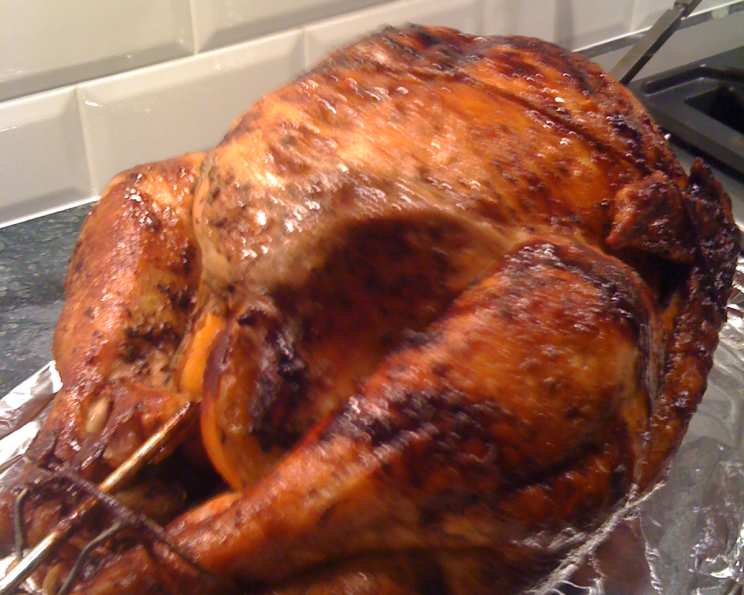
The Majestic Rotisserie Turkey: A Chef’s Guide to Perfect, Crispy, Juicy Perfection
The aroma of a rotisserie turkey, a symphony of savory herbs and slowly browning skin, takes me back to crisp autumn evenings and gatherings filled with laughter and warmth. I remember one particular Thanksgiving, years ago, when a sudden power outage threatened to derail our feast. With a flicker of inspiration and a well-maintained gas grill equipped with a rotisserie, we moved the entire operation outdoors. The rhythmic turning of the turkey over the gentle heat, the occasional smoky whisper rising from the grill – it was magical. The resulting bird, with its impossibly crisp skin and meltingly tender meat, was arguably the best I’d ever produced, a testament to the transformative power of indirect rotisserie cooking. This method, when executed correctly, yields a turkey that is both visually stunning and exceptionally delicious, a true showstopper for any occasion.
Recipe Overview
- Prep Time: 30 minutes
- Cook Time: 2-4 hours (depending on turkey size)
- Total Time: 2 hours 30 minutes – 4 hours 30 minutes (plus optional overnight seasoning)
- Servings: 12
- Yield: 1 whole turkey
- Dietary Type: Gluten-Free, Dairy-Free
Ingredients
For the Turkey and Seasoning:
- 1 12-14 lb whole turkey, rinsed and thoroughly towel-dried
- 2 teaspoons black pepper
- 2 tablespoons dried parsley
- 2 tablespoons dried rosemary
- 2 teaspoons salt
- 4 garlic cloves, minced
- 1 teaspoon sage
- 1 teaspoon paprika
For the Turkey Stuffing:
- 1 medium onion, cut into 8 equal parts
- 1 apple, cored and cut into 8 thick slices
For the Pan Liquids:
- 2 cups beer (or water, or juice)
Equipment Needed
- Rotisserie unit (grill attachment)
- Gas grill (or charcoal grill set up for indirect heat)
- Rotisserie spit and prong set
- Drip pan (larger than the turkey)
- Kitchen twine
- Meat thermometer
- Oven mitts
- Foil
Instructions
- Prepare the Turkey: Begin by ensuring your whole turkey is thoroughly rinsed and towel-dried. This step is crucial for achieving that desirable crispy skin.
- Create the Seasoning Blend: In a small bowl, combine the black pepper, dried parsley, dried rosemary, salt, minced garlic cloves, sage, and paprika. Mix these ingredients well.
- Season the Turkey: Generously rub this aromatic seasoning blend all over the inside cavity and the exterior surface of the dried turkey. For an even deeper flavor penetration, you can do this the night before and refrigerate the turkey, uncovered, in the refrigerator.
- Stuff the Turkey: Carefully stuff the cavity of the turkey with the cut onion and sliced apple. These aromatics will infuse the turkey with subtle sweet and savory notes as it cooks.
- Secure the Turkey to the Spit: Slide one pair of rotisserie prongs onto the spit. Then, carefully push the spit and the attached prongs into the turkey. Ensure the prongs pierce the thickest parts of the turkey meat for maximum security. Next, slide the other set of prongs onto the opposite side of the spit and insert them firmly into the turkey.
- Tighten and Truss: Tighten the wing nuts on the prongs to ensure the turkey is held firmly in place on the spit, preventing any slippage during rotation. Now, it’s time to truss the turkey. Tie the ends of the legs together securely with kitchen twine. Then, tie a piece of string snugly around the meaty part of the legs to keep them close to the body. Finally, tie a string around the wings and breast section of the bird to prevent them from flopping outwards as the rotisserie rotates, which can lead to uneven cooking and potential burning.
- Preheat the Grill: Preheat your grill by setting all burners on high for a few minutes. The goal is to create a hot environment to begin the cooking process.
- Set Up the Rotisserie: Attach the spit to the brackets of your rotisserie assembly. One end of the spit should slide into the motor unit.
- Start the Motor and Balance Check: Turn on the motor and observe the rotation of the turkey. It’s essential to ensure the spit is balanced. An unbalanced bird will not turn smoothly, and this can strain or even burn out the motor. If you notice any wobbling or resistance, adjust the turkey’s position on the spit or the prongs until it rotates evenly.
- Position the Drip Pan: Place a drip pan directly under the turkey. Ensure the drip pan is a size larger than the turkey itself. This is vital to catch the drippings and prevent flare-ups.
- Add Pan Liquids: Carefully pour the beer (or your chosen liquid) into the drip pan. This will add moisture to the grilling environment and contribute to the flavor of any drippings.
- Begin Rotisserie Cooking: Lower the lid of the grill. The lid should remain closed as much as possible to maintain an even roasting temperature. Occasionally, quickly check that the turkey is still rotating properly. If it has stopped or appears obstructed, adjust as needed.
- Cooking Time: The general guideline for rotisserie turkey is approximately 10 to 15 minutes of cooking time per pound. This means a 14-pound turkey could require anywhere from 2 to 4 hours on the rotisserie.
- Check for Doneness: DO NOT rely solely on time estimates to determine if your turkey is cooked through. The most accurate method is to use a meat thermometer.
- Internal Temperature Targets: For the turkey to be safely cooked and optimally tender, the internal temperature of the breast meat must reach a minimum of 170°F. The thigh meat must reach a minimum of 180°F. Insert the thermometer into the thickest part of the thigh, avoiding bone.
- Resting the Turkey: Once your turkey has reached the target internal temperatures, carefully remove the spit from the grill using oven mitts. Then, remove the spit from the turkey.
- Carving: Cover the turkey loosely with foil and allow it to rest for at least 15-20 minutes before carving. This resting period is crucial for the juices to redistribute throughout the meat, ensuring a moist and tender result.
Expert Tips & Tricks
The magic of rotisserie cooking lies in its ability to create an even, self-basting environment. The constant turning ensures all sides of the turkey are exposed to the heat, resulting in beautifully browned, crispy skin all around. If you find your grill has hot spots, or if you’re using a charcoal grill, you can adjust the placement of coals to create a more uniform indirect heat. For an extra layer of flavor and moisture, consider adding aromatic vegetables like celery and carrots to the drip pan along with the beer.
Serving & Storage Suggestions
Serve your magnificent rotisserie turkey carved at the table for a dramatic presentation. Accompany it with your favorite Thanksgiving or holiday side dishes. Leftovers can be stored in an airtight container in the refrigerator for up to 3-4 days. For longer storage, you can freeze carved turkey meat for up to 2-3 months. To reheat, gently warm slices in gravy or broth to prevent drying out, or use it in soups, salads, or sandwiches.
Nutritional Information
| Nutrient | Amount per Serving | % Daily Value |
|---|---|---|
| Calories | 78.6 kcal | – |
| Calories from Fat | – | – |
| Total Fat | 2.4 g | 3% |
| Saturated Fat | 0.7 g | 3% |
| Cholesterol | 18.8 mg | 6% |
| Sodium | 409.5 mg | 17% |
| Total Carbohydrate | 5.6 g | 1% |
| Dietary Fiber | 1 g | 4% |
| Sugars | 2 g | 8% |
| Protein | 6.2 g | 12% |
Note: Nutritional values are estimates and can vary based on specific ingredients and preparation methods.
Variations & Substitutions
While this recipe focuses on a classic herb and garlic rub, feel free to experiment with different seasoning blends. A smoky paprika and chili powder rub can offer a Southwestern flair, while a blend of lemon zest, thyme, and oregano can evoke Mediterranean flavors. If beer is not your preference, chicken broth, apple cider, or even white wine can be used in the drip pan.
FAQs
Q: Why can’t I stuff a rotisserie turkey with bread stuffing?
A: A turkey intended for rotisserie grilling should not be bread stuffed. The slower cooking time required for rotisserie may not kill harmful bacteria as rapidly as with conventional oven roasting. It’s safer to cook your stuffing separately.
Q: How do I ensure my turkey is balanced on the rotisserie spit?
A: Proper balancing is key. Make sure the turkey is centered on the spit and secured tightly with the prongs. If you notice it wobbling significantly, adjust its position or re-tighten the prongs.
Q: What is the advantage of using indirect heat for rotisserie turkey?
A: Positioning the heat source so it’s never directly under the bird allows the interior meat to cook thoroughly before the exterior becomes overdone. This indirect heat promotes even cooking and prevents the skin from burning too quickly.
Q: My rotisserie motor seems to be struggling. What could be the problem?
A: A struggling motor is often a sign of an unbalanced bird or an obstruction. Double-check that the turkey is securely fastened and rotating freely.
Q: How long can I rest my rotisserie turkey?
A: Resting for at least 15-20 minutes is recommended. For larger birds, you might even extend this to 30 minutes. This resting period is critical for juicy meat.
Final Thoughts
Mastering the art of rotisserie turkey is a rewarding culinary journey. The patient turning, the subtle smoky aroma, and the anticipation of that golden-brown perfection culminating in a feast for the senses. This method delivers a bird that is not only a visual masterpiece but a true testament to the beauty of slow, even cooking. Gather your loved ones, fire up the grill, and prepare to impress with a rotisserie turkey that will be talked about long after the last bite. Consider pairing it with a crisp white wine or a robust red, and let the celebration begin.