
Rotoli Di Pasta: A Taste of Italian Simplicity and Elegance
Years ago, my sister and I embarked on an adventure to Italy, a journey that led us to the home of our dear foreign exchange student friend, Alberto. His family welcomed us with open arms, and it was in his mother’s bustling kitchen that I first encountered Rotoli di Pasta. Each day, she would visit the local market, her basket brimming with the freshest produce, and one unforgettable afternoon, she conjured this magical dish for us. The aroma alone was intoxicating – a promise of wholesome goodness. She explained, with a gentle smile, that the pasta had to be made from scratch; no store-bought substitute could capture its soul. It was a simple concept: a broad sheet of tender pasta, generously adorned with vibrant spinach and creamy cheese, rolled with care, then gently boiled to perfection before being sliced into beautiful, edible pinwheels. Seeing them emerge from the pot, perfectly formed and ready to be dressed in a rich marinara, was a truly breathtaking moment that has stayed with me ever since.
Recipe Overview
- Prep Time: 1 hour 30 minutes (including pasta resting)
- Cook Time: 25 minutes (boiling) + 15 minutes (resting)
- Total Time: 1 hour 40 minutes (excluding sauce preparation)
- Servings: 4
- Yields: 8 slices
- Dietary Type: Vegetarian
Ingredients
For this delightful dish, the focus is on fresh, quality ingredients, allowing the natural flavors to shine through.
For the Pasta Dough:
- 2 cups flour
- 2 eggs
For the Filling:
- 5 cups spinach, fresh
- 2 cups ricotta cheese
- 1 cup parmesan cheese, fresh grated
- 1 teaspoon nutmeg
For Cooking and Serving:
- Cheesecloth
- Salt (for boiling water)
- 2 cups marinara sauce (store-bought or homemade)
Equipment Needed
To bring this recipe to life, you’ll want to have the following tools at the ready:
- Large mixing bowl
- Clean work surface (for kneading dough)
- Rolling pin
- Large pot (for boiling)
- Slotted spoon or spider strainer
- Sharp knife
- Cutting board
- String or twine
- Serving plates
Instructions
Crafting Rotoli di Pasta is a rewarding process, a culinary dance that culminates in a dish as beautiful as it is delicious.
- Prepare the Spinach: Begin by sautéing the fresh spinach in a pan over medium heat until it is thoroughly wilted. This process reduces its volume and concentrates its flavor. Once wilted, remove it from the heat and allow it to cool completely. After cooling, chop the spinach finely.
- Make the Filling: In a medium bowl, combine the ricotta cheese, fresh grated parmesan cheese, and the finely chopped spinach. Add the nutmeg and mix everything together until well incorporated. Set this flavorful filling aside.
- Prepare the Pasta Dough: On your clean work surface, pour the flour, creating a mound. Make a well in the center of the flour, like a small volcano. In a separate bowl, whisk the eggs to break the yolks, then pour them into the well of the flour.
- Incorporate the Flour: Gradually pull the flour from the sides of the well into the eggs, using your fingers or a fork to incorporate it. Continue this process until all the flour is used up and a shaggy dough begins to form.
- Knead the Dough: Sprinkle a little extra flour onto your work surface and turn the dough out. Knead the dough for about 8-10 minutes, or until it becomes smooth and elastic, and no longer sticky to the touch. This step develops the gluten, which is crucial for a tender pasta.
- Rest the Dough: Wrap the dough tightly in plastic wrap and allow it to rest at room temperature for at least 30 minutes. This resting period allows the gluten to relax, making the dough easier to roll out.
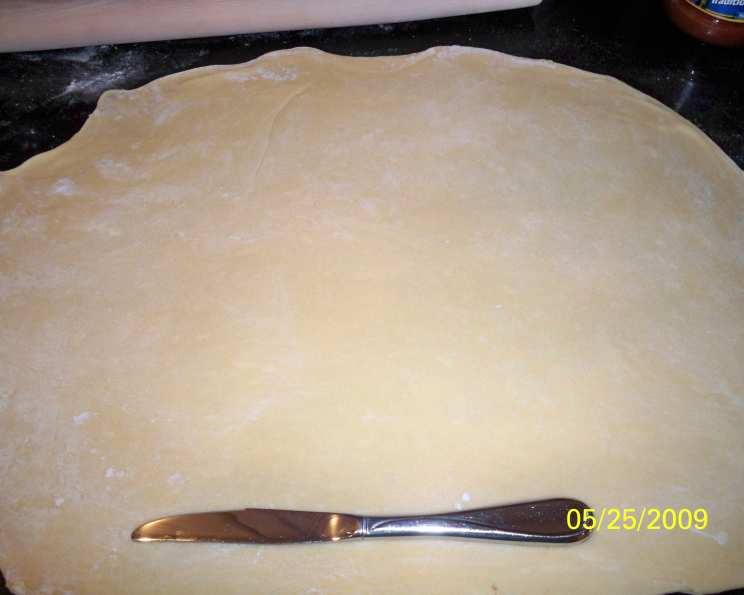
- Roll Out the Dough: On a lightly floured surface, roll out the dough with a rolling pin. You want to create a large, thin rectangle, aiming for a thickness of approximately 1/8 inch or less. This step requires some patience and a bit of elbow grease, as you’re aiming for a delicate sheet of pasta.
- Assemble the Rolls: Spread the spinach and cheese mixture evenly across the surface of the rolled-out pasta. Be sure to leave a one-inch border along one side.
- Roll and Secure: Starting from the side opposite the border, carefully roll the pasta up tightly to form a log. Gently press the border to seal the roll.
- Prepare for Boiling: Wrap the pasta roll securely in doubled cheesecloth. Secure both ends and the middle of the roll with string or twine to ensure it maintains its shape during boiling.
- Boil the Rolls: Fill a large pot with water and add salt generously, making it “salty like the sea.” Bring the water to a rolling boil. Carefully place the wrapped pasta roll into the boiling water. Boil for 25 minutes.
- Rest and Uncover: After 25 minutes of boiling, carefully remove the pasta roll from the water using a slotted spoon or spider strainer. Allow it to rest, still wrapped in the cheesecloth, for another 20 minutes. This resting period allows the pasta to firm up and makes slicing easier.
- Slice and Serve: Once rested, remove the cheesecloth. With a sharp knife, slice the pasta roll into one-inch thick pinwheels.
- Plate and Enjoy: To serve, ladle some warm marinara sauce onto each plate. Arrange a few of the pasta pinwheels on top of the sauce.
Notes from the Kitchen:
- I’ve found that Swiss Chard makes a delicious and equally vibrant alternative to spinach in this recipe.
- This dish is a wonderful accompaniment to classic Italian entrées like chicken parmesan, and a crisp green salad provides a lovely contrast.
- For an extra layer of aromatic flavor, consider adding some finely chopped fresh sage to the cheese mixture.
- This dish pairs beautifully with a light-bodied red wine or a refreshing rosé.
Expert Tips & Tricks
To elevate your Rotoli di Pasta experience, here are a few insights from years spent in the kitchen:
- Achieving Thin Pasta: The key to delicate and tender pasta is rolling it as thinly as you can manage without tearing. Don’t be afraid to work the dough; the thinner it is, the better it will cook and hold its shape. If the dough becomes too resistant, let it rest for another 10-15 minutes before continuing.
- The Cheesecloth Secret: Wrapping the roll in cheesecloth is vital. It helps the pasta maintain its cylindrical form as it cooks, preventing it from unraveling and ensuring those beautiful pinwheel slices. Doubling the cheesecloth adds extra security.
- Salting the Water: A well-salted boiling water is crucial for seasoning the pasta from the inside out. It should taste like the sea, as this is the primary way the pasta itself will absorb flavor.
- The Importance of Resting: Don’t skip the resting periods! Resting the dough makes it pliable for rolling, and resting the cooked roll allows it to firm up, making it much easier to slice cleanly without squishing.
Serving & Storage Suggestions
Rotoli di Pasta is a versatile dish that shines as a side or even a light main course.
- Serving: Serve the warm pinwheels immediately after slicing, ladled with a generous amount of your favorite marinara sauce. A sprinkle of fresh parsley or basil can add a burst of freshness and color. They are excellent alongside other Italian favorites or served as part of a larger antipasto platter.
- Storage: Leftover Rotoli di Pasta can be stored in an airtight container in the refrigerator for up to 2-3 days.
- Reheating: To reheat, gently warm the pinwheels in a skillet with a little extra marinara sauce over low heat, or place them on a baking sheet and warm in a preheated oven at 300°F (150°C) for about 10-15 minutes, until heated through. Be careful not to overcook, as this can make the pasta mushy.
Nutritional Information
Here’s an estimated nutritional breakdown for a serving of Rotoli di Pasta, keeping in mind that this can vary based on the specific ingredients and brands used.
| Nutrient | Amount per Serving | % Daily Value |
|---|---|---|
| Calories | 690.2 kcal | |
| Calories from Fat | 265 g | |
| Total Fat | 29.6 g | 45% |
| Saturated Fat | 16 g | 79% |
| Cholesterol | 190.5 mg | 63% |
| Sodium | 1152.8 mg | 48% |
| Total Carbohydrate | 68.4 g | 22% |
| Dietary Fiber | 3.1 g | 12% |
| Sugars | 12.3 g | 49% |
| Protein | 36.6 g | 73% |
Note: The “% Daily Value” is based on a 2,000 calorie diet. Your daily values may be higher or lower depending on your calorie needs.
Variations & Substitutions
While the classic spinach and ricotta filling is divine, feel free to explore these creative twists:
- Ricotta Alternatives: For a lighter option, consider using a combination of part-skim ricotta and cottage cheese. Goat cheese can also add a delightful tang.
- Greens: As mentioned, Swiss chard is a superb substitute for spinach. You could also try a mix of kale and spinach, ensuring the kale is well-tenderized during the sautéing process.
- Herbaceous Infusion: Stir in a tablespoon or two of finely chopped fresh herbs like basil, parsley, or chives into the cheese mixture for added complexity.
- Spicy Kick: For those who enjoy a little heat, a pinch of red pepper flakes added to the spinach mixture can provide a subtle warmth.
- Gluten-Free Option: While this recipe relies on traditional wheat flour, experimenting with a high-quality gluten-free all-purpose flour blend for the pasta dough might be possible, though it will likely require some adjustments to the liquid and kneading time.
FAQs
Q: Can I make the pasta dough ahead of time?
A: Yes, you can make the pasta dough a day in advance. Wrap it tightly in plastic wrap and refrigerate it. Allow it to come to room temperature for about 30 minutes before rolling to make it more pliable.
Q: What happens if my pasta roll breaks when boiling?
A: If your pasta roll breaks, don’t worry! The filling will still be delicious. You can try to gently gather the pieces together in the pot, and when you serve, you can present it as a “broken roll” or break it up further into smaller pieces to mix with the sauce.
Q: How can I ensure the pasta is cooked through?
A: The 25-minute boiling time is generally sufficient for a 1-inch thick roll. If you make your roll significantly thicker or thinner, you may need to adjust the cooking time slightly. A good indicator is that the pasta will firm up considerably after cooking and resting.
Q: Is it essential to use cheesecloth?
A: While it’s highly recommended for maintaining the roll’s shape, if you’re very confident in your rolling and sealing technique, you might attempt it without. However, the cheesecloth provides an extra layer of security and ensures a neater final product.
Q: Can I freeze Rotoli di Pasta?
A: You can freeze the assembled, uncooked rolls. Wrap them tightly in plastic wrap and then aluminum foil, and freeze for up to 1-2 months. Thaw overnight in the refrigerator before boiling. You can also freeze cooked and sliced pinwheels.
Final Thoughts
Rotoli di Pasta is a testament to the beauty of simple, fresh ingredients prepared with care. It’s a dish that speaks of family, tradition, and the joy of sharing a home-cooked meal. The process of making the pasta from scratch, the vibrant filling, and the elegant presentation all contribute to a truly memorable culinary experience. Whether you’re serving it as a special side dish or a comforting main, this Italian classic is sure to impress. I encourage you to embrace the hands-on nature of this recipe and savor every step. I’d love to hear about your own creations and any personal touches you add. Buon appetito!