
Rouille: A Fiery Kiss of France
There’s a certain magic that happens when humble ingredients transform into something utterly sublime. For me, that magic is captured in a vibrant, sunset-orange dollop of rouille. I first encountered this audacious condiment on a blustery evening in Marseille, spooned generously onto the rustic bread served alongside a steaming bowl of bouillabaisse. The aroma, a complex dance of garlic, saffron, and a whisper of the sea, immediately transported me. It wasn’t just a sauce; it was an experience, a bold declaration of Provençal flavor that clung to the warm bread and beckoned me back for more. That first taste, a rich, emulsified embrace with a lingering warmth, etched itself into my culinary memory, a benchmark against which all other garlic mayonnaise-style sauces are now measured.
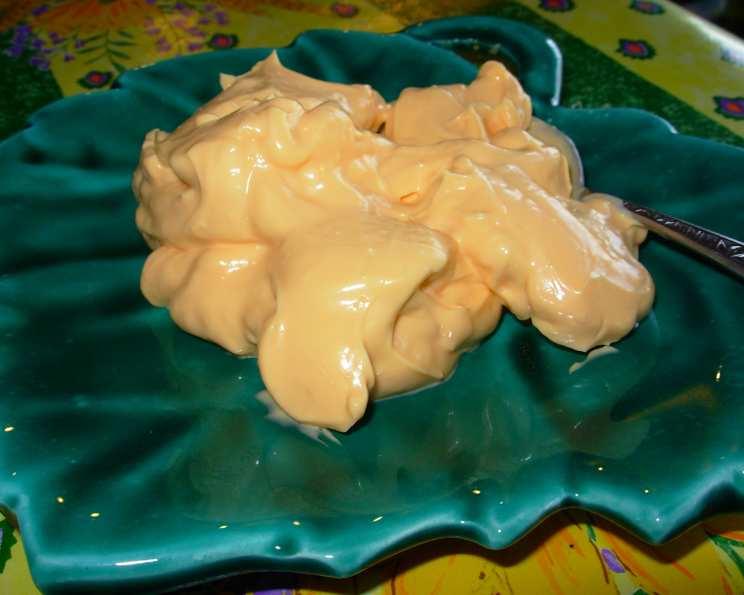
Rouille, a name that whispers of rust and warmth, is indeed that very color – a testament to the potent saffron and cayenne within. It’s a classic French accompaniment, its traditional role being the vibrant partner to the legendary bouillabaisse, that rich and complex seafood stew. But its versatility extends far beyond; it’s a glorious spread for toast, a zesty dip, or an intriguing addition to any dish crying out for a sophisticated kick. This recipe offers a lighter, more refined version, eschewing the bread or potato thickeners often found in regional variations, allowing the pure, unadulterated flavors of garlic, saffron, and cayenne to truly shine. The earthy perfume of saffron is, for me, the soul of this mayonnaise, a heady scent that masterfully balances the assertive pungency of garlic and the fiery embrace of cayenne pepper.
Recipe Overview
- Prep Time: 15 minutes
- Cook Time: 0 minutes
- Total Time: 15 minutes
- Servings: 6 (as an accompaniment)
- Yield: 2 Cups
- Dietary Type: Gluten-Free, Dairy-Free
Ingredients
- 3 egg yolks
- 1/4 teaspoon dry mustard
- 4-6 minced garlic cloves (adjust to your preference for garlic intensity)
- 1 tablespoon white wine, warmed slightly
- 1 teaspoon saffron threads
- 1/2 teaspoon cayenne pepper (or more, for extra heat)
- 1 teaspoon pastis or 1 teaspoon Ricard (optional, for an aniseed note)
- 1 1/2 cups olive oil (a good quality extra virgin olive oil is recommended for flavor)
- Salt, to taste
- Juice of 1/2 lemon
Equipment Needed
- Food processor or blender
- Small bowl
- Whisk (if making by hand)
Instructions
- Begin by preparing the saffron infusion. In a small bowl, combine the saffron threads with the warmed white wine. Stir gently and set aside for about 10-15 minutes to allow the saffron to fully bloom and release its vibrant color and flavor into the wine.
- In the bowl of a food processor (or blender), combine the egg yolks, dry mustard, and minced garlic cloves. Process this mixture for approximately 30 seconds, or until it is smooth and well combined.
- With the food processor still running, begin to add the olive oil. This is the most crucial step for emulsification. Start by adding the oil drop by drop. Continue this slow, meticulous process until the mixture begins to thicken significantly and takes on a smooth, mayonnaise-like consistency.
- Once the rouille has started to thicken, you can begin to add the remaining olive oil in a slow, steady stream. Continue to process, ensuring the oil is fully incorporated before adding more. Keep going until all of the olive oil has been added and the rouille is beautifully thick and smooth.
- Now, add the saffron-wine mixture (including the saffron threads) to the food processor. If you are using pastis or Ricard, add it at this stage as well. Process for another 30 seconds to thoroughly incorporate these flavors and distribute the saffron’s stunning color.
- Transfer the rouille to a clean bowl. Taste the sauce and season generously with salt as needed. Stir in the lemon juice, starting with the juice of half a lemon, and taste again. Add more lemon juice if you desire a tangier finish, but be careful not to overpower the other flavors.
- Serve the rouille immediately as an accompaniment to bouillabaisse or any other French fish soup, or use it as a delightful dip or spread.
Expert Tips & Tricks
The secret to a perfectly emulsified rouille lies in the temperature of your ingredients and the gradual addition of oil. Ensure your egg yolks are at room temperature; cold yolks can make emulsification more challenging. When adding the olive oil, patience is key. Adding it too quickly, especially at the beginning, is the most common reason for a sauce to break. If your rouille does happen to break (meaning the oil and yolk separate), don’t despair! You can often rescue it by starting with a fresh egg yolk in a clean bowl and slowly whisking the broken mixture into it, drop by drop, just as you did with the oil initially. The pastis or Ricard adds a subtle anise note that beautifully complements the other flavors, but it’s entirely optional if you prefer to omit it. For an even more intense garlic flavor, you can gently roast the garlic cloves before mincing them; this mellows the harshness and brings out a sweet, nutty depth.
Serving & Storage Suggestions
Rouille is traditionally served in small bowls alongside a hearty seafood stew, allowing diners to add as much or as little of the piquant sauce as they desire. It’s also utterly divine spread thinly on toasted baguette slices as an appetizer. You can dollop it onto grilled fish or use it as a zesty spread in a gourmet sandwich.
Leftover rouille should be stored in an airtight container in the refrigerator. It will keep well for up to one week. Before serving, give it a good stir as the oil may separate slightly. It is not recommended for freezing, as the emulsification may break upon thawing.
Nutritional Information
| Nutrient | Amount per Serving | % Daily Value |
|---|---|---|
| Calories | 1528.3 kcal | – |
| Calories from Fat | – | – |
| Total Fat | 168.3 g | 258% |
| Saturated Fat | 24.6 g | 122% |
| Cholesterol | 283.2 mg | 94% |
| Sodium | 16.4 mg | 0% |
| Total Carbohydrate | 4.6 g | 1% |
| Dietary Fiber | 0.4 g | 1% |
| Sugars | 0.6 g | 2% |
| Protein | 4.3 g | 8% |
Note: Nutritional information is an estimate and can vary based on specific ingredients and quantities used.
Variations & Substitutions
While this recipe focuses on a purer form of rouille, it’s a fantastic base for experimentation. For a milder heat, reduce the cayenne pepper or substitute it with a pinch of sweet paprika. If you don’t have pastis, a tiny pinch of fennel seeds steeped in the warm wine alongside the saffron can offer a similar aromatic nuance. For a bolder, more rustic flavor, consider incorporating a small amount of roasted red pepper puree into the initial garlic mixture – it will deepen the color and add a smoky sweetness. Some traditional recipes include a bit of cooked potato or even soaked bread as a thickener; if you prefer a heartier rouille, you could experiment with adding a tablespoon or two of mashed potato.
FAQs
Q: Why is my rouille not thickening?
A: This usually happens if the oil is added too quickly, especially at the beginning. Ensure you are adding the oil drop by drop initially until an emulsion starts to form, then gradually increase to a slow, steady stream.
Q: Can I make rouille without a food processor?
A: Yes, you can absolutely make rouille by hand. You’ll need a whisk and a large bowl. The process will be similar, but it will require more vigorous whisking to achieve the emulsion.
Q: How long does rouille last in the refrigerator?
A: Stored in an airtight container in the refrigerator, rouille will keep well for up to one week.
Q: Can I use a different type of oil?
A: While extra virgin olive oil is traditional and recommended for its flavor, you could experiment with a milder olive oil or even a neutral oil like grapeseed oil if you prefer a less pronounced olive note. However, the flavor profile will change.
Q: What’s the best way to incorporate more garlic flavor?
A: For a more intense garlic flavor, you can use an extra clove or two, or gently roast your garlic cloves before mincing. Roasting mellows the raw bite and adds a sweet, complex depth.
Final Thoughts
Rouille is more than just a sauce; it’s a vibrant splash of Provençal sunshine on your plate, a testament to the power of simple, quality ingredients. Its captivating color and complex flavor profile have the ability to elevate even the most straightforward dish. I encourage you to embrace its fiery spirit, to experiment with its heat, and to savor its rich, emulsified embrace. Whether you’re pairing it with a classic bouillabaisse or using it as a secret weapon in your everyday cooking, this rouille is sure to become a treasured addition to your culinary repertoire. Let me know how it turns out for you!