
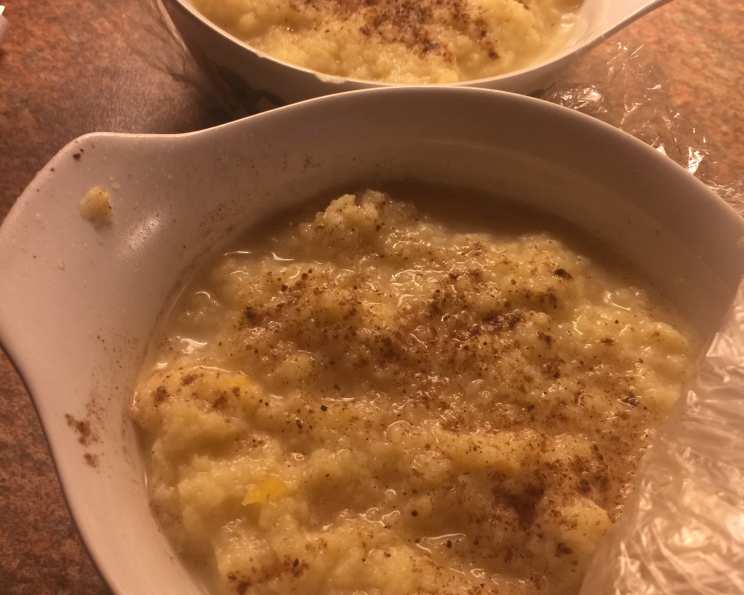
The Comforting Embrace of Rum Custard
There’s a particular kind of magic that unfolds when humble ingredients are coaxed into something truly sublime. For me, that magic is most potent in a perfectly baked custard. I remember stumbling upon this recipe years ago, a little clipping tucked away from a newspaper, its edges softened by time and perhaps a few stray fingerprints. The thought of that fragile paper, a silent testament to countless meals and conversations, dissolving into dust was a gentle nudge. It felt like a culinary heirloom, whispering tales of kitchens past, and I knew it was time to bring its comforting promise to life, not just for myself, but to share its simple, elegant pleasure. This rum custard, with its tender texture and whisper of warmth, is more than just a dessert; it’s a nostalgic embrace, a spoonful of pure, unadulterated joy.
Recipe Overview
- Prep Time: 10 minutes
- Cook Time: 30 minutes
- Total Time: 40 minutes
- Servings: 4
- Yield: 4 individual custards
- Dietary Type: Contains Dairy, Eggs
Ingredients
This recipe celebrates the beauty of simplicity, requiring just a handful of pantry staples to create something truly special.
- 3 large eggs, beaten lightly
- 3 tablespoons sugar
- 1 ½ cups milk (whole milk is recommended for the richest flavor and texture)
- 1 tablespoon rum (a good quality dark rum will add depth, but a lighter rum works beautifully too)
- ¼ teaspoon salt
- Freshly grated nutmeg, to sprinkle on top
Equipment Needed
You won’t need a lot of fancy gadgets for this classic.
- 4 individual custard cups or ramekins (about 4-6 ounce capacity)
- A medium-sized mixing bowl
- A whisk
- A saucepan (for heating milk, optional but recommended for a smoother custard)
- A large baking pan or roasting pan (large enough to hold the custard cups and about 1 inch of water)
- An oven
Instructions
The process for creating this rum custard is straightforward, allowing the quality of the ingredients to shine. Patience and a gentle hand are your best tools here.
- Prepare the Custard Base: In your mixing bowl, combine the lightly beaten eggs, sugar, and salt. Whisk these together until they are well incorporated and the mixture is smooth.
- Warm the Milk: Gently warm the milk. You can do this either in a saucepan over medium-low heat until it’s steaming but not boiling, or by microwaving it in short bursts, stirring in between. Warming the milk helps to temper the eggs more gently and ensures a smoother, more uniform custard.
- Combine Wet Ingredients: Slowly pour the warmed milk into the egg mixture while whisking continuously. This process is called tempering and prevents the eggs from scrambling. Once the milk is fully incorporated, stir in the tablespoon of rum.
- Portion the Custards: Carefully pour the combined custard mixture into your 4 individual custard cups. Fill them as evenly as possible.
- Prepare the Water Bath (Bain-Marie): This is a crucial step for achieving that signature silky-smooth texture. Place the filled custard cups into your large baking pan. Then, carefully pour hot water into the baking pan, ensuring the water comes up about 1 inch around the sides of the custard cups. This water bath will help the custards cook gently and evenly, preventing them from cracking or becoming rubbery.
- Bake to Perfection: Carefully transfer the pan with the custards and water bath into your preheated oven. Bake at 325°F (160°C) for approximately 30 minutes.
- Check for Doneness: To determine if the custards are ready, insert a knife into the center. If it comes out clean, the custards are done. They should be set around the edges but might still have a slight wobble in the very center.
- Avoid Overbaking: It’s essential not to overbake these custards. Overbaking can lead to a grainy texture and cause them to split. The residual heat will continue to cook them slightly as they cool.
- Cool and Serve: Once baked, carefully remove the custard cups from the water bath and place them on a cooling rack. Let them cool completely. These custards can be enjoyed warm, at room temperature, or chilled. Before serving, sprinkle a little freshly grated nutmeg over the top of each custard. The aroma of nutmeg complements the rum beautifully and adds a touch of elegance. They are delightful served with little crispy cookies.
Expert Tips & Tricks
As a chef, I’ve learned that a few small adjustments can elevate even the simplest of dishes.
- The Quality of Rum Matters: While any rum will technically work, a good dark rum will impart a richer, more complex flavor profile to your custard. Experiment with different types to find your favorite.
- Don’t Skip the Water Bath: I cannot stress this enough. The bain-marie is your secret weapon for achieving a truly luxurious, silky custard texture. Without it, you risk a rubbery, unevenly cooked dessert.
- Freshly Grated Nutmeg is Key: Pre-ground nutmeg has a muted flavor. The vibrant, aromatic oils released from freshly grating nutmeg over your warm custards will make a world of difference. It’s a small step with a significant impact.
- Gentle Tempering: When adding the warm milk to the eggs, take your time and whisk constantly. If the milk is too hot or you add it too quickly, you’ll end up with scrambled eggs in your custard.
- Individual vs. Large Dish: This recipe is written for individual ramekins. If you prefer to make one larger custard, you’ll need a similarly sized baking dish and will likely need to adjust the baking time. Start checking for doneness around the 40-minute mark.
Serving & Storage Suggestions
This rum custard is a wonderfully versatile dessert, perfect for an elegant dinner party or a simple weeknight treat.
- Serving: Serve your rum custard warm or chilled, allowing the flavors to meld and the texture to set. The sprinkle of freshly grated nutmeg is essential for that aromatic finish. They are particularly lovely accompanied by delicate, crisp cookies – think biscotti, langues de chat, or even shortbread. A small dollop of whipped cream or a scattering of fresh berries can also be a delightful addition, though the custard is perfectly delicious on its own.
- Storage: Unserved, cooled custards can be covered tightly with plastic wrap and stored in the refrigerator for up to 3 days. The flavors will continue to deepen slightly over time. Bring them to room temperature for about 15-20 minutes before serving if you prefer them not to be ice cold, or gently warm them in a low oven or microwave for a few seconds. Freezing is generally not recommended as it can alter the texture of custard.
Nutritional Information
This information is an estimate and can vary based on the specific ingredients and brands used.
| Nutrient | Amount per Serving | % Daily Value |
|---|---|---|
| Calories | 158.2 kcal | 8% |
| Total Fat | 7.1 g | 9% |
| Saturated Fat | 3.2 g | 16% |
| Cholesterol | 171.4 mg | 57% |
| Sodium | 242.7 mg | 10% |
| Total Carbohydrate | 14 g | 5% |
| Dietary Fiber | 0 g | 0% |
| Sugars | 9.7 g | 19% |
| Protein | 7.7 g | 15% |
(Note: % Daily Values are based on a 2,000 calorie diet. Actual daily values may be higher or lower depending on your calorie needs.)
Variations & Substitutions
While this recipe is a classic for a reason, don’t hesitate to experiment!
- Booze-Free: If you prefer to omit the rum, simply leave it out. The custard will still be delicious, though it will lack that subtle warmth and depth. You could also experiment with a splash of rum extract, using it sparingly.
- Spiced Variations: For a more complex flavor profile, consider adding a pinch of ground cinnamon or a tiny amount of ground ginger to the egg mixture along with the salt. This can be particularly lovely during the cooler months.
- Citrus Zest: A little finely grated lemon or orange zest stirred into the milk while warming can add a bright, fragrant note that beautifully complements the rum.
FAQs
Q: My custard looks a little watery. What went wrong?
A: This usually happens if the custard was not baked long enough or if it was overbaked and started to curdle. Ensure you check for doneness with a knife and avoid exceeding the recommended baking time.
Q: Can I make this custard ahead of time?
A: Absolutely! Custards are excellent candidates for making ahead. They can be baked, cooled completely, and then refrigerated for up to 3 days.
Q: What kind of milk should I use?
A: Whole milk will provide the richest and creamiest texture. However, you can experiment with 2% milk, but the custard may be slightly less rich. Skim milk is not recommended as it lacks the fat content needed for optimal texture.
Q: Why do I need to use a water bath for baking custard?
A: The water bath, or bain-marie, creates a gentle, humid environment in the oven. This ensures the custard cooks evenly and slowly, preventing the edges from cooking too quickly and becoming rubbery, while allowing the center to set perfectly.
Q: Can I use artificial sweetener instead of sugar?
A: While you could, it’s not ideal. Sugar not only provides sweetness but also contributes to the texture and browning of the custard. Artificial sweeteners may behave differently in baking and could alter the final result.
Final Thoughts
This simple rum custard is a testament to the enduring power of classic desserts. It’s a dish that speaks of comfort, of shared moments, and of the sheer pleasure of a perfectly executed treat. Whether you’re a seasoned baker or just starting your culinary journey, I encourage you to give this recipe a try. Experience the gentle transformation of simple ingredients into a silken, soul-warming dessert. Pour yourself a glass of something equally comforting – perhaps a dark rum or a sweet dessert wine – and savor each spoonful. I’d love to hear about your experience, how it tasted, and who you shared it with. Happy baking!