
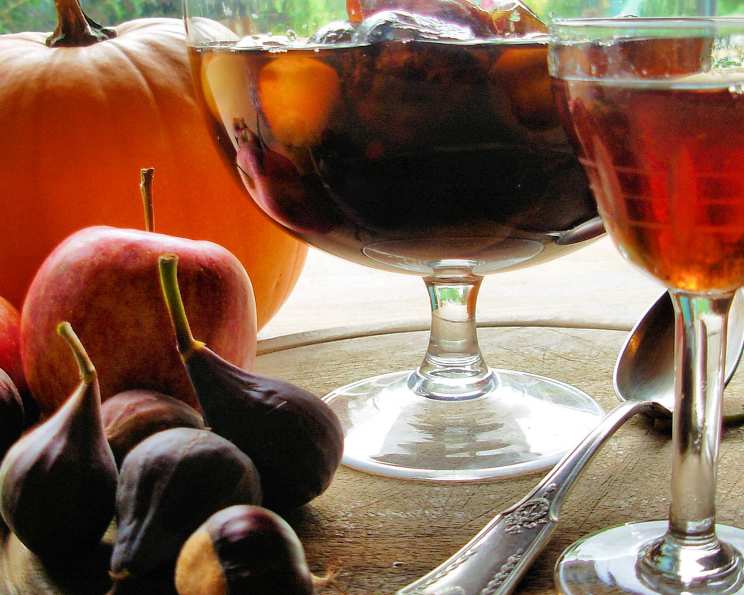
Rumtopf: A Taste of German Tradition, Bathed in Warm Rum
The aroma of simmering fruit, laced with the comforting warmth of rum, always transports me back to crisp autumn evenings at my grandmother’s house. She’d pull out a large, stoic stoneware crock from its cool cellar resting place, its contents a jewel-toned tapestry of summer’s bounty, preserved for the darker months. The ritual of adding the last of the season’s fruits, a tradition that stretched from the first blush of strawberries to the firm, late-season pears, was a quiet celebration of abundance. That deeply infused, boozy fruit, a gift from sun-drenched days, was the heart of her festive table, a testament to patience and the magic of simple ingredients transformed.
Recipe Overview
- Prep Time: Approximately 30 minutes (initial prep) + ongoing additions
- Marinating Time: Minimum 6 weeks
- Total Time: Preparation spans fruit season, with a minimum 6-week marinating period after the last addition
- Servings: 10-20 (as a dessert topping or beverage component)
- Yield: Varies based on the size of the Rumtopf vessel
- Dietary Type: Contains alcohol; can be made vegan depending on fruit selection.
Ingredients
The beauty of Rumtopf lies in its adaptability, a delightful reflection of the changing seasons. The general blueprint calls for a ratio of two parts fruit to one part sugar, then enough rum to keep everything happily submerged.
-
2 lbs (approximately 900g) assorted fresh fruit: This is where your creativity shines! Aim for a diverse mix of firm, ripe fruits. Excellent choices include:
- Berries: Strawberries, raspberries, currants (red and black), blueberries, gooseberries.
- Stone Fruits: Plums, cherries, peaches, nectarines.
- Other Fruits: Pears, figs, apples (use firmer varieties like Gala or Honeycrisp).
- Note: Avoid very soft or watery fruits like watermelon, as they can become mushy. Ensure all fruit is firm enough to withstand prolonged immersion.
-
1 lb (approximately 450g) granulated sugar: This acts as a preservative and helps draw out the juices from the fruit.
-
3 cups (approximately 710ml) 54% rum: A good quality, higher-proof rum is essential for proper preservation and flavor infusion. A neutral-flavored rum allows the fruit to take center stage, but a lightly spiced rum can add an extra layer of complexity.
Equipment Needed
- Large, clean stoneware crock or glass jar with a tight-fitting lid (Rumtopf vessel): This is the cornerstone of your Rumtopf. The size will determine the quantity of fruit you can preserve. Ensure it’s food-grade and can be stored in a cool, dark place.
- Sharp knife: For preparing the fruit.
- Cutting board: For prepping the fruit.
- Measuring cups and spoons: For accurate ingredient measurement.
- Colander: For washing the fruit.
- Clean kitchen towels: For patting the fruit dry.
Instructions
The traditional method of creating a Rumtopf is a delightful, slow dance with the seasons. It begins as soon as the first fruits of spring and summer become available and continues through the autumn, culminating with the last of the season’s harvest. This patient approach ensures a rich, complex flavor profile that simply cannot be replicated with a rushed, single-step method.
- Prepare the Fruit: Begin by gently washing all your chosen fruits under cool running water. Be particularly delicate with berries. Once washed, pat them thoroughly dry with clean kitchen towels. Any excess moisture can hinder the preservation process.
- Cut and Measure: If necessary, cut the fruit into bite-sized pieces. For instance, large strawberries can be halved or quartered, plums and peaches should be pitted and cut, and cherries can be left whole or halved. Pears and apples should be cored and cut. Measure the prepared fruit by weight.
- Initial Sugar Infusion: For the first batch of fruit you add to your Rumtopf, measure out half of the total sugar (0.5 lb or approximately 225g). Add this sugar to the fruit and mix gently to coat all the pieces.
- Rest the Sugared Fruit: Let the fruit and sugar mixture stand for about 1 hour. This allows the sugar to begin drawing out the natural juices from the fruit, creating a syrupy base.
- Fill the Rumtopf (Initial Layer): After the resting period, transfer the fruit mixture into your clean Rumtopf vessel.
- Add the Rum: Now, pour in enough rum to completely cover the fruit. A good rule of thumb is to ensure the fruit is submerged by at least a finger’s breadth (about 1 inch or 2.5 cm). This is crucial for proper preservation.
- Seal and Store: Close the Rumtopf tightly with its lid. Set the vessel aside in a cool, dark place. A cellar, pantry, or a cool cupboard is ideal. Avoid direct sunlight and fluctuating temperatures.
- Continue Adding Fruit: As new fruits become available throughout the spring, summer, and autumn, repeat steps 1 through 7. For each subsequent addition of fruit, measure out half of the remaining sugar (0.25 lb for the second batch, then another 0.25 lb for the third, and so on, until all 1 lb of sugar is used). Add the fruit, coat with the measured sugar, let it stand for about an hour, then add it to the Rumtopf, ensuring it is fully submerged by rum. Continue this process until your Rumtopf is completely filled or the fresh fruit season has ended, usually by November.
- Maintain and Monitor: Throughout the process, keep an eye on your Rumtopf. It is essential that the fruit remains completely submerged in rum at all times. If the rum level drops due to evaporation or absorption, top it up with more rum as needed.
- Final Marination Period: Once you have added the very last layer of fruit and sugar and topped it off with rum, let the Rumtopf stand undisturbed for at least 6 weeks. This extended marination period allows the flavors to meld and deepen beautifully. The longer it sits, the richer the flavor will become.
A Note on the “1-Step” Preparation: While the traditional method is a journey through the seasons, a “1-step” preparation is possible for immediate gratification. To do this, simply select a good mixture of fresh, ripe fruits you like, prepare them as described above (wash, dry, cut), and combine them all in your Rumtopf at once. Use the full 2 lbs of fruit and 1 lb of sugar. Cover them with the 3 cups of rum, ensuring all fruit is submerged. Then, let it stand for the minimum 6 weeks before enjoying. This method will produce a delicious result, though it may lack the nuanced complexity of the traditional, multi-stage approach.
Expert Tips & Tricks
- Fruit Selection is Key: As mentioned, firm fruits are your best friends here. If you’re using softer berries like raspberries, add them towards the end of the fruit season to minimize their time submerged.
- The Rum’s the Limit: Don’t be shy with the rum. It’s not just for flavor; it’s a vital preservative. If the fruit isn’t fully covered, your Rumtopf is at risk of spoilage.
- Patience is a Virtue: Resist the temptation to taste your Rumtopf too early! The minimum 6-week marination period is crucial for the flavors to develop fully. The longer it sits, the more magnificent it becomes.
- A Spoonful of Sugar: The sugar not only preserves but also extracts the delicious fruit juices, creating a luscious syrup that mingles with the rum.
- Vessel Variety: While a traditional stoneware crock is ideal, a large, wide-mouthed glass jar with a secure lid also works beautifully. The key is a good seal to prevent evaporation.
Serving & Storage Suggestions
Rumtopf is incredibly versatile. The alcohol-infused fruit itself is a delectable dessert topping.
- As a Topping: Serve spoonfuls of the rum-soaked fruit over vanilla ice cream, pound cake, yogurt, or even pancakes. The syrupy liquid is just as delightful as the fruit.
- In Cocktails: Strain some of the liquid and use it as a sweet, fruity base for cocktails. It pairs wonderfully with sparkling wine, prosecco, or as a mixer for rum-based drinks.
- As a Liqueur: Enjoy a small spoonful on its own as a potent, fruit-forward digestif.
Storage: Once prepared and the marination period is complete, store your Rumtopf in its cool, dark place. It will keep for a very long time, essentially indefinitely, as long as the fruit remains fully submerged in rum and the lid is securely sealed. If you are concerned about evaporation, you can periodically top it up with a little more rum.
Nutritional Information
Please note that providing exact nutritional information for Rumtopf is challenging due to the varying fruit combinations and the alcohol content. The following is an estimation based on typical ingredients and a standard serving size as a topping.
| Nutrient | Amount per Serving (approx.) | % Daily Value |
|---|---|---|
| Calories | 331.7 kcal | N/A |
| Calories from Fat | 0 g | 0% |
| Total Fat | 0 g | 0% |
| Saturated Fat | 0 g | 0% |
| Cholesterol | 0 mg | 0% |
| Sodium | 0.7 mg | 0% |
| Total Carbohydrate | 45.4 g | 15% |
| Dietary Fiber | 0 g | 0% |
| Sugars | 45.3 g | 181% |
| Protein | 0 g | 0% |
Note: The high sugar content is primarily from the added sugar and natural fruit sugars. The alcohol content will also contribute to the caloric value and is not reflected in standard macronutrient breakdowns.
Variations & Substitutions
- Spiced Rumtopf: Introduce a cinnamon stick, a few cloves, or a star anise to the Rumtopf during the marinating period for a warmer, more festive flavor profile.
- Non-Alcoholic Rumtopf (Rum-Aroma): While not traditional, if you wish to create a non-alcoholic version, you could use a high-quality rum extract or a rum-flavored syrup. However, be aware that the preservation properties of rum are lost, so these versions would need to be consumed more quickly and stored in the refrigerator.
- Regional Fruits: Embrace local produce! If you are in a region with abundant apricots or quinces, feel free to incorporate them into your Rumtopf.
FAQs
Q: Can I use frozen fruit for Rumtopf?
A: While it’s best to use fresh fruit for the traditional method, you can use thoroughly thawed and drained frozen fruit for a “1-step” preparation. Ensure all excess water is removed.
Q: My fruit is not completely covered by rum. What should I do?
A: This is a critical issue. You must add more rum to ensure all fruit is submerged by at least a finger’s breadth to prevent spoilage.
Q: How long does Rumtopf last?
A: Properly made and stored in a cool, dark place with the fruit always submerged, Rumtopf can last for a very long time, essentially indefinitely.
Q: Can I make Rumtopf with just one type of fruit?
A: While possible, a mix of fruits offers a more complex and appealing flavor profile. A single fruit might also become monotonous in flavor.
Q: What do I do with the fruit after I’ve used up the liquid?
A: The fruit itself is delicious! Enjoy it as a topping for desserts, as mentioned in the serving suggestions.
Final Thoughts
Rumtopf is more than just a preserved fruit dish; it’s a conversation starter, a culinary heirloom, and a tangible connection to the rhythm of the seasons. The patient layering of fruits, the gentle infusion of rum, and the quiet waiting period all contribute to its unique magic. I encourage you to embark on this delightful journey, to fill your Rumtopf with the colors and flavors of summer, and to savor the rich reward that patiently awaits. Share its bounty with loved ones, perhaps alongside a slice of festive stollen or a warm Christmas cookie, and let its warm, boozy embrace usher in the spirit of celebration.