
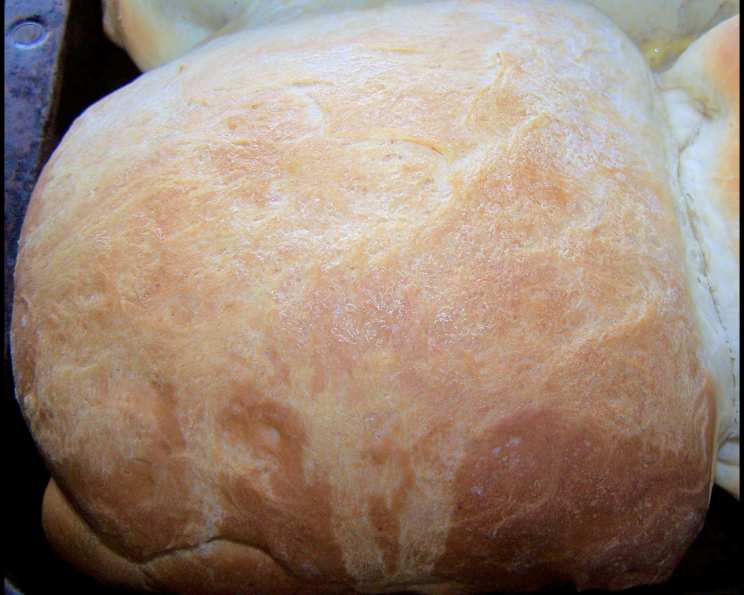
The Soul of the Runza: Crafting Perfect Dough from Scratch
There are certain aromas that instantly transport me back to childhood, to kitchens filled with warmth and love. The scent of yeasty dough rising, that subtle, almost sweet perfume, is one of them. Growing up, my family’s runza tradition wasn’t just about the savory filling; it was equally about the tender, pillowy dough that encased it. While many recipes call for the convenience of store-bought dough, I’ve always felt that the true magic of a runza lies in the foundation, the carefully crafted casing that’s a labor of love. This recipe is my homage to that foundational element, a dough that’s not just a vessel but a star in its own right, a perfect canvas for any delicious filling you dream up.
Recipe Overview
- Prep Time: Approximately 20 minutes, plus 1-2 hours for rising
- Cook Time: Not applicable for the dough itself; depends on the chosen filling
- Total Time: Approximately 1 hour 20 minutes to 2 hours 20 minutes (including rising time)
- Servings: Dough recipe sufficient for approximately 12-16 runzas
- Yield: Dough for multiple runzas
- Dietary Type: Traditional (contains gluten, dairy, eggs)
Ingredients
This recipe yields a beautifully elastic and flavorful dough, the perfect starting point for your runza creations.
- Flour: 5 cups, divided (all-purpose flour works wonderfully)
- Yeast: 2 packages (or 4.5 teaspoons) active dry yeast
- Lard: 1/2 cup, softened (provides incredible tenderness and flavor)
- Sugar: 1/2 cup
- Milk: 3/4 cup, warm (about 105-115°F / 40-46°C)
- Water: 1 1/2 cups, warm (about 105-115°F / 40-46°C)
- Salt: 1/2 teaspoon
- Eggs: 2 large
Equipment Needed
While this recipe is straightforward, having the right tools will make the process smoother.
- Large mixing bowl
- Measuring cups and spoons
- Whisk
- Dough hook attachment for a stand mixer (optional, but recommended for kneading)
- Clean kitchen towel or plastic wrap
- Baking sheets (for the finished runzas)
- Oven (for baking the filled runzas)
Instructions
Crafting this dough is a rewarding process that yields exceptional results. Follow these steps carefully for the best outcome.
- Prepare the Yeast Mixture: In a large mixing bowl, measure out 1-3/4 cups of the flour. To this, add the yeast. Then, add the softened lard, sugar, warm milk, warm water, and salt.
- Mix the Initial Dough: Using a whisk or a sturdy spoon, mix these ingredients together until just combined. The mixture will be quite wet at this stage.
- Incorporate the Eggs: Add the two eggs to the mixture.
- Stir in Remaining Flour: Gradually stir in the remaining flour until a shaggy dough forms. You may not need all of the flour, or you might need a touch more, depending on humidity. The dough should start to pull away from the sides of the bowl.
- Knead the Dough: Transfer the dough to a lightly floured surface. Knead the dough for 10 minutes. If you are using a stand mixer, use the dough hook attachment and knead on a low to medium speed for about 8-10 minutes, until the dough is smooth and elastic. The dough should feel supple and spring back when lightly poked.
- First Rise: Lightly grease the mixing bowl you used earlier. Place the kneaded dough into the greased bowl, turning it to coat all sides with a thin layer of fat. Cover the bowl tightly with a clean kitchen towel or plastic wrap.
- Allow to Rise: Let the dough rise in a warm place until it has doubled in size. This typically takes about 1 hour, but can take longer depending on the ambient temperature.
- Ready for Filling: Once the dough has doubled, it is ready to be used. Punch down the dough to release the air. You can now proceed with your favorite runza filling recipes. This dough is excellent for wrapping around fillings like seasoned ground beef and cabbage, or even a simple ham and cheese.
Expert Tips & Tricks
- Yeast Activation: Ensure your milk and water are warm, not hot. Too hot and you’ll kill the yeast; too cool and it won’t activate properly. The ideal temperature is between 105-115°F (40-46°C). You can test this by dipping your finger in – it should feel comfortably warm, like a baby’s bath.
- Lard is Key: While butter or shortening can be substituted in a pinch, lard truly lends a unique tenderness and subtle flavor to runza dough that’s hard to replicate. If possible, seek out good quality lard from your butcher or a specialty store.
- Flour Consistency: The amount of flour can vary slightly due to humidity and the specific brand of flour. Start with the specified amount and add more only if the dough is excessively sticky after kneading. A well-kneaded dough should be smooth and elastic, not overly stiff.
- The Rise is Crucial: Don’t rush the rising process. A properly risen dough will be light and airy, contributing to the final texture of your runzas. If your kitchen is cool, you can place the covered bowl in a slightly warm (turned off) oven or near a sunny window to encourage rising.
- Working with Dough: Once the dough has risen, handle it gently. Overworking it after the rise can make the final product tough.
Serving & Storage Suggestions
This dough is meant to be baked into delicious runzas. Once your runzas are filled and assembled:
- Baking: Bake filled runzas in a preheated oven at 375°F (190°C) until golden brown and cooked through, typically 20-25 minutes, depending on size and filling.
- Serving: Runzas are best served warm, fresh from the oven. They make a hearty meal on their own or can be accompanied by a simple green salad, potato salad, or your favorite picnic fare.
- Storage: Unbaked dough can be tightly wrapped and stored in the refrigerator for up to 2 days. For longer storage, freeze the dough in an airtight container for up to 3 months. Thaw in the refrigerator overnight before using. Baked runzas can be stored in an airtight container in the refrigerator for up to 3 days. They can also be frozen for up to 2 months. Reheat baked runzas in a moderate oven (around 350°F / 175°C) until warmed through.
Nutritional Information
Note: Nutritional information is an estimate for the dough only and does not include any fillings or preparation methods beyond the dough itself. Values can vary based on specific ingredient brands and precise measurements.
| Nutrient | Amount per Serving (approx.) | % Daily Value (approx.) |
|---|---|---|
| Calories | 250-300 kcal | 12-15% |
| Total Fat | 10-12g | 13-15% |
| Saturated Fat | 4-5g | 20-25% |
| Cholesterol | 30-40mg | 10-13% |
| Sodium | 80-100mg | 3-4% |
| Total Carbohydrate | 35-40g | 13-15% |
| Dietary Fiber | 1-2g | 4-8% |
| Sugars | 8-10g | Varies |
| Protein | 6-8g | 12-16% |
Variations & Substitutions
While this recipe is classic, here are a few ideas to explore:
- Butter Substitution: If lard is unavailable, unsalted butter (1/2 cup, softened) can be used, though the texture might be slightly less tender.
- Milk Alternative: For a dairy-free option, unsweetened plant-based milk like almond or soy milk (3/4 cup) can be used. Ensure it’s lukewarm.
- Whole Wheat Flour: You can substitute up to 1 cup of the all-purpose flour with whole wheat flour for a slightly nuttier flavor and added fiber. The dough might be a bit denser.
FAQs
Q: Can I use instant yeast instead of active dry yeast?
A: Yes, you can use instant yeast. If you do, you can typically mix it directly with the dry ingredients and skip the initial proofing step in warm liquid, though the quantity may vary slightly. Refer to your instant yeast package for specific instructions.
Q: Why is my dough not rising?
A: This is usually due to inactive yeast (old yeast or yeast killed by hot liquid) or a temperature that’s too cold. Ensure your yeast is fresh and that your liquids are at the correct warm temperature.
Q: Can I make this dough ahead of time?
A: Absolutely! The dough can be refrigerated for up to 2 days after its first rise. Bring it to room temperature before shaping and filling.
Q: What is lard and why is it used in this recipe?
A: Lard is rendered pork fat. It’s traditionally used in many baking recipes for its ability to create exceptionally tender and flaky baked goods, contributing a richness and subtle flavor that’s distinct.
Q: How do I know when the dough is kneaded enough?
A: The dough should be smooth, elastic, and slightly tacky but not sticky. It should spring back slowly when you press it with a floured finger.
Final Thoughts
There’s a profound satisfaction that comes from creating something truly special from scratch. This runza dough recipe is more than just a list of ingredients and steps; it’s an invitation to connect with culinary traditions, to engage your senses, and to produce a truly comforting and delicious outcome. Whether you’re a seasoned baker or just starting your journey, I encourage you to embrace the process. The aroma filling your kitchen as this dough rises, the pliable texture under your hands, and the eventual golden-brown perfection of your runzas will be a testament to your effort. I’d love to hear how your runzas turn out, perhaps paired with a crisp, cool glass of lemonade on a sunny afternoon.