
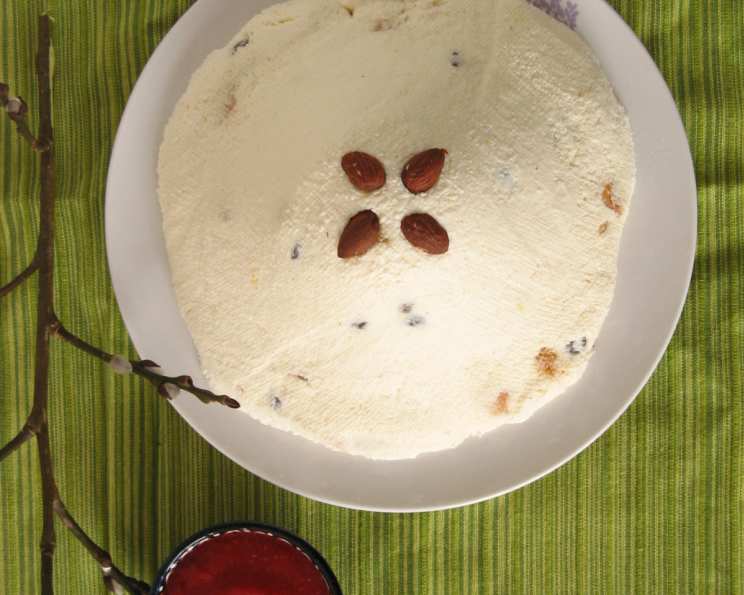
Pashka: A Taste of Russian Easter, Rich with Tradition and Creamy Delights
The scent of butter melting, the gentle hum of a mixer, and the anticipation of a special occasion – these are the sensory threads woven into my memories of Easter. For me, as for many, the holiday table isn’t complete without its iconic symbols. While the vibrant painted eggs and fragrant kulich take center stage, there’s a less common, yet equally profound, delight that truly captures the spirit of Russian Orthodox Easter: Pashka. It’s a dessert that speaks of purity, richness, and the joyous celebration of spring’s rebirth. I remember my grandmother, her hands dusted with flour, carefully lining a traditional flower pot – a symbol of fertility and new life – with damp cheesecloth, transforming it into a vessel for this precious, creamy creation. The weeks leading up to Easter were filled with the quiet anticipation of this dessert, a testament to patience and tradition. It’s akin to a rich, unbaked cheesecake, a creamy masterpiece shaped by tradition and time.
Recipe Overview
- Prep Time: 30 minutes (plus chilling time)
- Cook Time: 12-15 minutes (for custard)
- Total Time: 12 hours 35 minutes (including chilling)
- Servings: 12-14
- Yield: 1 Pashka
- Dietary Type: Vegetarian
Ingredients
This recipe calls for a few key ingredients to achieve its signature creamy texture and subtle sweetness.
- 3 egg yolks, slightly beaten
- 1 cup whipping cream
- 3⁄4 cup granulated sugar
- 1⁄8 teaspoon salt
- 1 teaspoon vanilla extract
- 6 cups small-curd cream-style cottage cheese (this is crucial for texture; full-fat is best for richness)
- 1⁄4 cup butter or 1/4 cup margarine, softened
- 1⁄2 cup chopped mixed candied fruit
- 1⁄4 cup finely chopped blanched almonds
- Cheesecloth (enough to line your chosen mold)
Equipment Needed
- Heavy saucepan
- Whisk
- Blender or food processor
- Spatula or wooden spoon
- 2-quart non-clay flower pot (with openings in the bottom for drainage) or any similar mold with drainage holes
- Cake rack
- Shallow pan (to catch liquid)
- Weights (such as cans of food)
Instructions
Crafting Pashka is a labor of love, a process that requires patience and attention to detail, but the reward is a dessert that is truly special.
- Begin by preparing the custard base. In a heavy saucepan, whisk together the egg yolks and whipping cream.
- Next, stir in the granulated sugar and salt.
- Place the saucepan over low heat. Cook, stirring constantly with a whisk or wooden spoon, until the mixture just coats a metal spoon. This should take approximately 12 to 15 minutes. It’s important to use low heat to prevent the eggs from scrambling.
- Once thickened, remove the saucepan from the heat. Stir in the vanilla extract.
- To cool the custard quickly and prevent further cooking, place the saucepan in a cold water bath. Continue to stir occasionally until the custard is cool.
- A helpful tip: If your custard appears to have curdled slightly, don’t worry! You can often fix this by beating it with a hand beater until it becomes smooth again.
- Now, let’s prepare the cottage cheese base. Place 3 cups of the cottage cheese and 2 tablespoons of the butter (or margarine) into the container of your blender.
- Cover and blend on medium speed, stopping the blender occasionally to scrape down the sides, until the mixture is completely smooth.
- Repeat this blending process with the remaining cottage cheese and the remaining butter. This ensures a luxuriously smooth texture throughout the Pashka.
- Gently stir the cooled custard into the blended cheese mixture until everything is well combined and smooth.
- Carefully stir in the chopped mixed candied fruit and finely chopped blanched almonds. These add delightful bursts of flavor and texture.
- Prepare your mold. Line a 2-quart non-clay flower pot (or any similar form dish with openings in the bottom for drainage) with a double layer of dampened cheesecloth. Ensure the cheesecloth extends beyond the rim of the pot, as you will use it to cover the mixture.
- Pour the cheese mixture into the lined pot.
- Fold the ends of the cheesecloth over the top of the mixture to cover it completely.
- Place the pot on a cake rack, and position the rack inside a shallow pan. This pan will catch any liquid that drains from the Pashka.
- Place weights (such as cans of food) on top of the cheesecloth-covered mixture. This helps to press out excess moisture and give the Pashka its characteristic firm shape.
- Refrigerate the Pashka for at least 12 to 24 hours. During this time, it’s important to pour off any liquid that accumulates in the shallow pan periodically. This chilling and draining process is crucial for developing the correct texture.
- To serve, unmold the Pashka onto a serving plate. Carefully remove the cheesecloth.
- Garnish as desired with additional candied fruit and blanched almonds.
- Refrigerate any remaining dessert.
Expert Tips & Tricks
- The Cottage Cheese Matters: For the smoothest Pashka, using small-curd cream-style cottage cheese is paramount. If you can only find larger curds, you might want to pass it through a fine-mesh sieve after blending to ensure absolute smoothness. Full-fat will always yield a richer, more decadent result.
- Drainage is Key: The flower pot or mold with drainage holes is not just for tradition; it’s essential for removing excess moisture, which is what gives Pashka its firm, cheesecake-like texture. If your mold doesn’t have holes, you’ll need to improvise with a sieve lined with cheesecloth.
- Patience with the Custard: The custard needs to be cooked gently. If you rush this step over high heat, you risk scrambling the egg yolks, which will affect the final texture. A double boiler can also be used for even gentler cooking.
- Cheesecloth Preparation: Lightly dampening the cheesecloth helps it adhere to the mold and makes it easier to work with. Don’t wring it out too much; it should be moist, not dripping.
- Make Ahead Magic: Pashka is a perfect make-ahead dessert. In fact, it must be made ahead due to the lengthy chilling and draining time. Prepare it up to two days in advance of your Easter celebration.
Serving & Storage Suggestions
Pashka is traditionally unmolded onto a decorative plate and served chilled. Its rich, creamy texture pairs beautifully with a light, airy kulich or a simple cup of strong black tea. For an extra touch of elegance, you can pipe decorative patterns with the reserved candied fruits and almonds on top.
Storage: Leftover Pashka should be stored, covered, in the refrigerator. It will keep well for 3 to 4 days. Due to its dairy content, it is not recommended for freezing.
Nutritional Information
Here’s an approximate nutritional breakdown for Pashka. Please note that these values can vary based on specific ingredient brands and exact measurements.
| Nutrient | Amount per Serving | % Daily Value |
|---|---|---|
| Calories | 285 kcal | 14% |
| Total Fat | 18.3 g | 23% |
| Saturated Fat | 9.3 g | 46% |
| Cholesterol | 96.7 mg | 32% |
| Sodium | 450.3 mg | 18% |
| Total Carbohydrate | 17.4 g | 6% |
| Dietary Fiber | 0.3 g | 1% |
| Sugars | 15.5 g | 31% |
| Protein | 13.4 g | 27% |
Variations & Substitutions
While the classic Pashka is divine, there are ways to personalize it to your taste:
- For a Richer Flavor: Instead of regular cottage cheese, you could try using farmer cheese for a slightly different texture and richness. Ensure it’s well-strained of any excess liquid.
- Citrus Zest: A touch of lemon or orange zest (about 1-2 teaspoons) added with the candied fruit can add a bright, refreshing note.
- Spices: A pinch of cardamom or nutmeg can add warmth and complexity to the flavor profile.
- Nut-Free: If you need to omit the almonds, simply leave them out. The Pashka will still be delicious. You can replace them with more candied fruit or even some toasted coconut flakes for a different textural element.
- Candied Fruit Alternatives: If you’re not a fan of mixed candied fruit, consider using dried cranberries, chopped dried apricots, or golden raisins for sweetness and chew.
FAQs (Frequently Asked Questions)
Q: Can I use a different type of cheese instead of cottage cheese?
A: While cottage cheese is traditional, farmer cheese is a good substitute for a slightly different texture. Ricotta cheese can also be used, but it might result in a softer Pashka that requires more thorough draining.
Q: Why does my Pashka taste a little grainy?
A: This is usually due to the cottage cheese curds not being fully blended. Ensure you are using small-curd cream-style cottage cheese and that you blend it until it is completely smooth. Sieving after blending can also help.
Q: What is the purpose of the cheesecloth?
A: The cheesecloth is essential for lining the mold and allowing excess moisture to drain from the Pashka, which helps it set and achieve its signature firm, yet creamy, texture.
Q: How can I tell if my Pashka is ready to unmold?
A: After the chilling period, the Pashka should feel firm to the touch and hold its shape when gently pressed. If it still seems very soft or wet, it needs additional draining time.
Q: Can I add more sugar to the Pashka?
A: You can adjust the sugar to your preference, but be mindful that excessive sugar can affect the texture and setting of the dessert. Taste the cheese mixture before adding it to the mold.
As the last frost gives way to the gentle warmth of spring, and the Orthodox world rejoices in the resurrection, Pashka stands as a delicious symbol of new beginnings and abundance. Its creamy, rich interior, studded with jewels of candied fruit, is a testament to patience and the enduring beauty of tradition. I encourage you to embark on this culinary journey, to embrace the process, and to share this exquisite dessert with loved ones. May your Pashka be as rich and celebratory as the season itself.