
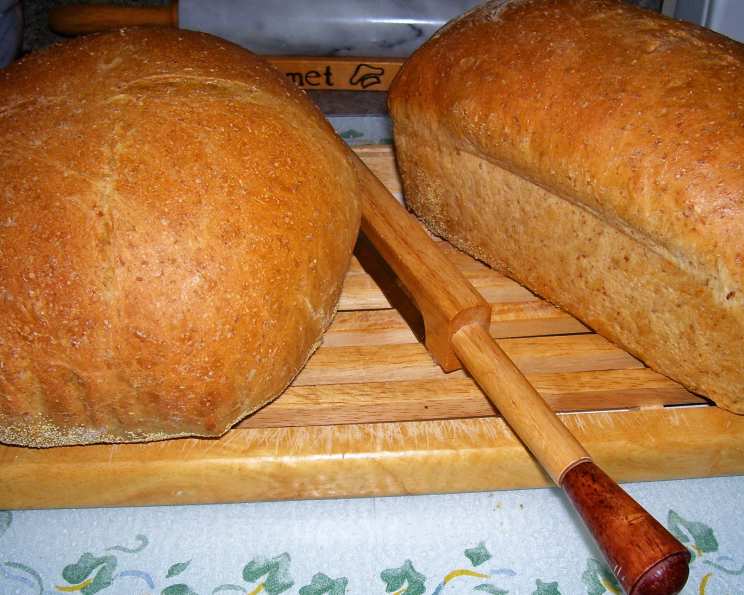
Rustic Hearth Bread for Your Bread Machine
There’s a certain magic that happens when simple ingredients transform into a fragrant, crusty loaf of bread. For years, my kitchen was a playground for such experiments, particularly with my trusty bread machine. I remember a phase where I was obsessed with the depth of flavor that a pre-ferment, like an Italian biga, could bring. It was a commitment, an overnight affair, but the reward was always unparalleled. Then, I stumbled upon a recipe from PanNan that sparked something new. After tweaking and tasting, I finally landed on this Rustic Bread recipe, a beautiful marriage of that time-honored starter technique and the convenience of modern bread makers, yielding a loaf that sings with character and a delightfully chewy crumb.
Recipe Overview
- Prep Time: Overnight for Biga, 15 minutes for Bread
- Cook Time: 40 minutes
- Total Time: Approximately 3 hours 45 minutes (including overnight Biga rise and baking)
- Servings: 6
- Yields: 2 loaves
- Dietary Type: Can be made Dairy-Free (see notes)
Ingredients
For the Biga (Overnight Starter)
- 1 cup warm water
- 1 teaspoon bread machine yeast
- 1/2 cup unbleached flour
- 1/2 cup whole wheat flour
For the Bread
- 1 1/4 cups warm water
- 1 tablespoon honey
- 1 tablespoon barley malt (or double the honey if unavailable)
- 2 tablespoons butter, softened (or a dairy-free alternative for a dairy-free loaf)
- 1 tablespoon vegetable oil
- 1 1/2 cups unbleached bread flour
- 2 cups whole wheat bread flour
- 2 teaspoons sugar
- 1 tablespoon salt
- 2 tablespoons vital gluten
- 2 teaspoons bread machine yeast
Equipment Needed
- Glass or plastic bowl (for Biga)
- Wooden spoon
- Bread machine
- Oven
- Cookie sheet
- Large pan (for rising stage)
- Cooling rack
Instructions
The journey to this rustic loaf begins the night before with the creation of our Biga, a lively starter that imbues the final bread with a complex flavor profile.
-
Prepare the Biga: In a glass or plastic bowl, gently stir together the warm water, bread machine yeast, unbleached flour, and whole wheat flour with a wooden spoon. Mix until the batter is smooth and there are no dry pockets of flour. Cover the bowl with a clean cloth and let it stand overnight at room temperature. You’ll wake up to a wonderfully bubbly, alive mixture.
-
Combine Dry Ingredients for Bread: In a separate large bowl, whisk together the unbleached bread flour, whole wheat bread flour, sugar, salt, and vital gluten. Set this mixture aside.
-
Assemble in the Bread Machine: Pour your prepared Biga into the bread machine pan. Next, add the warm water, honey, barley malt (or extra honey), softened butter, and vegetable oil.
-
Add Flour Mixture: Pour the dry flour mixture over the wet ingredients in the bread machine pan.
-
Incorporate Yeast: Create a small well or indentation in the center of the flour mixture, being careful not to expose the wet ingredients beneath. Place the bread machine yeast into this well.
-
Select Dough Cycle: Secure the bread machine pan and select the Dough cycle. Keep a watchful eye on the machine as the dough progresses. Sometimes, particularly in humid conditions, the dough can rise quite a bit and may reach the top of the pan before the cycle concludes. If this happens, gently push the dough back down into the pan.
-
Remove and Divide Dough: Once the Dough cycle has finished, carefully remove the dough from the bread machine. Gently divide the dough into two equal portions.
-
Shape the Loaves: You can shape your breads in two ways: either free-form, creating rustic rounds or oblongs, or you can shape them to fit into standard bread pans.
-
Preheat the Oven: While you are shaping your loaves, preheat your oven to 400°F (200°C).
-
Second Rise: Here’s a clever trick for a perfect rise: While the oven is preheating, place a large pan on your stovetop. Then, place your shaped loaves on a cookie sheet and sit the cookie sheet on top of the pan on the stove. This creates a warm, humid environment, perfect for the second rise. Cover the loaves with a light cloth and let them rise for 45 minutes.
-
Score the Loaves: Just before they go into the oven, use a sharp knife or a lame to score the top of each loaf. This allows the bread to expand beautifully as it bakes.
-
Initial Bake: Carefully place the scored loaves into the preheated 400°F (200°C) oven. Bake for 10 minutes.
-
Reduce Heat and Continue Baking: After the initial 10 minutes, reduce the oven temperature to 350°F (175°C) and continue to bake the loaves for another 30 minutes.
-
Check for Doneness: To ensure your bread is perfectly baked, remove the loaves from their pans (if used) and tap the bottom of each loaf. A hollow sound indicates it’s ready. If it sounds dense or heavy, return the bread to the oven (without the pan) for another 5 minutes.
-
Cool: Transfer the baked loaves to a wire cooling rack to cool completely before slicing. This is crucial for the texture to set properly.
Expert Tips & Tricks
- Barley Malt Magic: If you can’t find barley malt, don’t fret! Simply double the amount of honey. Barley malt does lend a lovely depth and slightly richer color, but honey is a perfectly acceptable substitute.
- The Warm Oven Environment: The stovetop method for the second rise is a game-changer. It mimics a proofing box, ensuring a consistent and optimal rise, especially in cooler kitchens. If your stovetop is electric, you might want to gently warm the pan before placing the bread on it, but avoid making it too hot.
- Flour Power: The combination of unbleached bread flour and whole wheat bread flour creates a wonderful balance of structure and hearty flavor. For a lighter loaf, you could slightly increase the unbleached bread flour, but this recipe is designed for that satisfying rustic chew.
- Vital Gluten is Key: Don’t skip the vital gluten! It’s essential for providing the extra structure and chew that defines a good rustic loaf, especially when using a higher proportion of whole wheat flour.
- Oven Quirks: All ovens are a little different. If you find your bread is browning too quickly, you can loosely tent it with foil during the last 15-20 minutes of baking. Conversely, if it’s not browning enough, you can increase the temperature by 25°F for the final 10 minutes.
Serving & Storage Suggestions
This Rustic Bread is a champion on its own, torn and enjoyed with a slather of good butter. It’s also an exceptional companion for hearty soups, stews, and robust pasta dishes. For a truly authentic experience, serve it slightly warm.
Leftover bread can be stored at room temperature, wrapped tightly in a clean kitchen towel or a bread bag, for up to 3 days. For longer storage, slice the cooled loaves and freeze them in an airtight bag. Reheat slices in a toaster or a warm oven for a delightful second life.
Nutritional Information
(Note: Nutritional values are estimates and can vary based on specific ingredients used.)
| Nutrient | Amount per Serving | % Daily Value |
|---|---|---|
| Calories | 1239.2 kcal | N/A |
| Calories from Fat | N/A | 211 g |
| Total Fat | 23.5 g | 36 % |
| Saturated Fat | 9 g | 45 % |
| Cholesterol | 30.5 mg | 10 % |
| Sodium | 3589.5 mg | 149 % |
| Total Carbohydrate | 226.3 g | 75 % |
| Dietary Fiber | 23.2 g | 93 % |
| Sugars | 13.9 g | 55 % |
| Protein | 39.1 g | 78 % |
Variations & Substitutions
- Dairy-Free Delight: Simply substitute the butter with your favorite dairy-free butter alternative or a neutral-flavored oil like avocado oil.
- Seeded Sensation: For added texture and flavor, incorporate 1/4 cup of mixed seeds (like sunflower, poppy, or flax seeds) into the dry ingredients before starting the bread machine cycle.
- Herbal Infusion: Add a tablespoon of dried herbs, such as rosemary or thyme, to the dry ingredients for an aromatic twist.
FAQs (Frequently Asked Questions)
Q: Why is the Biga made the night before?
A: The overnight fermentation of the Biga develops complex flavors and a superior texture that cannot be achieved with instant yeast alone.
Q: Can I skip the vital gluten?
A: While you can technically skip it, the vital gluten is highly recommended for achieving the best rustic texture, especially with the whole wheat flour content.
Q: My bread machine dough rose too much. What went wrong?
A: This can happen due to environmental factors like humidity or the specific yeast used. Gently push the dough back down; the dough cycle is forgiving.
Q: How can I get a really crispy crust?
A: Ensure the oven is fully preheated and consider placing a shallow pan of water on the bottom rack during the first 15-20 minutes of baking to create steam.
Q: Is it okay to use all-purpose flour instead of bread flour?
A: Bread flour has a higher protein content, which is crucial for developing gluten and creating that desirable chewy texture. While you can substitute, the results may be less structured and chewier.
Final Thoughts
This Rustic Bread recipe is more than just a set of instructions; it’s an invitation to experience the simple pleasure of homemade bread, elevated by a little bit of patience and a whole lot of flavor. It’s the kind of bread that makes a humble meal feel like a feast, the kind that begs to be shared. Whether you’re a seasoned baker or embarking on your bread-making journey, I encourage you to give this loaf a try. The aroma that will fill your kitchen is just the beginning of the satisfaction. Pair a warm slice with a hearty minestrone soup or a rich bolognese, and savor every bite. I can’t wait to hear about your bakes!