
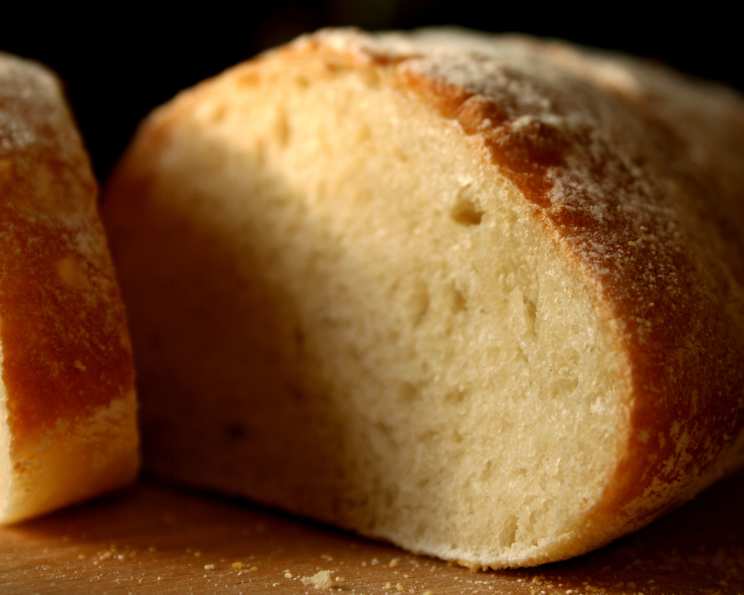
Rustic French Bread: A Journey to the Perfect Crust
There’s a certain magic that happens when flour, water, and yeast come together with time and a little warmth. I remember my first attempt at a truly rustic French bread, inspired by the loaves I’d seen in Parisian boulangeries – those perfectly imperfect, deeply browned beauties with a crackling crust that promised pure, unadulterated bread bliss. The idea of making a sponge starter, a technique that seemed both ancient and a little intimidating, held a particular allure. That first loaf, born from that bubbling, fragrant sponge, was a revelation. It wasn’t just bread; it was an achievement, a delicious testament to patience and the primal satisfaction of creating something so fundamental from scratch. The aroma that filled my kitchen during its bake was intoxicating, a preview of the golden, crusty masterpiece to come.
Recipe Overview
- Prep Time: At least 6 hours (for sponge) + 3-4 hours (for dough)
- Cook Time: 30-40 minutes
- Total Time: At least 9-10 hours (mostly inactive time)
- Yields: 2 loaves
- Dietary Type: Vegan (ensure no animal products in ingredients used)
Ingredients
This recipe begins with a simple yet essential sponge, a testament to the beauty of fermentation.
For the Sponge:
- ¾ cup white flour
- ½ cup warm water
- ½ teaspoon yeast (active dry or instant)
For the Dough:
- 4 ½ cups flour (Note: The original recipe suggests a mix, for instance, 2 cups whole wheat flour and the rest white flour)
- 2 cups warm water
- 1 teaspoon salt
Equipment Needed
You’ll need a few basic kitchen tools to bring this rustic bread to life:
- Large mixing bowls
- Measuring cups and spoons
- A plastic or wooden utensil (for mixing the sponge)
- A lid for your mixing bowl or a clean kitchen towel
- Baking sheets
- A small oven-safe pan (for steam)
- A sharp knife or lame (for scoring)
- A cooling rack
Instructions
The journey to a truly rustic French bread is a patient one, but each step is straightforward and rewarding.
-
Prepare the Sponge: Begin by preparing the sponge. In a medium bowl, combine the ¾ cup white flour, ½ cup warm water, and ½ teaspoon yeast. If using active dry yeast, you can first proof it by letting it sit in the warm water for about 5 minutes until it becomes foamy. Then, mix in the flour with a plastic or wood utensil until the starter leaves the side of the bowl. The original recipe notes the preference for using a glass mason jar with a lid for this step. Let this sponge sit in a warm place for at least 6 hours, or until it has tripled in volume. If you’re not using it right away, you can refrigerate it; just be sure to take it out and let it come to room temperature for an hour before proceeding.
-
Mix the Dough: Once your sponge is ready, it’s time to create the main dough. In a large mixing bowl, combine the 4 ½ cups of flour (remembering the potential to mix whole wheat and white as suggested), the 2 cups of warm water, the prepared sponge starter, and the 1 teaspoon of salt. Mix these ingredients together until they just begin to come together.
-
Knead the Dough: Turn the dough out onto a lightly floured surface and knead it for about 10 minutes. The goal is a smooth, elastic dough. The original recipe advises that the dough should be sticky, but not stick to your hands.
-
First Rise: Place the kneaded dough into a lightly oiled bowl. Turn the dough over once to ensure the entire surface is coated with oil. This helps prevent a dry crust from forming. Cover the bowl and let it rise in a warm place until it has doubled in bulk, which typically takes about 2 to 3 hours.
-
Shape the Loaves: Once the dough has doubled, punch it down gently to release the air. Turn the dough out onto a surface that has been dusted with flour. Divide the dough into two equal portions and shape them into 2 loaves. Place these shaped loaves onto 2 cookie sheets that have been dusted with flour.
-
Second Rise: Cover the shaped loaves loosely and place them in a warm place to rise again until they have doubled in size. A clever trick mentioned is to heat your oven slightly and then place the loaves inside the warm, turned-off oven to encourage this second rise.
-
Prepare for Baking: When the loaves are nearly doubled, preheat your oven to 450°F (230°C). Place a small pan on the lower shelf of your oven. This pan will be used to create steam, which is crucial for developing a beautiful, crisp crust. Add about 2 cups of boiling water to this pan just before you place the bread in the oven.
-
Score and Bake: Using a sharp knife or a baker’s lame, score the top of each loaf with an ‘X’ or any desired pattern. This allows the bread to expand evenly in the oven. Carefully place the loaves on the center shelf of the preheated oven.
-
Baking Time and Temperature Adjustment: Bake for 40 minutes. However, the original recipe’s author notes a personal adjustment: “I baked mine for 30.” They also suggest that “450 degree was too high a temperature for the full 40 minutes.” A key indicator of doneness is the sound when tapping the bottom of the bread – it should sound hollow. For a perfectly crisp crust, the author recommends baking until golden brown all over for 30 minutes, then turning off the oven with the bread inside for the last 10 minutes, directly on the oven rack.
-
Develop the Crust: After the baking time, turn off the oven and let the bread sit inside for another 10 minutes to further develop its crust.
-
Cooling: Carefully remove the loaves from the oven and place them on a cooling rack. Allow them to cool completely before slicing. This cooling period is essential for the bread’s texture and moisture distribution.
Expert Tips & Tricks
Achieving that perfect rustic crust and airy crumb is all about a few key techniques. The use of steam in the oven, as described in step 7, is paramount. It keeps the surface of the dough moist during the initial stages of baking, allowing it to expand fully before a hard crust forms. This results in a thinner, crisper, and more flavorful crust. When shaping the loaves, be gentle. You want to retain as much of the air developed during the rises as possible. Scoring the bread not only adds visual appeal but also helps control where the bread expands, preventing blowouts and creating a more even loaf. Don’t be afraid of the sticky dough; it’s a sign of good hydration, which contributes to a tender crumb.
Serving & Storage Suggestions
This rustic French bread is at its absolute best served warm, fresh from the oven, with a generous slathering of good butter. It’s an exceptional accompaniment to a hearty soup, a crisp salad, or simply enjoyed on its own. The intense aroma and texture are unparalleled.
For storage, the bread will keep reasonably well at room temperature for 2-3 days, especially if stored in a paper bag or a bread box. Avoid plastic bags, as they can make the crust soggy. If you have a significant amount of bread left, or if you want to preserve its freshness for longer, you can slice it and freeze it. Wrap the slices tightly in plastic wrap, then in aluminum foil or a freezer bag. To reheat, you can toast slices directly from frozen, or gently warm a whole loaf in a low oven (around 300°F / 150°C) for about 10-15 minutes until the crust is re-crisped.
Nutritional Information
Here’s an estimated nutritional breakdown per serving (assuming 12 servings for 2 loaves):
| Nutrient | Amount per Serving | % Daily Value |
|---|---|---|
| Calories | 1197.3 kcal | |
| Calories from Fat | ||
| Total Fat | 3.3 g | 5% |
| Saturated Fat | 0.5 g | 2% |
| Cholesterol | 0 mg | 0% |
| Sodium | 1175.7 mg | 48% |
| Total Carbohydrate | 250.8 g | 83% |
| Dietary Fiber | 9.1 g | 36% |
| Sugars | 0.9 g | 3% |
| Protein | 34.3 g | 68% |
Note: Nutritional values are estimates and can vary based on exact ingredients used.
Variations & Substitutions
While this recipe yields a beautiful classic French bread, there’s always room for creativity!
- Whole Grain Goodness: As mentioned in the ingredients, feel free to experiment with the flour ratio. Incorporating up to half whole wheat flour will add a nutty depth of flavor and a slightly denser crumb. Other flours like spelt or rye can also be explored in smaller quantities.
- Herbal Infusion: Add dried herbs like rosemary, thyme, or herbes de Provence to the dough for an aromatic twist.
- Seeded Delight: Mix in a handful of sesame seeds, poppy seeds, or flaxseeds to the dough for added texture and flavor. You can also sprinkle seeds on top before baking.
- Sourdough Conversion: For those who enjoy the tang of sourdough, this recipe can be adapted by using a mature sourdough starter instead of commercial yeast, adjusting the liquid and flour quantities accordingly and understanding that fermentation times will vary significantly.
FAQs (Frequently Asked Questions)
Q: Why is my bread dough so sticky?
A: A slightly sticky dough is often desirable for a moist and tender crumb in rustic breads. As long as it’s not so wet that it’s unmanageable, you’re on the right track. Lightly flouring your hands and the work surface can help.
Q: How can I ensure a crispy crust?
A: The key is steam. The pan of boiling water in the oven creates a steamy environment that prevents the crust from hardening too quickly, allowing the bread to rise fully and develop a thin, crackly crust.
Q: Can I make this bread without a sponge starter?
A: The sponge starter is integral to the flavor and texture profile of this specific recipe. While you can make bread without it using direct yeast methods, the result will be different.
Q: My bread didn’t rise very well, what could be the problem?
A: Common culprits include inactive yeast, water that was too hot or too cold, or insufficient rising time in a warm environment. Ensure your yeast is fresh and your water is the correct lukewarm temperature.
Q: How long does the sponge starter last in the refrigerator?
A: A well-maintained sponge starter can last for several weeks in the refrigerator, but it’s best to use it within 1-2 weeks for optimal activity. Always refresh it or let it come to room temperature before using.
Final Thoughts
There’s an undeniable satisfaction in pulling a loaf of homemade rustic French bread from the oven, its crust a deep golden hue, its aroma a promise of pure deliciousness. This recipe, with its foundational sponge starter, invites you to slow down and engage with the art of bread making. It’s a journey that rewards patience with a loaf that is far superior to anything store-bought. Share it with loved ones, pair it with your favorite meal, or simply savor a slice with a drizzle of olive oil. I’d love to hear about your baking adventures and how this rustic beauty turned out in your kitchen!