
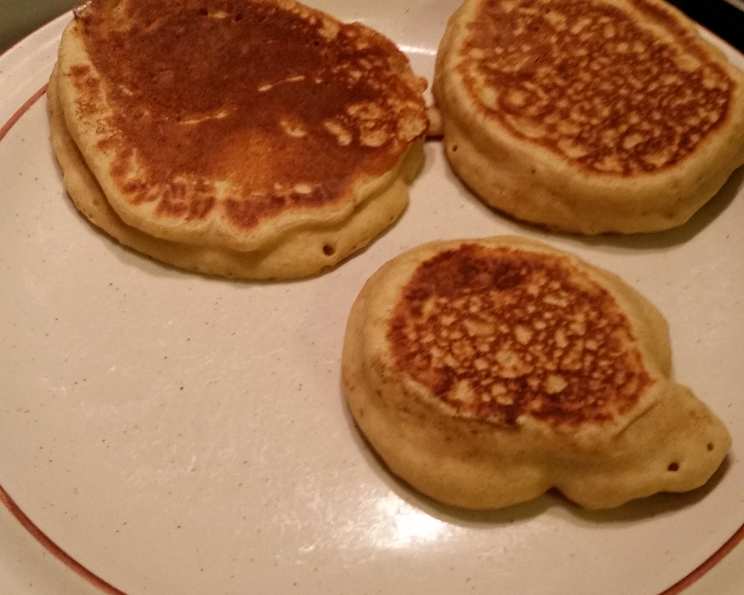
Embracing the Earthy Charm: My Journey with Rye Pancakes
There’s a comforting, almost ancient wisdom to the humble rye pancake. For me, it conjures up crisp autumn mornings in my grandmother’s kitchen, the air thick with the scent of woodsmoke and something wonderfully hearty. She wasn’t one for fussy breakfasts, but when she wanted to add a touch of something special, a little bit of rustic charm to our usual stack, she’d reach for the rye flour. The resulting pancakes, with their deeper, earthier notes, felt like a warm hug, a departure from the everyday, and a reminder that even the simplest ingredients can yield something extraordinary.
Recipe Overview
- Prep Time: 10 minutes
- Cook Time: 15 minutes
- Total Time: 25 minutes
- Servings: 4
- Yield: Approximately 8-10 pancakes
- Dietary Type: Vegetarian
Ingredients
- 1 cup rye flour
- 1/2 cup all-purpose flour
- 1 large egg, beaten
- 1 cup milk (whole or 2% recommended for richness)
- 1 tablespoon shortening, melted (vegetable shortening is a good choice)
- 3 teaspoons baking powder
- 1 pinch salt
Equipment Needed
- Large mixing bowl
- Medium mixing bowl or liquid measuring cup
- Whisk
- Measuring cups and spoons
- Skillet or large frying pan
- Spatula
- Ladle or 1/3 cup measuring cup
Instructions
-
In a large mixing bowl, sift together the rye flour, all-purpose flour, baking powder, and salt. Sifting ensures that the dry ingredients are well combined and aerated, which contributes to lighter pancakes. Whisk gently to ensure even distribution.
-
In a separate, medium bowl or a large liquid measuring cup, stir together the milk, beaten egg, and melted shortening until thoroughly combined. Ensure the melted shortening is well incorporated into the wet ingredients; if it has solidified slightly, a quick whisk will bring it back together.
-
Create a well in the center of the dry ingredients. Pour the wet ingredients into the well of the dry ingredients. Stir with a whisk or a fork until just combined. It is crucial not to overmix at this stage; a few lumps in the batter are perfectly acceptable and often desirable for tender pancakes. Overmixing develops the gluten in the flour too much, leading to tough, rubbery pancakes.
-
Heat a skillet or large frying pan over medium-high heat. Allow it to preheat thoroughly. This is a critical step for achieving a good sear and even cooking.
-
Spray the hot skillet with a generous coating of cooking spray. You want to ensure the pancakes release easily and develop a beautiful golden-brown crust.
-
Using a ladle or a 1/3 cup measuring cup, dollop the batter into the heated skillet to form pancakes. Aim for uniform sizes for even cooking. You’ll likely be able to cook 2-3 pancakes at a time, depending on the size of your skillet, without overcrowding it.
-
Cook the pancakes until bubbles appear on the uncooked side and the edges start to look dry. This typically takes about 2-3 minutes per side. The visual cues are your best indicator of when to flip.
-
Using a spatula, flip the pancakes and cook the other side until golden brown. This second side usually cooks a little faster, about 1-2 minutes.
-
Remove the cooked pancakes from the skillet and transfer them to a plate. You can keep them warm by placing them in a low oven (around 200°F / 95°C) while you cook the remaining batter. Continue with the remaining batter, re-spraying the skillet with cooking spray between batches if needed.
Expert Tips & Tricks
The beauty of rye pancakes lies in their rustic simplicity, but a few seasoned touches can elevate them from good to truly memorable. The key to a light and tender pancake, even with the heartier rye flour, is in the mixing. Resist the urge to beat the batter into submission; a few lumps are a sign of a gentle hand and will result in a more delicate crumb. If your melted shortening has solidified a bit, a quick whisk will emulsify it back into the wet ingredients, ensuring it doesn’t create greasy pockets in your batter. For perfectly round pancakes, use a consistent measuring tool like a 1/3 cup measure for each dollop of batter.
Serving & Storage Suggestions
These rye pancakes are wonderfully versatile and truly shine when served warm. The classic pairing of butter and maple syrup is, of course, a timeless delight. The subtle nuttiness of the rye flour complements these toppings beautifully. For a more decadent experience, consider a dollop of crème fraîche or Greek yogurt, a scattering of fresh berries, or even a drizzle of honey.
Leftover pancakes can be stored in an airtight container in the refrigerator for up to 3 days. To reheat, you can gently warm them in a toaster, a skillet over low heat, or in a single layer on a baking sheet in a moderate oven (around 350°F / 175°C) until heated through.
Nutritional Information
| Nutrient | Amount per Serving | % Daily Value |
|---|---|---|
| Calories | 232.8 kcal | |
| Calories from Fat | 7.2 g | 11% |
| Saturated Fat | 2.6 g | 13% |
| Cholesterol | 55 mg | 18% |
| Sodium | 359.5 mg | 14% |
| Total Carbohydrate | 34.9 g | 11% |
| Dietary Fiber | 3.4 g | 13% |
| Sugars | 0.4 g | 1% |
| Protein | 8 g | 15% |
Note: Nutritional information is an estimate and can vary based on specific ingredients and portion sizes used.
Variations & Substitutions
While this recipe is fantastic as is, feel free to explore some delightful variations. If you’re looking for a dairy-free option, substitute the milk with your favorite non-dairy alternative like almond, soy, or oat milk. For a richer flavor, consider using buttermilk in place of regular milk for a slight tang and extra tenderness. You could also experiment with adding a touch of spice to the dry ingredients, such as a pinch of cinnamon or nutmeg, for a warm autumnal twist.
FAQs
Q: Can I use 100% rye flour instead of a mix?
A: While you can, using only rye flour can sometimes result in denser, less fluffy pancakes. The addition of all-purpose flour helps to achieve a lighter texture.
Q: My pancakes are sticking to the pan. What am I doing wrong?
A: Ensure your skillet is adequately preheated and that you’re using enough cooking spray or butter. If they continue to stick, your pan might not be seasoned well enough or is not hot enough.
Q: How can I make my pancakes fluffier?
A: Avoid overmixing the batter, ensure your baking powder is fresh, and make sure your skillet is at the correct medium-high heat to create that initial puff.
Q: Can I make the batter ahead of time?
A: It’s best to make the batter just before cooking. The baking powder will begin to react as soon as it’s mixed with the wet ingredients, and letting it sit too long can reduce its leavening power.
Q: What’s the best way to serve these pancakes?
A: Serve them immediately off the griddle for the freshest, most enjoyable texture.
A Taste of Tradition, Reimagined
There’s a profound satisfaction in creating something from scratch that nourishes both the body and the soul. These rye pancakes are more than just a breakfast item; they are a delicious conduit to simpler times, a testament to the enduring appeal of wholesome ingredients, and a perfect canvas for your favorite toppings. So, the next time you’re craving something comforting yet unique, reach for the rye flour. Whip up a batch, gather your loved ones, and savor the earthy charm of these delightful pancakes. I’d love to hear how you serve them and what delightful twists you discover. Happy cooking!