
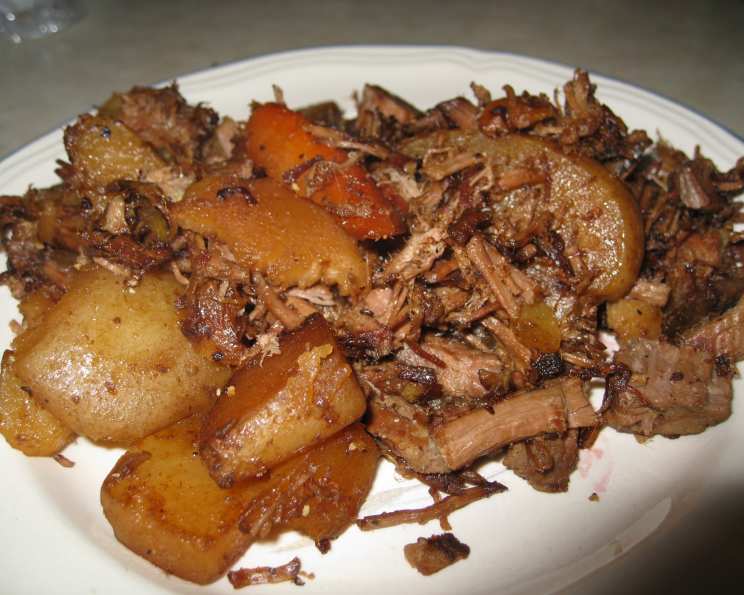
Shredded Roast Beef Hash: A Culinary Comeback for Leftovers
There are certain dishes that, for me, evoke the comforting embrace of home and the magic of transformation. Shredded Roast Beef Hash is one of those culinary marvels. I vividly remember chilly Sunday afternoons, the lingering aroma of a perfectly roasted beef joint still clinging to the air. But the true artistry, my mother would reveal, was in the resurrection of those leftovers. Witnessing humble roast beef and slightly stoic potatoes morph into a symphony of crispy, savory goodness was my earliest lesson in the economics and delight of resourceful cooking. It’s a dish that whispers tales of practicality while shouting the virtues of bold, satisfying flavors, always ensuring no precious morsel goes to waste.
Recipe Overview
- Prep Time: 15 minutes
- Cook Time: 30 minutes
- Total Time: 45 minutes
- Servings: 6
- Yield: Serves 6
- Dietary Type: Adaptable (primarily omnivore)
Ingredients
The beauty of this hash lies in its simplicity and the inherent flavor it derives from perfectly roasted beef. Here’s what you’ll need to bring this classic back to life:
- 2 cups leftover roast beef, slices and small bits, shredded
- 2 cups leftover boiled potatoes, diced
- 2 medium onions, peeled and diced
- 2 tablespoons olive oil
- 1-2 tablespoons Worcestershire sauce (optional, but highly recommended for depth)
- Salt and pepper, to taste
Equipment Needed
For this straightforward yet transformative dish, you won’t need a battalion of specialized gadgets. A sturdy skillet is your primary tool:
- Large skillet (cast iron is ideal for achieving a great crust)
- Spatula or wooden spoon for stirring
Instructions
The process is wonderfully direct, focusing on coaxing the best texture and flavor from your prepared ingredients.
- Begin by heating the olive oil in your large skillet over medium heat.
- Add the diced onions to the hot oil. Sauté them, stirring occasionally, until they become transparent and begin to soften, which should take about 5-7 minutes.
- Introduce the shredded roast beef to the skillet. Continue to cook, stirring and breaking up any clumps, until the pieces of beef start to turn crispy. This process will develop a delightful texture.
- Now, add the diced potatoes to the skillet. It’s crucial to stir constantly at this stage. This will help to prevent the potatoes from becoming gummy or sticking to the bottom of the pan.
- Continue to sauté all the ingredients together – the beef, potatoes, and onions – stirring frequently, until they are all beautifully browned and crunchy. This is where the magic happens, transforming the leftovers into a satisfying meal. This stage will take approximately 15-20 minutes.
- If you are using it, stir in the Worcestershire sauce.
- Finally, season the hash generously with salt and pepper to your personal taste. Give it a final stir to distribute the seasonings evenly.
Expert Tips & Tricks
As a chef, I’ve learned that even the simplest dishes can be elevated with a few thoughtful touches. For this hash, the goal is maximum flavor and delightful texture.
- The Right Roast Beef: For the best results, use roast beef that has been cooked to medium or medium-rare. This will ensure the shredded meat remains tender and flavorful even after crisping. Avoid overly dry or well-done roasts.
- Crisping is Key: Don’t rush the browning process. The crispy edges on the beef and potatoes are what elevate this dish from mere leftovers to a gourmet experience. Allow the ingredients to sit undisturbed in the pan for a minute or two between stirs to encourage browning.
- Potato Perfection: Ensure your boiled potatoes are cooked until just tender, not mushy. Dicing them into uniform, roughly ½-inch cubes will help them cook evenly and achieve a desirable crispy exterior.
- Worcestershire Wisdom: That optional splash of Worcestershire sauce adds an umami depth that complements the richness of the beef beautifully. It’s a secret weapon that punches up the flavor profile significantly.
- Don’t Crowd the Pan: If you have a very large amount of leftovers, consider cooking in batches. Overcrowding the skillet can steam the ingredients rather than allowing them to crisp, compromising the texture you’re aiming for.
Serving & Storage Suggestions
Shredded Roast Beef Hash is incredibly versatile, perfect for a hearty breakfast, a satisfying lunch, or a simple supper.
Serve this glorious hash piping hot. It’s fantastic on its own, allowing the flavors and textures to shine. For a more substantial meal, consider topping it with a perfectly poached or fried egg – the runny yolk creates a luscious sauce that coats every morsel. A side of crisp green salad and warm, crusty rolls makes for a complete and delightful meal, just as the original note suggests.
Leftovers can be stored in an airtight container in the refrigerator for up to 3 days. To reheat, the best method is to place the hash back into a skillet over medium heat. Stir occasionally until heated through and the crispiness has been restored. You can also reheat it in the oven at around 350°F (175°C) for about 10-15 minutes, spread on a baking sheet. Avoid microwaving if you want to preserve that desirable crisp texture.
Nutritional Information
Here’s an approximate breakdown of the nutritional content per serving:
| Nutrient | Amount per Serving | % Daily Value |
|---|---|---|
| Calories | 300-350 kcal | (Varies) |
| Total Fat | 15-20g | (Varies) |
| Saturated Fat | 5-7g | (Varies) |
| Cholesterol | 70-90mg | (Varies) |
| Sodium | 200-400mg | (Varies) |
| Total Carbohydrate | 20-25g | (Varies) |
| Dietary Fiber | 2-3g | (Varies) |
| Sugars | 3-5g | (Varies) |
| Protein | 25-30g | (Varies) |
(Note: Nutritional values are estimates and can vary based on the specific cut of roast beef, potato type, and exact quantities used.)
Variations & Substitutions
While the classic combination of beef and potato is hard to beat, this hash is a forgiving canvas for creativity.
- Root Vegetable Remix: If you have other leftover cooked root vegetables like carrots or parsnips, feel free to dice and add them along with the potatoes. As the original note mentions, grated carrot can be an interesting addition, offering a touch of sweetness.
- Beyond Beef: While beef is quintessential, you could adapt this to leftover shredded pork or chicken. However, the deep, savory flavor of a beef roast truly shines here.
- Herbal Notes: Fresh herbs like parsley or chives, finely chopped and stirred in at the end, can add a burst of freshness and color.
- Spicy Kick: For those who enjoy a little heat, a pinch of red pepper flakes or a dash of your favorite hot sauce can be incorporated during the sautéing process.
FAQs (Frequently Asked Questions)
Q: Can I use fresh beef instead of leftovers for this hash?
A: Yes, you can. You’ll need to cook and shred the beef first, ensuring it’s seasoned well before adding it to the hash. Cooking it until slightly crispy before adding potatoes is key.
Q: What kind of roast beef is best for making hash?
A: A well-seasoned, medium to medium-rare roast beef, like a sirloin, rib roast, or chuck roast, works wonderfully. The residual fat and juices contribute to the overall flavor.
Q: My potatoes are sticking to the pan. What can I do?
A: Ensure you’re using enough olive oil, stirring frequently, and not overcrowding the pan. Letting the potatoes brown undisturbed for a minute or two between stirs can also help prevent sticking.
Q: Is it okay to use raw potatoes?
A: This recipe is designed for leftover boiled potatoes. Using raw potatoes would significantly alter the cooking time and texture, and they wouldn’t soften and brown properly alongside the beef and onions.
Q: Can I make this hash ahead of time?
A: You can prepare the individual components (shred the beef, dice the potatoes and onions) ahead of time. However, the hash is best cooked fresh to achieve optimal crispiness.
Final Thoughts
This Shredded Roast Beef Hash is more than just a recipe; it’s a testament to the art of mindful cooking and the joy of rediscovering flavors. It’s a dish that respects tradition while embracing the present, proving that the most delicious meals can often be born from what we already have. I encourage you to embrace this resourceful approach in your own kitchen. Give it a try, and let the humble ingredients tell their story of delicious transformation. Serve it with your favorite accompaniments, perhaps a crisp Sauvignon Blanc or a robust Amber Ale, and savor the satisfying reward of a dish expertly reborn.