
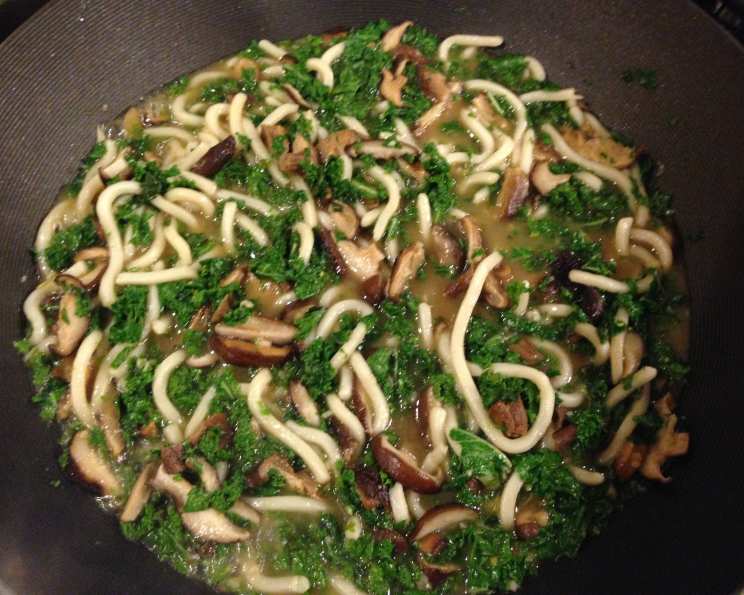
Udon, Shiitake, and Kale in Miso Broth: A Hug in a Bowl
There’s a particular kind of magic that happens when humble ingredients come together to create something truly soul-warming. For me, this Udon, Shiitake, and Kale in Miso Broth dish is that magic personified. I remember the first time I encountered a broth like this, on a blustery autumn evening in a tiny Tokyo noodle shop, the air thick with the savory aroma of dashi and fermentation. It wasn’t just food; it was a moment of profound comfort, a culinary embrace that chased away the chill and nourished me from the inside out. That experience has stayed with me, a delicious reminder that sometimes, the simplest preparations yield the most profound flavors.
Recipe Overview
- Prep Time: 15 minutes
- Cook Time: 20 minutes
- Total Time: 35 minutes
- Servings: 4
- Yield: 4 servings
- Dietary Type: Vegan, Dairy-Free
Ingredients
To craft this comforting bowl, gather these essential components:
- 1/2 pound udon noodles (fresh or dried; if using dried, follow package directions for cooking)
- 2 tablespoons vegetable oil
- 4 ounces shiitake mushrooms, thinly sliced
- 3 garlic cloves, minced
- 2 cups water
- 3 tablespoons miso paste (white or yellow miso for a milder flavor, red miso for a deeper, more robust taste)
- 4 cups kale, chopped (tough stems removed)
- 2 teaspoons soy sauce, plus more to taste for serving
Equipment Needed
- A large pot or Dutch oven for cooking the broth and noodles
- A skillet for sautéing the mushrooms and garlic
- Measuring cups and spoons
- A knife and cutting board
- A whisk for dissolving the miso paste
Instructions
-
Cook the Udon Noodles: Begin by preparing the udon noodles according to their package instructions. If you’re using fresh udon, they typically cook very quickly, often just a few minutes. If using dried, ensure they are cooked to a tender yet slightly firm texture, often referred to as al dente. Once cooked, drain the noodles and set them aside. You can toss them with a tiny bit of vegetable oil to prevent them from sticking together while you prepare the broth.
-
Sauté the Shiitake Mushrooms: Preheat a large skillet over medium-high heat. Add the 2 tablespoons of vegetable oil. Once the oil is shimmering, add the thinly sliced shiitake mushrooms. Sauté them, stirring occasionally, until they are tender and have released their moisture, developing a lovely golden-brown hue. This step is crucial for bringing out their earthy, umami-rich flavor.
-
Add the Garlic: Once the mushrooms have softened, add the 3 minced garlic cloves to the skillet. Sauté the garlic for approximately 1 minute more, until it becomes fragrant. Be careful not to burn the garlic, as this can impart a bitter taste to the broth.
-
Create the Miso Broth Base: In the same skillet with the mushrooms and garlic, add the 2 cups of water and the 3 tablespoons of miso paste. Whisk these ingredients together vigorously until the miso paste is fully dissolved into the water. It’s important to ensure no clumps of miso remain.
-
Simmer and Wilt the Kale: Bring the mixture to a gentle boil over medium heat. Once it begins to bubble, reduce the heat to a simmer. Add the 4 cups of chopped kale to the simmering broth. Stir gently to submerge the kale. Continue to simmer, tossing the mixture occasionally, until the kale wilts down and becomes tender. This usually takes about 3-5 minutes, depending on the thickness of your kale leaves.
-
Combine and Serve: Now, add the cooked and drained udon noodles to the skillet with the broth and kale. Toss everything together gently to ensure the noodles are well coated in the flavorful broth and heated through.
-
Season and Serve: Ladle the udon, shiitake, and kale in miso broth into individual serving bowls. At this point, stir in the 2 teaspoons of soy sauce. Taste the broth and add additional soy sauce to your preference for an extra layer of savory depth. Serve immediately, encouraging your guests to add more soy sauce if they desire.
Expert Tips & Tricks
- Miso Matters: The type of miso you choose will significantly impact the final flavor. White or yellow miso is milder and sweeter, perfect for a delicate broth. Red miso offers a more intense, fermented, and savory taste. Feel free to experiment to find your favorite.
- Don’t Boil the Miso: While we bring the broth to a gentle boil to incorporate the flavors, it’s best to avoid vigorously boiling the miso paste itself. Prolonged high heat can diminish some of its beneficial enzymes and delicate flavor profile. A gentle simmer is ideal.
- Prepping Kale: Ensure you remove the tough, fibrous stems from the kale before chopping. You can either finely chop them or discard them entirely. Baby kale can also be used and will wilt even faster.
- Mushroom Magic: For an even deeper mushroom flavor, consider using a mix of shiitake and other flavorful mushrooms like cremini or king oyster mushrooms.
- Noodle Nuances: If you can find fresh udon noodles, they offer a superior texture – chewy and satisfying. If using dried, opt for high-quality ones.
Serving & Storage Suggestions
This dish is best enjoyed immediately after preparation, when the noodles are perfectly tender and the broth is warm and fragrant. To serve, ladle generous portions into deep bowls, ensuring each serving gets a good amount of noodles, mushrooms, and kale. A drizzle of chili oil or a sprinkle of toasted sesame seeds can add a delightful finishing touch.
Leftovers can be stored in an airtight container in the refrigerator for up to 2 days. The broth may thicken slightly as it cools. To reheat, gently warm the leftovers in a saucepan over low heat, adding a splash of water or vegetable broth if the consistency is too thick. Avoid high heat or prolonged boiling when reheating to preserve the delicate miso flavor.
Nutritional Information
| Nutrient | Amount per Serving | % Daily Value |
|---|---|---|
| Calories | 335.9 | |
| Calories from Fat | ||
| Total Fat | 8.6 g | 13% |
| Saturated Fat | 1.1 g | 5% |
| Cholesterol | 0 mg | 0% |
| Sodium | 1713 mg | 71% |
| Total Carbohydrate | 55.1 g | 18% |
| Dietary Fiber | 5.2 g | 20% |
| Sugars | 1.5 g | 6% |
| Protein | 11.2 g | 22% |
Note: Nutritional values are estimates and can vary based on specific ingredients used.
Variations & Substitutions
- Gluten-Free: For a gluten-free option, substitute the udon noodles with gluten-free rice noodles or shirataki noodles. Ensure your miso paste is also gluten-free.
- Extra Protein: Add silken tofu cubes or pan-fried firm tofu for a more substantial meal. A soft-boiled egg (if not strictly vegan) would also be a welcome addition.
- Vegetable Boost: Feel free to add other quick-cooking vegetables like spinach, bok choy, or thinly sliced carrots to the broth alongside the kale.
- Spicy Kick: For those who enjoy a bit of heat, add a pinch of red pepper flakes to the skillet with the garlic, or serve with a side of sriracha or chili garlic sauce.
FAQs
Q: Can I use different types of mushrooms?
A: Absolutely! While shiitake mushrooms offer a wonderful umami depth, you can also use cremini, oyster, or even a mix of your favorite fungi.
Q: How can I make this broth richer or more flavorful?
A: For an even deeper broth, you can start by making a simple dashi (Japanese stock) by simmering kombu (dried kelp) and dried shiitake mushrooms in water before adding the other ingredients. You can also add a splash of mirin for a touch of sweetness.
Q: What is the best way to dissolve miso paste?
A: The best method is to whisk it with a small amount of warm liquid (like water or broth) in a separate bowl until it forms a smooth paste before adding it to the main pot. This ensures no clumps.
Q: How long does the miso broth last?
A: Miso broth is best consumed fresh, as prolonged cooking can diminish its flavor and beneficial properties. Refrigerated leftovers are good for 1-2 days.
Q: Can I make this dish ahead of time?
A: While the broth components can be prepped, it’s best to cook the udon noodles and wilt the kale just before serving to maintain the best texture. You can prepare the sautéed mushrooms and garlic ahead of time.
Final Thoughts
This Udon, Shiitake, and Kale in Miso Broth is more than just a recipe; it’s an invitation to slow down, savor the moment, and find nourishment in simplicity. It’s the kind of dish that warms you from the inside out, perfect for a chilly evening or whenever you need a comforting culinary hug. Give it a try, experiment with the miso, and let the beautiful flavors of this humble yet exquisite dish envelop you. It pairs wonderfully with a light, crisp green tea or even a dry sake for a truly authentic experience. Enjoy every slurp!