
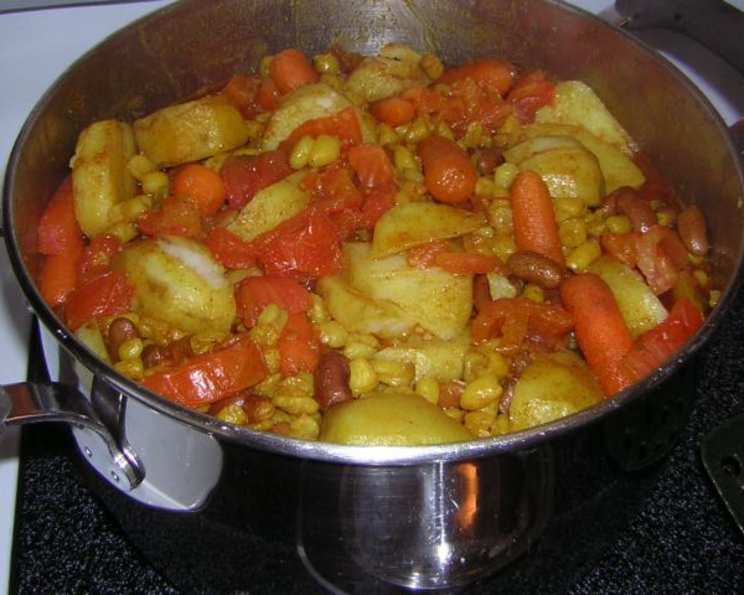
Umqusho: A Taste of South African Comfort
The scent of simmering samp and beans, tinged with warming spices and the rich aroma of slow-cooked meat, is a memory that instantly transports me back to my grandmother’s kitchen in the Eastern Cape. It’s a smell that spoke of love, patience, and the deep satisfaction of a meal made with intention. This Umqusho, a beloved South African staple, is more than just a dish; it’s a culinary embrace, a hearty testament to the comforting power of simple, honest ingredients slowly transformed into something truly magical. My mom, bless her heart, sent me her treasured copy of Carmen Niehaus’s “You Super Winning Recipes” from South Africa, and it was within those pages that I reconnected with this particular Umqusho. Finding samp and beans here wasn’t always easy, but the effort was always rewarded tenfold. While I’ve experimented with chicken and beef, it’s the lamb, particularly the neck, that truly sings in this preparation, its richness beautifully complementing the earthy grain and legumes.
Recipe Overview
- Prep Time: 48 hours (includes soaking)
- Cook Time: Variable (until tender)
- Total Time: 48 hours+
- Servings: 8-10
- Yield: A generous pot of hearty Umqusho
- Dietary Type: Meat-inclusive
Ingredients
This Umqusho is built on a foundation of wholesome grains and legumes, enhanced by aromatic vegetables and the robust flavour of lamb.
- 500 ml samp
- 250 ml speckled sugar beans
- 1 teaspoon salt (for cooking samp and beans)
- 1 teaspoon pepper (for cooking samp and beans)
- 12.5 ml oil
- 2 medium onions, sliced
- 1 medium green pepper, sliced
- 4 cloves fresh garlic, crushed
- 12 pieces mutton neck or 12 pieces lamb, bone-in is ideal for flavour
- 2 medium tomatoes, skinned and chopped
- 6 small potatoes, peeled
- 100 g carrots (optional, see notes in instructions)
- 15 ml curry powder
- 25 ml turmeric
- 1 chicken stock cube, dissolved in 500 ml boiling water
Equipment Needed
While this dish doesn’t require overly specialized equipment, a few key items will make the process smoother:
- Large saucepan or pot for soaking and cooking samp and beans
- Heavy-based saucepan or large pot with a lid for the main stew
- Sharp knife and cutting board for preparing vegetables and meat
- Measuring cups and spoons
- Wooden spoon or spatula for stirring
Instructions
The soul of Umqusho lies in the patient cooking of the samp and beans, followed by the slow melding of flavours in the stew.
- Soaking the Samp and Beans: Begin by placing the samp and speckled sugar beans in a large bowl. Cover them generously with cold water. Allow them to soak overnight, or for at least 12 hours. This crucial step rehydrates the grains and beans, significantly reducing their cooking time and ensuring a tender result.
- Cooking the Samp and Beans: Drain the soaked samp and beans thoroughly. Transfer them to a heavy-based saucepan. Add approximately 1 litre of fresh water, ensuring the grains and beans are well covered. Bring to a boil, then reduce the heat to low, cover, and simmer until the samp and beans are tender. This can take several hours, so patience is key. Stir occasionally to prevent sticking and add more water if needed to keep them moist. Once tender, season with 1 teaspoon of salt and 1 teaspoon of pepper.
- Sautéing the Aromatics: While the samp and beans are cooking, or once they are tender, begin the stew base. Heat the oil in a large, heavy-based saucepan or pot over medium heat. Add the sliced onions and green pepper, and sauté until they are softened and translucent, about 5-7 minutes. Stir in the crushed garlic and cook for another minute until fragrant, being careful not to burn it.
- Preparing and Adding the Meat: Season the mutton neck or lamb pieces generously with salt and pepper. Add the seasoned meat to the saucepan with the sautéed vegetables. Brown the meat on all sides over medium-high heat. This searing process locks in juices and builds a flavourful foundation for the stew.
- Layering the Vegetables: Once the meat is browned, arrange the skinned and chopped tomatoes and peeled potatoes on top of the meat. (Note: If you are using the carrots, peel and chop them into bite-sized pieces and add them now. I often omit them if family preferences dictate, but they add a lovely sweetness and colour.)
- Building the Broth: In a separate bowl, combine the curry powder and turmeric with the chicken stock cube that has been dissolved in 500 ml of boiling water. Stir well to ensure the stock cube is fully dissolved and the spices are incorporated.
- Simmering the Stew: Pour this spiced stock mixture over the meat and vegetables in the saucepan. Bring the liquid to a gentle simmer.
- Slow Cooking to Tenderness: Reduce the heat to low, cover the saucepan with a tight-fitting lid, and let the stew simmer slowly. Cook until the meat is exceptionally tender and falling off the bone. This can take anywhere from 1.5 to 3 hours, depending on the cut of meat and your stove. Stir occasionally, and add extra water, salt, and pepper as needed to maintain a desirable consistency and flavour balance.
- Combining for the Final Dish: Once the meat is tender and the stew has developed a rich, flavourful gravy, gently stir in the cooked samp and beans. Cook for another 15-20 minutes, uncovered, allowing the flavours to meld and the dish to thicken slightly.
Expert Tips & Tricks
- The Soak is Non-Negotiable: Don’t be tempted to skip or shorten the soaking time for the samp and beans. It’s essential for both digestibility and texture. If you forget to soak, you can do a quick soak by boiling the samp and beans for about 10 minutes, then letting them sit in the hot water for at least an hour before draining and proceeding.
- Bone-In for Maximum Flavour: Opting for bone-in cuts like mutton neck or lamb shanks will yield a far richer and more complex flavour profile for your Umqusho. The marrow from the bones infuses the stew beautifully.
- Low and Slow is the Way to Go: The key to tender meat and a deeply flavourful stew is slow simmering. Resist the urge to rush the process. A gentle simmer over low heat allows the flavours to develop and the meat to become melt-in-your-mouth tender.
- Taste and Adjust: Throughout the cooking process, and especially towards the end, don’t be afraid to taste and adjust the seasoning. The balance of salt, pepper, and spices is personal, so tailor it to your preference.
- Thickening the Gravy: If you prefer a thicker gravy, you can uncover the pot during the last 20-30 minutes of cooking to allow some of the liquid to evaporate. Alternatively, you can mash a few of the cooked potatoes against the side of the pot to release their starch and help thicken the stew naturally.
Serving & Storage Suggestions
Umqusho is a complete meal in itself, a hearty and satisfying dish that’s perfect for a comforting lunch or a family dinner.
Serve hot, ladled generously into bowls. It’s traditionally enjoyed as is, allowing the rich flavours of the meat, samp, beans, and spices to shine. A dollop of sour cream or a sprinkle of fresh coriander can add a delightful fresh counterpoint, though it’s rarely needed for this flavourful dish.
Leftovers can be stored in an airtight container in the refrigerator for up to 3-4 days. The flavours often deepen and improve with a day or two of resting. To reheat, gently warm on the stovetop over low heat, adding a splash of water or stock if it seems too thick. Umqusho also freezes beautifully; portion it into freezer-safe containers and freeze for up to 3 months. Thaw overnight in the refrigerator before reheating.
Nutritional Information
(Please note: This is an estimated nutritional breakdown and can vary based on specific ingredients and portion sizes.)
| Nutrient | Amount per Serving | % Daily Value |
|---|---|---|
| Calories | 149.2 kcal | |
| Calories from Fat | ||
| Total Fat | 2 g | 3% |
| Saturated Fat | 0.3 g | 1% |
| Cholesterol | 0.1 mg | 0% |
| Sodium | 458.8 mg | 19% |
| Total Carbohydrate | 30.7 g | 10% |
| Dietary Fiber | 4.9 g | 19% |
| Sugars | 4.2 g | 16% |
| Protein | 3.8 g | 7% |
Variations & Substitutions
While the classic lamb Umqusho is superb, here are a few ideas for playful variations:
- Vegetarian Umqusho: For a meat-free option, omit the lamb and beef. Increase the quantity of potatoes and carrots, and consider adding other robust vegetables like butternut squash or sweet potatoes. A vegetable stock cube can be used instead of chicken stock.
- Spicier Kick: If you enjoy a bit more heat, add a chopped fresh chili or a pinch of cayenne pepper along with the curry powder and turmeric.
- Different Meats: While lamb is my preference, beef shin or even pork belly would also work wonderfully, requiring a similar slow cooking time to achieve tenderness.
- Creamy Finish: For an extra layer of richness, a swirl of full-fat coconut milk stirred in during the last 15 minutes of cooking can be a delicious addition, though not traditional.
FAQs
Q: How long do the samp and beans need to soak?
A: They require overnight soaking, or at least 12 hours, to rehydrate properly and ensure they cook to a tender consistency.
Q: Can I use canned beans instead of dried speckled sugar beans?
A: While dried beans offer the best texture and flavour for traditional Umqusho, you can use canned speckled sugar beans if time is short. Rinse them well and add them during the last 30 minutes of cooking to heat through and absorb the flavours.
Q: What can I do if my Umqusho is too watery?
A: If the stew is too thin, simply remove the lid and let it simmer gently over medium heat for the last 20-30 minutes. This will allow excess liquid to evaporate and the sauce to thicken. You can also mash some of the potatoes against the side of the pot to release their starch.
Q: Is Umqusho best served immediately after cooking?
A: Umqusho is delicious served fresh, but many find the flavours meld and deepen beautifully when left to sit for a few hours or even overnight. Gently reheating is recommended.
Q: Can I make Umqusho ahead of time?
A: Absolutely! Umqusho is an excellent make-ahead dish. Prepare it fully, let it cool, then store it in airtight containers in the refrigerator for up to 4 days or freeze for longer storage.
Final Thoughts
Umqusho is a dish that nourishes not just the body, but the soul. It’s a reminder of the beauty in simple ingredients, the rewards of patience, and the deep connection that food can foster. I encourage you to embrace the process, to savour the aromas that will fill your kitchen, and to share this comforting taste of South Africa with those you love. Perhaps serve it with a crisp, dry white wine or a robust red, or simply enjoy it on its own, a testament to tradition and flavour. I’d be delighted to hear about your Umqusho adventures!