
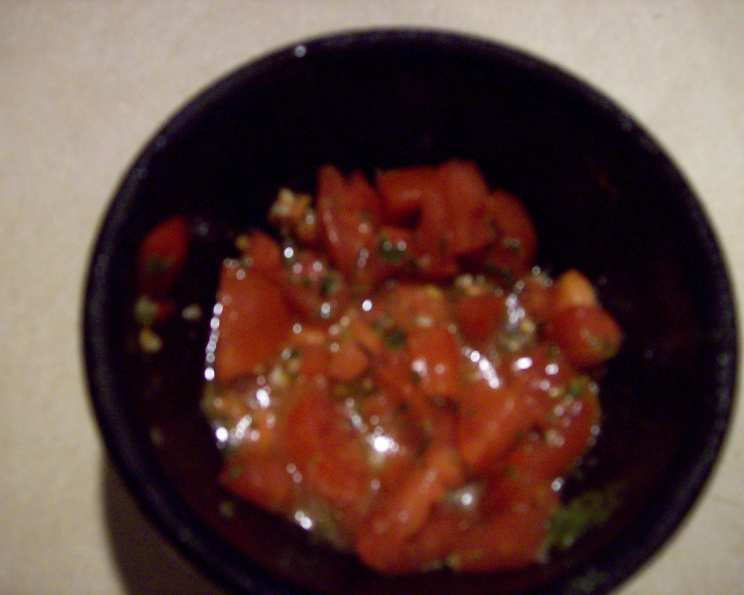
The Sunshine in a Bowl: My Uncooked Tomato Sauce Revelation
There’s a particular scent that, for me, instantly transports me back to sun-drenched afternoons in my grandmother’s garden. It’s the raw, vibrant perfume of ripe tomatoes, not yet kissed by heat, mingling with the sharp, green notes of fresh basil. This uncooked tomato sauce, a humble yet profoundly flavorful dish adapted from Mary Ellen Esposito’s Ciao Italia Pronto, is that scent captured in a bowl. It’s the taste of pure, unadulterated summer, a testament to the magic that happens when the simplest, highest-quality ingredients are treated with respect. I’ve often found myself reaching for this recipe when I want something quick, utterly refreshing, and bursting with authentic Italian flavor, most typically as the perfect topping for crispy bruschetta.
Recipe Overview
- Prep Time: 10 minutes
- Cook Time: 0 minutes (no cooking required!)
- Total Time: 10 minutes (plus resting time)
- Servings: 4-6 (as a topping or condiment)
- Yields: About 2 cups
- Dietary Type: Vegan, Gluten-Free, Dairy-Free
Ingredients
This sauce thrives on the quality of its components. For the best results, seek out the ripest, most flavorful tomatoes you can find.
- 4-5 ripe plum tomatoes (or 1 pint of cherry or grape tomatoes) – The sweetness and acidity of these varieties work beautifully here.
- 1/4 cup extra virgin olive oil – A good quality, fruity olive oil is essential for both flavor and texture.
- 2 garlic cloves, minced – Fresh garlic provides a pungent kick that balances the sweetness of the tomatoes.
- 7 large basil leaves, thinly sliced (chiffonade) – The aromatic star of the show.
- 1/4 cup flat-leaf parsley, finely chopped – Adds a fresh, slightly peppery herbaceous note.
- 1/2 teaspoon salt – Crucial for enhancing all the other flavors.
- Freshly ground black pepper, to taste – For a touch of warmth and complexity.
- Sugar (optional, use up to 1 teaspoon) – This is a secret weapon for those times when winter tomatoes lack their usual sweetness. It’s a gentle nudge to bring out their best.
Equipment Needed
The beauty of this recipe lies in its simplicity, requiring minimal equipment.
- Sharp knife for dicing and mincing.
- Cutting board.
- Medium-sized bowl for mixing.
- Measuring cups and spoons.
Instructions
The process is as straightforward as it gets, allowing the ingredients to speak for themselves. The key is to let it rest, allowing the flavors to meld and deepen.
- Begin by preparing your tomatoes. If using plum tomatoes, dice them into small, bite-sized pieces. If you opt for cherry or grape tomatoes, simply halve them. Place the prepared tomatoes into a medium-sized bowl.
- Add the extra virgin olive oil to the bowl with the tomatoes.
- Next, add the minced garlic cloves to the bowl.
- Prepare your fresh herbs by thinly slicing the basil leaves into a chiffonade and finely chopping the flat-leaf parsley. Add both to the bowl.
- Season the mixture generously with salt and freshly ground black pepper.
- If your tomatoes are not particularly sweet, or if you’re using them in the cooler months when their flavor can be a bit muted, you can add up to 1 teaspoon of sugar. This is optional but can significantly enhance the overall taste.
- Gently stir all the ingredients together until everything is well combined.
- The most crucial step: cover the bowl and allow the sauce to sit at room temperature for at least a few hours before serving. This resting period is essential. It allows the flavors to marry, the salt to draw out some of the tomato’s natural juices, and the garlic to infuse the oil and tomatoes without becoming overpowering. The longer it rests (within reason, of course), the more complex and delicious it will become.
Expert Tips & Tricks
To elevate this simple sauce from good to truly spectacular, consider these chef-inspired insights:
- Tomato Quality is Paramount: I cannot stress this enough. Use the best tomatoes you can find. Heirloom varieties, sun-ripened Roma, or even very ripe, flavorful cherry tomatoes will shine. If your tomatoes are watery, you might want to gently scoop out some of the seeds and watery pulp before dicing to prevent the sauce from becoming too thin.
- The Power of Rest: Don’t rush the resting period. I often make this sauce in the morning and let it sit until lunchtime or even early evening. The transformation in flavor is remarkable.
- Garlic Nuance: If you prefer a milder garlic flavor, you can lightly smash the garlic cloves instead of mincing them, then remove them before serving. Alternatively, you can very lightly “bloom” the minced garlic in the olive oil for just 30 seconds over low heat before adding it to the bowl, but this technically moves it away from being strictly “uncooked.” For this recipe, raw minced garlic is traditional and fantastic.
- Herb Freshness: Always use fresh basil and parsley. Dried herbs simply won’t provide the same vibrant, aromatic lift that this sauce demands.
- A Touch of Acidity: A tiny splash of good quality balsamic vinegar, added just before serving, can also add a delightful layer of complexity, though it’s not part of the original recipe.
Serving & Storage Suggestions
This versatile uncooked tomato sauce is a champion in its own right, but here are a few ways to showcase it:
- Bruschetta Bliss: This is my go-to. Toast slices of crusty bread until golden brown, rub them with a clove of garlic (optional, but recommended!), drizzle with a little olive oil, and then generously spoon this vibrant tomato mixture over the top. A sprinkle of sea salt and a final drizzle of olive oil is all you need.
- Pasta Perfection: Toss this sauce with warm pasta (spaghetti, linguine, or even a short pasta like penne) for a light and incredibly fresh pasta dish. The residual heat from the pasta will slightly warm the sauce, releasing even more of its aroma.
- Sandwich and Salad Enhancer: Dollop it onto grilled chicken or fish, or use it as a zesty topping for sandwiches and wraps. It’s also wonderful stirred into a fresh mozzarella salad or alongside burrata.
- Storage: This sauce is best enjoyed fresh. However, if you have leftovers, store them in an airtight container in the refrigerator for 2-3 days. The flavors will continue to develop, but the texture of the tomatoes might soften slightly. It does not freeze well, as the texture of the tomatoes will change significantly upon thawing.
Nutritional Information
This uncooked sauce is remarkably light and packed with fresh flavors. Please note that these are approximate values and can vary based on the exact size and ripeness of your tomatoes and the type of olive oil used.
| Nutrient | Amount per Serving (approx. 1/4 cup) | % Daily Value |
|---|---|---|
| Calories | 150 – 180 kcal | 8% – 9% |
| Total Fat | 12 – 15 g | 15% – 19% |
| Saturated Fat | 1.5 – 2 g | 8% – 10% |
| Cholesterol | 0 mg | 0% |
| Sodium | 250 – 350 mg | 11% – 15% |
| Total Carbohydrate | 5 – 8 g | 2% – 3% |
| Dietary Fiber | 1 – 2 g | 4% – 8% |
| Sugars | 3 – 5 g | 6% – 10% |
| Protein | 1 – 2 g | 2% – 4% |
| Vitamin C | Varies (high) | Varies |
| Vitamin A | Varies (good source) | Varies |
Note: The Daily Value (%DV) is based on a 2,000-calorie diet. Your daily values may be higher or lower depending on your calorie needs.
Variations & Substitutions
While the original recipe is perfection in its simplicity, here are a few ways to put your personal spin on it:
- A Hint of Heat: For those who love a little spice, finely mince a small amount of red chili pepper or add a pinch of red pepper flakes to the mixture.
- Citrus Zest: A touch of lemon or lime zest, added just before serving, can add a bright, unexpected note.
- Olives and Capers: For a more briny, Mediterranean feel, finely chopped Kalamata olives or capers can be a delightful addition.
- Different Herbs: While basil and parsley are classic, consider adding a whisper of fresh oregano or mint for a different aromatic profile.
FAQs (Frequently Asked Questions)
Q: Why does this sauce need to sit for hours?
A: Resting allows the flavors to meld and deepen, the salt to draw out juices, and the garlic to infuse without becoming harsh, resulting in a much more complex and satisfying taste.
Q: Can I use canned tomatoes for this recipe?
A: While you can use canned tomatoes, this uncooked sauce is truly meant to showcase the bright, fresh flavor of ripe, seasonal tomatoes. Canned tomatoes often have a different texture and a cooked flavor that won’t yield the same vibrant result.
Q: How do I know if my tomatoes are ripe enough?
A: Ripe tomatoes will be slightly soft to the touch, have a vibrant color (depending on the variety, of course), and emit a sweet, tomatoey aroma.
Q: Can I make this sauce ahead of time and freeze it?
A: It’s not recommended to freeze this sauce. Freezing can alter the texture of the fresh tomatoes, making them watery and mushy upon thawing. It’s best enjoyed within a few days of preparation when refrigerated.
Q: Is it okay to use pre-minced garlic from a jar?
A: For the best flavor, always opt for fresh garlic cloves. Jarred garlic can have a slightly metallic or off-flavor that detracts from the freshness of this simple sauce.
Final Thoughts
This uncooked tomato sauce is more than just a recipe; it’s an invitation to savor the pure, unadulterated taste of fresh ingredients. It’s a reminder that sometimes, the most profound culinary experiences come from the simplest of preparations, allowing nature’s bounty to take center stage. I encourage you to try it, to taste the sunshine, and to perhaps create your own delicious memories around this vibrant bowl of goodness. Let me know how you enjoy it – perhaps alongside a crisp glass of Vermentino or a light, summery Rosé. Buon appetito!