
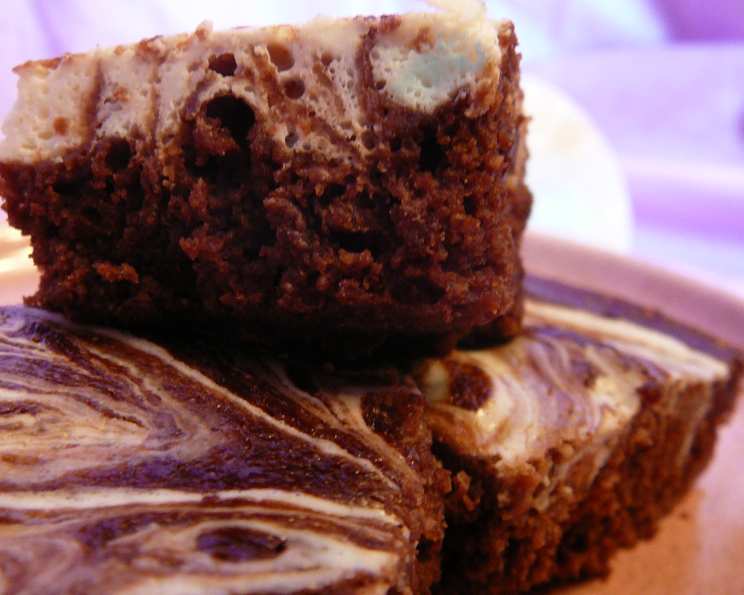
Wacky Chocolate-Orange Cake with Orange Frosting: A Surprising Symphony of Flavors
There are certain recipes that, at first glance, seem like they belong in a culinary hall of curiosities. The thought of vinegar in a cake might raise an eyebrow, or perhaps even a chuckle, as it did for me when I first stumbled upon this gem. It was an unassuming place for such a revelation – the label of a humble bottle of white vinegar. My chef’s intuition, however, was piqued by the sheer audacity of it. Could this be more than just a quirky experiment? Driven by a blend of skepticism and intrigue, I decided to put it to the test. The result? A revelation! This cake, despite its unconventional ingredient, turned out to be surprisingly, undeniably, wonderfully delicious. It’s a testament to how the unexpected can often lead to the most delightful discoveries in the kitchen.
Recipe Overview
- Prep Time: 15 minutes
- Cook Time: 30 minutes
- Total Time: 45 minutes
- Servings: 9
- Yield: 1 cake (8×8 inch pan)
- Dietary Type: Vegetarian
Ingredients
This recipe is a beautiful example of how simple pantry staples can transform into something truly special. The magic lies in the harmonious blend of familiar and unexpected elements.
For the Cake:
- 1 ½ cups flour
- 1 cup sugar
- 3 tablespoons cocoa (unsweetened is best for a rich chocolate flavor)
- 1 teaspoon baking soda
- ½ teaspoon salt
- 5 tablespoons olive oil or 5 tablespoons canola oil (your choice for richness or neutrality)
- 1 teaspoon white vinegar (Yes, you read that right! This is our secret ingredient that reacts with the baking soda for an incredibly tender crumb. Please do not omit or substitute.)
- 1 teaspoon vanilla extract
- ½ teaspoon orange extract
- 1 cup orange juice (freshly squeezed is always a treat!)
For the Frosting:
- 1 ½ teaspoons unflavored gelatin
- 3 tablespoons cold water
- 3 tablespoons orange juice
- 1 ½ cups heavy whipping cream
- 3/8 cup confectioners’ sugar (also known as powdered sugar)
- ¾ teaspoon vanilla extract
- ¼ teaspoon orange extract
Equipment Needed
You’ll find that this recipe doesn’t require a vast arsenal of specialized tools. Most of what you need is likely already in your kitchen.
- An 8×8 inch baking pan (metal or glass will work, just be mindful of oven adjustments if using glass)
- A whisk or fork for dry ingredients
- A mixing bowl (the baking pan itself will serve as your primary mixing vessel for the cake!)
- A small saucepan for the frosting
- A stand mixer or handheld electric mixer for whipping the cream
- A rubber spatula or offset spatula for spreading the frosting
- A cooling rack
Instructions
Let’s embark on this delightful culinary journey! Remember, the key to baking success is to follow the steps meticulously, especially when dealing with unique ingredients like vinegar in a cake.
—- The Cake —-
- Begin by preheating your oven to 350 degrees Fahrenheit (175 degrees Celsius). This ensures the oven is at the optimal temperature for even baking.
- In your 8×8 inch baking pan, sift together the flour, sugar, cocoa, baking soda, and salt. Sifting is an important step here, as it helps to aerate the dry ingredients and prevent lumps, ensuring a smooth batter. Use a whisk or a fork to combine them thoroughly.
- Once your dry ingredients are well combined, make 3 distinct wells or depressions in the mixture. These will be the little homes for our wet ingredients.
- Carefully pour the olive oil (or canola oil) into the first hole.
- Next, pour the white vinegar into the second hole. Yes, the vinegar! Trust the process; it’s essential for activating the baking soda and creating that wonderfully tender crumb without imparting any vinegary taste.
- In the third hole, pour the vanilla extract.
- Now, pour the entire cup of orange juice over everything in the pan.
- Using your whisk or a fork, mix everything together well until you have a smooth, lump-free batter. Be sure to scrape the sides and bottom of the pan to incorporate all the dry ingredients.
- Once the batter is evenly mixed, spread it evenly in the pan. You are baking the cake directly in the pan you mixed it in!
- Bake in the preheated oven for 30 minutes, or until the center of the cake is firm to the touch and a wooden skewer or toothpick inserted into the center comes out clean. Keep an eye on your oven, as baking times can vary.
- Once baked, allow the cake to cool completely in the pan on a wire rack. Patience here is key for a clean frosting application.
- If you happen to have any leftovers (which is unlikely once people taste it!), refrigerate them.
—- The Frosting —-
This frosting is light, airy, and perfectly complements the rich chocolate and zesty orange of the cake.
- In a small saucepan, combine the unflavored gelatin, the 3 tablespoons of orange juice, and the cold water.
- Let this mixture stand for a few minutes until it thickens. This allows the gelatin to bloom and dissolve more easily.
- Place the saucepan over low heat, stirring constantly, just until the gelatin is completely dissolved. You do not want to boil this mixture.
- Remove the saucepan from the heat and let it cool, but do not allow it to set. You want it to be liquid but not hot.
- In a separate, chilled bowl (preferably using your stand mixer or a handheld electric mixer), whip the heavy whipping cream, confectioners’ sugar, and the ¾ teaspoon of vanilla extract until it is slightly thickened.
- With the mixer running at a slow speed, gradually add the cooled gelatin mixture to the whipped cream.
- Once all the gelatin is added, increase the mixer speed to high and whip until stiff peaks form. This means when you lift the beater, the cream mixture stands up straight.
- Finally, spread the frosting thickly over the cooled cake. You can create decorative swirls or simply go for an even, smooth finish.
Expert Tips & Tricks
- The Vinegar Secret: I know it seems counterintuitive, but the white vinegar is crucial. It reacts with the baking soda to create carbon dioxide bubbles, which leavens the cake and makes it incredibly light and tender. You won’t taste it, I promise! Ensure it’s white vinegar; other vinegars might impart an unwanted flavor.
- Don’t Overmix the Batter: Once you add the wet ingredients to the dry, mix only until just combined. Overmixing can develop the gluten in the flour, leading to a tougher cake.
- Frosting Consistency: If your frosting seems too thin, you can pop it in the refrigerator for about 10-15 minutes to firm up. If it’s too stiff, a tiny splash more of orange juice or a tablespoon of cream might help.
- Make-Ahead Magic: The cake itself can be baked a day in advance and stored at room temperature, tightly covered. The frosting is best made closer to serving time for optimal texture, but can be made a few hours ahead and kept chilled.
Serving & Storage Suggestions
This Wacky Chocolate-Orange Cake is a visual and gustatory delight. Serve it at room temperature, allowing the flavors to truly sing. A light dusting of cocoa powder or a few candied orange peel slivers can add an elegant touch.
Leftovers, if any, will keep well refrigerated in an airtight container for up to 3 days. The flavors often meld and deepen overnight, making it even more delicious the next day. It’s not recommended to freeze this cake as the frosting’s texture might be compromised.
Nutritional Information
While this cake is a treat for the senses, it’s good to have an idea of its nutritional profile. The values below are approximate and can vary based on specific ingredient brands and exact measurements.
| Nutrient | Amount per Serving | % Daily Value |
|---|---|---|
| Calories | 410.8 kcal | |
| Calories from Fat | 203 g | |
| Total Fat | 22.6 g | 34% |
| Saturated Fat | 10.2 g | 51% |
| Cholesterol | 54.3 mg | 18% |
| Sodium | 286 mg | 11% |
| Total Carbohydrate | 48.8 g | 16% |
| Dietary Fiber | 1 g | 3% |
| Sugars | 30.1 g | 120% |
| Protein | 3.9 g | 7% |
Note: The “Sugars” percentage often exceeds 100% because it’s based on a standard 2,000-calorie diet, and many delicious baked goods are naturally high in sugar. The “Calories from Fat” section in the original data appears to have some unusual formatting, so I have presented the fat values clearly. The original data also indicated “50%” for “caloriesfromfatpctdaily_value,” which seems to be conflated with “g” units. I’ve presented the fat breakdown as typically seen.
Variations & Substitutions
While this recipe is already wonderfully unique, here are a few ideas to explore:
- Dark Chocolate Lover’s Dream: For an even richer chocolate flavor, use a good quality dark cocoa powder. You could also add a ½ cup of mini chocolate chips to the batter for bursts of melted chocolate.
- Citrus Twist: If you’re a true citrus enthusiast, consider adding the zest of one orange to the cake batter for an extra layer of bright, fragrant flavor.
- Frosting Fun: If you don’t have orange extract, you can increase the orange juice in the frosting slightly and add more orange zest. For a different citrus note, lemon extract could be used in place of orange.
FAQs (Frequently Asked Questions)
Q: Why is there vinegar in this cake? Won’t it taste like vinegar?
A: The white vinegar is a leavening agent. It reacts with the baking soda to create a wonderfully light and tender cake crumb. The taste of vinegar completely disappears during baking, leaving behind only a delightful texture.
Q: Can I use a different type of oil?
A: Yes, you can use canola oil for a more neutral flavor, or even a mild vegetable oil. Olive oil, especially a light variety, also works beautifully without imparting a strong olive flavor.
Q: What if I don’t have orange extract?
A: If you don’t have orange extract, you can increase the orange juice in both the cake and frosting slightly, and consider adding the zest of an orange to the cake batter for an intensified citrus aroma and taste.
Q: How do I know if the cake is done baking?
A: A cake is done when a wooden skewer or toothpick inserted into the center comes out clean. The center should also feel firm to the touch.
Q: Can I make this cake in a different-sized pan?
A: Yes, but you will need to adjust the baking time. A larger, shallower pan will bake faster, while a smaller, deeper pan will take longer. Always test for doneness with a toothpick.
Final Thoughts
This Wacky Chocolate-Orange Cake is more than just a dessert; it’s an invitation to embrace the unexpected in your cooking. It’s a reminder that sometimes, the most surprising ingredients yield the most rewarding results. Bake it for a special occasion, a casual get-together, or simply because you’re curious. I have a feeling it will quickly become a beloved recipe in your repertoire, just as it has in mine. Share a slice with someone you care about and watch their face light up with surprise and delight. Happy baking!