
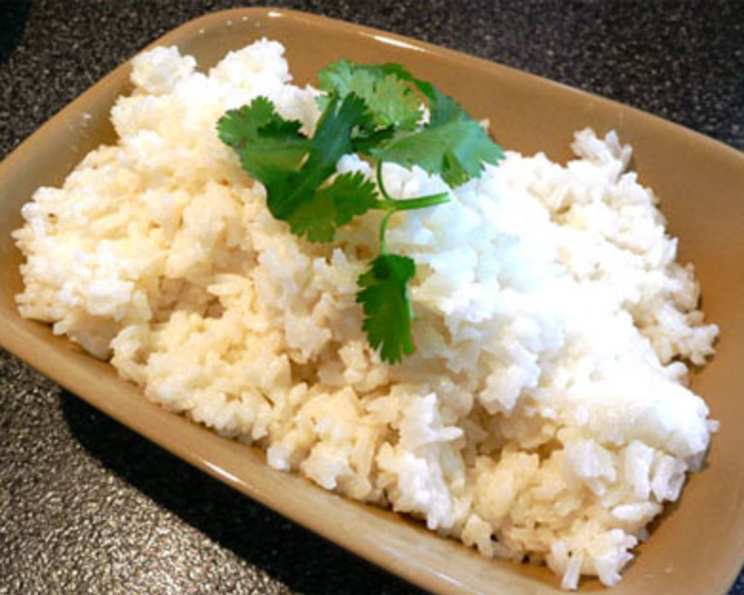
Wali: The Heartwarming Embrace of Kenyan Coconut Rice
The scent of simmering coconut milk, fragrant and slightly sweet, always transports me back to my childhood. I remember visiting a family friend’s home in Nairobi, where the aroma of Wali was already wafting from the kitchen as we arrived. It wasn’t just food; it was an invitation, a promise of comfort and togetherness. That first bite, the tender grains of rice infused with the creamy essence of coconut, was pure magic. It was simple, unpretentious, and utterly delicious – a testament to how a few humble ingredients, prepared with care, can create something truly extraordinary. This Kenyan coconut rice, Wali, is more than a dish; it’s a warm hug, a culinary homecoming that I’m thrilled to share with you.
Recipe Overview
- Prep Time: 15 minutes
- Cook Time: 20-25 minutes
- Total Time: 35-40 minutes
- Servings: 6
- Yield: Serves 6
- Dietary Type: Dairy-Free, Vegan
Ingredients
- 2 cups rice, washed and drained
- 2 teaspoons salt
- 500 ml coconut milk
- 500 ml water
- 2 tablespoons coconut milk, extra (for finishing)
Equipment Needed
- Medium-sized saucepan with a tight-fitting lid
- Fork
Instructions
- Begin by preparing your rice. It is crucial to wash the rice thoroughly under cool running water until the water runs clear. This removes excess starch, preventing the rice from becoming clumpy and ensuring each grain remains distinct. Once washed, drain the rice very well.
- In a medium-sized saucepan, combine the washed and drained rice, the salt, the 500 ml of coconut milk, and the 500 ml of water.
- Place the saucepan over medium heat. Stir the ingredients occasionally as the mixture begins to heat up, ensuring the salt dissolves and the ingredients are well combined.
- Bring the mixture to a boil. Once it reaches a rolling boil, it’s time to reduce the heat.
- Immediately reduce the heat to low, ensuring the liquid is just simmering very gently. This is key to cooking the rice perfectly without burning or drying it out.
- Cover the saucepan tightly with a lid. This traps the steam, which is essential for cooking the rice evenly and making it tender.
- Allow the rice to simmer very gently for approximately 20 to 25 minutes. Resist the urge to lift the lid frequently, as this will release the steam and disrupt the cooking process. The rice should absorb all the liquid and become tender during this time.
- Once the rice is cooked and the liquid has been absorbed, remove the saucepan from the heat. Let it rest, covered, for a few minutes before proceeding.
- Just before serving, gently stir in the extra 2 tablespoons of coconut milk. This adds an extra layer of creaminess and a subtle boost of coconut flavor.
- Use a fork to fluff up the rice. It is imperative to use a fork and not a spoon. A fork will gently separate the grains, keeping them light and fluffy. Using a spoon can mash the rice, resulting in a sticky, unpleasant texture.
- Serve the Wali immediately. It is traditionally served as a delicious accompaniment to beef or chicken stew, and alongside your favorite vegetables.
Expert Tips & Tricks
Achieving the perfect Wali is all about embracing simplicity and respecting the ingredients. For an even richer coconut flavor, consider using freshly pressed coconut milk if you can find it – it offers a depth that canned versions can’t quite replicate. When washing your rice, don’t be shy; keep rinsing until the water is crystal clear. This step is non-negotiable for beautifully separated grains. And that final fluffing with a fork? It’s not just a suggestion; it’s the secret to preventing mushy rice and achieving that delightful, light texture that makes Wali so beloved. If you find your rice is still a little firm after the initial cooking time, and all the liquid has been absorbed, you can add a tablespoon or two of hot water, cover, and let it steam for a few more minutes.
Serving & Storage Suggestions
Wali is a wonderfully versatile side dish. It shines brightest when served hot, its creamy aroma enticing diners before the first bite. It pairs exceptionally well with hearty stews – think a rich beef curry, a flavorful chicken stew, or even a spicy lentil dish for a vegetarian option. For a complete Kenyan experience, accompany it with a side of sautéed greens like kales (sukuma wiki) or spinach, and perhaps some fried plantains.
Leftover Wali can be stored in an airtight container in the refrigerator for up to 2 days. To reheat, gently warm it in a saucepan over low heat with a splash of water or a little extra coconut milk to restore its moisture and creaminess. Alternatively, microwave it until heated through, again adding a touch of liquid if needed. It’s important to note that the texture can change slightly upon reheating, so it’s best enjoyed fresh.
Nutritional Information
| Nutrient | Amount per Serving (Estimated) | % Daily Value |
|---|---|---|
| Calories | 410.4 kcal | N/A |
| Calories from Fat | 73 kcal | N/A |
| Total Fat | 8.1 g | 10% |
| Saturated Fat | 7.0 g | 35% |
| Cholesterol | 0 mg | 0% |
| Sodium | 790 mg | 32% |
| Total Carbohydrate | 77.2 g | 26% |
| Dietary Fiber | 0.9 g | 3% |
| Sugars | 0 g | 0% |
| Protein | 6.1 g | 12% |
Note: Nutritional information is an estimate and can vary based on specific ingredients and preparation methods.
Variations & Substitutions
While this recipe is beautiful in its simplicity, you can certainly explore variations. For an added depth of flavor, a pinch of ground cardamom or a small, finely minced piece of fresh ginger can be added to the pot along with the rice and liquids. Some families also enjoy adding a bay leaf during the simmering process, which imparts a subtle, aromatic complexity. If you’re looking for a slightly sweeter profile, a teaspoon of sugar can be added, though this is not traditional. For those who prefer to avoid dairy completely, ensure your chosen coconut milk is unsweetened and free from any additives.
FAQs
Q: Why is it important to wash the rice before cooking?
A: Washing the rice removes excess surface starch, which prevents the grains from clumping together during cooking, ensuring a fluffy and separated texture.
Q: Can I use a different type of rice?
A: While long-grain white rice is traditional and yields the best results for this dish, you can experiment with basmati rice, which will also cook beautifully. Avoid short-grain or sticky rice varieties, as they will produce a different texture.
Q: My rice seems a bit dry after 25 minutes. What should I do?
A: If all the liquid has been absorbed but the rice is still slightly firm, add 1-2 tablespoons of hot water or coconut milk, cover tightly again, and let it steam on very low heat for an additional 5-7 minutes.
Q: Can I make Wali ahead of time?
A: Wali is best enjoyed fresh, but leftovers can be stored in the refrigerator. Reheat gently with a little extra liquid to restore moisture, though the texture may be slightly softer than when freshly made.
Q: What’s the best way to ensure the coconut milk doesn’t separate?
A: Ensure the coconut milk is well-shaken before measuring. Cooking over gentle heat and stirring occasionally during the initial boil helps to emulsify it into the rice and water mixture.
Final Thoughts
There’s a profound comfort in a dish like Wali that speaks of home, tradition, and simple pleasures. It’s a reminder that the most satisfying meals often come from the most straightforward ingredients, prepared with intention and love. I encourage you to try this Kenyan coconut rice, to experience its gentle warmth and subtle sweetness. Serve it with your favorite stew, gather your loved ones, and let the aromas fill your kitchen. I’d be delighted to hear about your Wali experience – share your creations and any personal twists you’ve added. Enjoy this taste of Kenyan hospitality!