
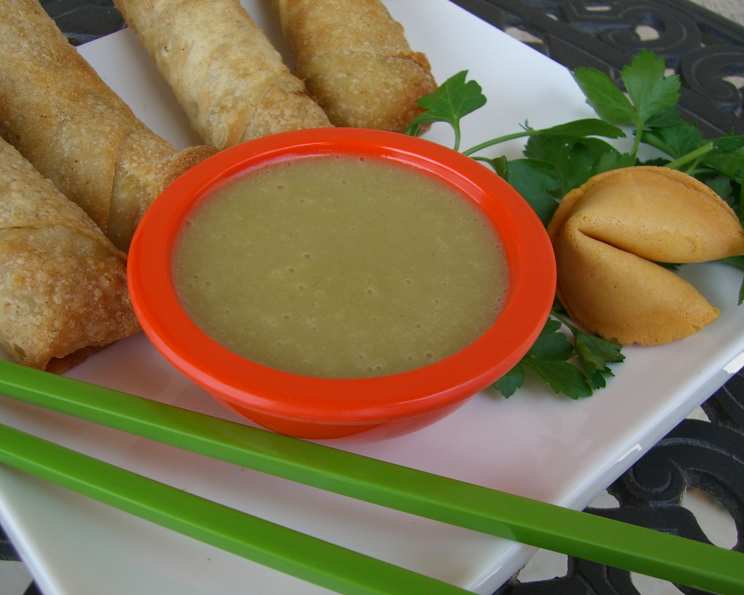
The Zesty Kick: Mastering Nigella Lawson’s Wasabi Lime Dressing
I’ve always believed that the simplest ingredients, when treated with respect and a touch of flair, can create the most profound flavors. This wasabi lime dressing, a gem from Nigella Lawson’s vast culinary repertoire, embodies that philosophy perfectly. It’s a dressing that doesn’t just dress a salad; it ignites it. I remember the first time I tasted it, a revelation of sharp citrus, pungent wasabi, and the smooth richness of oil, all singing in perfect harmony. It was the unexpected spark that transformed a humble seared tuna into a showstopper, and the dip that had everyone hovering around the platter, clamoring for more. This isn’t just a recipe; it’s a testament to the power of bold, unadulterated flavor.
Recipe Overview
- Prep Time: 5 minutes
- Cook Time: 0 minutes
- Total Time: 5 minutes
- Servings: 4
- Yield: 1/2 cup
- Dietary Type: Dairy-Free, Gluten-Free
Ingredients
This recipe calls for a remarkably short list of ingredients, proving that excellence often lies in simplicity.
- 3 tablespoons lime juice
- 4 tablespoons peanut oil (canola oil is also a good substitute if you prefer, or a neutral-flavored vegetable oil)
- 1 tablespoon wasabi paste (feel free to adjust this quantity to your personal preference for heat – start with less if you’re unsure!)
- 1/2 teaspoon sea salt or 1/2 teaspoon kosher salt
Equipment Needed
You’ll be pleased to know that this dressing requires minimal equipment, making it perfect for a quick culinary fix.
- A clean, lidded jam jar or a small bowl and whisk.
Instructions
The beauty of this dressing lies in its almost instantaneous preparation. Nigella has a knack for creating recipes that are both elegant and incredibly straightforward, and this one is a prime example.
- Combine the ingredients: Take a clean jam jar with a secure lid. Place all of the listed ingredients – the lime juice, peanut oil, wasabi paste, and salt – directly into the jar.
- Emulsify the dressing: Screw the lid on firmly. Now, give the jar a good, vigorous shake. You want to shake it until all the ingredients are thoroughly combined and the dressing has emulsified into a uniform, creamy consistency.
- Alternative method (bowl and whisk): If you don’t have a jam jar handy, or simply prefer a more hands-on approach, you can achieve the same result by placing all the ingredients into a small bowl. Then, use a whisk to combine them until they are completely mixed and the dressing is emulsified.
- Taste and adjust: This is a crucial step! Once the dressing is well combined, taste it. This is your opportunity to personalize it. Do you crave more heat? Add a little more wasabi paste. Does it need a touch more brightness? A squeeze of lime juice might be in order. Is the seasoning just right? If not, a pinch more salt can make all the difference. Adjust as needed until it sings to your palate.
Expert Tips & Tricks
While this recipe is wonderfully simple, a few professional insights can elevate it from good to spectacular.
- Quality of Wasabi: The flavor of your wasabi paste is paramount here. If you can source a good quality, potent wasabi, the dressing will have a more authentic and vibrant kick. Some supermarket wasabi pastes can be quite mild or contain artificial coloring. Look for brands that are primarily horseradish, mustard, and wasabi.
- Oil Choice Matters: While peanut oil offers a lovely subtle nuttiness that complements the other flavors, don’t be afraid to experiment. A high-quality, light olive oil could work, but it might impart a stronger flavor. Canola or a neutral vegetable oil will provide the smoothest, cleanest base for the lime and wasabi to shine.
- The Power of Emulsification: Proper emulsification is key to a dressing that coats beautifully and doesn’t separate. Shaking in a jar is incredibly effective for this. If whisking, ensure you’re doing it vigorously and continuously until the oil and liquid are fully integrated. The dressing should look creamy and slightly thickened.
- Temperature Play: While served as is, consider the temperature of your ingredients. Slightly cooler oil can sometimes emulsify more readily.
- Infusing Flavors: For an even deeper flavor profile, you can make the dressing a little ahead of time and let it sit in the refrigerator for about 30 minutes to allow the flavors to meld. Just be sure to give it a good shake or whisk again before serving, as it may separate slightly.
Serving & Storage Suggestions
This versatile dressing is a culinary chameleon, ready to enhance a variety of dishes.
- On Salads: It’s a dream on green salads, providing a zesty counterpoint to bitter greens like arugula or radicchio. It’s also phenomenal on grain salads, avocado salads, or even as a dressing for grilled vegetables.
- With Seafood: This is where the dressing truly shines. Drizzle it over seared tuna, grilled salmon, shrimp skewers, or pan-fried white fish. Its acidity cuts through the richness of the fish beautifully, and the wasabi provides a delightful counterpoint.
- As a Dip: Beyond salads and fish, consider using it as a dip for crudités, spring rolls, or even as a flavorful accompaniment to sushi or sashimi.
- Storage: Store any leftover dressing in an airtight container in the refrigerator. It will keep well for up to 3-4 days. Because it contains fresh lime juice and oil, it’s best consumed within this timeframe. Before serving, give it a thorough shake or whisk as separation is natural.
Nutritional Information
This dressing is a flavor powerhouse, and while it’s best enjoyed in moderation, understanding its nutritional breakdown can be helpful.
| Nutrient | Amount per Serving | % Daily Value |
|---|---|---|
| Calories | 122.2 kcal | |
| Calories from Fat | 121 g | |
| Total Fat | 13.5 g | 20% |
| Saturated Fat | 2.3 g | 11% |
| Cholesterol | 0 mg | 0% |
| Sodium | 290.9 mg | 12% |
| Total Carbohydrate | 1 g | 0% |
| Dietary Fiber | 0.1 g | 0% |
| Sugars | 0.2 g | 0% |
| Protein | 0.1 g | 0% |
Note: Nutritional values are estimates and can vary based on specific ingredients used.
Variations & Substitutions
While the original recipe is perfection, here are a few ideas if you wish to explore different flavor profiles or cater to dietary needs.
- Sesame Kick: For an Asian-inspired twist, substitute 1 tablespoon of the peanut oil with toasted sesame oil. This will add a wonderful nutty depth.
- Ginger Zing: A small amount of freshly grated ginger (about 1/2 teaspoon) can be added to the jar or bowl. This will introduce a different kind of warmth and spice that complements the wasabi.
- Creamier Texture: If you prefer a slightly creamier, more ranch-like dressing, you could whisk in a tablespoon of full-fat Greek yogurt or a dairy-free alternative like unsweetened coconut yogurt. This will, however, alter the dietary type.
- Herbaceous Notes: Finely chopped fresh cilantro or chives can be added for a burst of freshness and color, especially for salad applications.
FAQs
Q: What kind of lime juice should I use?
A: Freshly squeezed lime juice is always recommended for the brightest, most vibrant flavor. Bottled lime juice can be used in a pinch, but the taste will be less nuanced.
Q: Can I make this dressing ahead of time?
A: Yes, you can certainly make it ahead. It’s best to store it in the refrigerator and give it a good shake or whisk before serving, as the ingredients may separate.
Q: How much wasabi paste should I use?
A: The recipe calls for 1 tablespoon, but this is a guideline. Wasabi pastes vary in potency, so it’s always best to taste and adjust to your personal preference for heat.
Q: What is the best way to store leftover dressing?
A: Store any leftover dressing in an airtight container in the refrigerator for up to 3-4 days. Ensure it’s well-sealed to maintain freshness.
Q: Can I use a different type of oil?
A: Absolutely! While peanut oil is suggested, neutral oils like canola or vegetable oil work well. A light olive oil can be used, but it may impart a stronger flavor.
Final Thoughts
This wasabi lime dressing is a testament to the fact that culinary magic doesn’t always require a lengthy ingredient list or complicated techniques. It’s a vibrant, zesty, and powerfully flavorful creation that can truly elevate the simplest of meals. Whether you’re dressing a crisp salad, finishing a perfectly seared piece of fish, or using it as an unexpected dipping sauce, it’s guaranteed to bring a delightful spark to your table. I encourage you to try it, play with the heat level, and discover its incredible versatility. I’d love to hear how you use this gem – perhaps it will become a staple in your kitchen, just as it has in mine.