
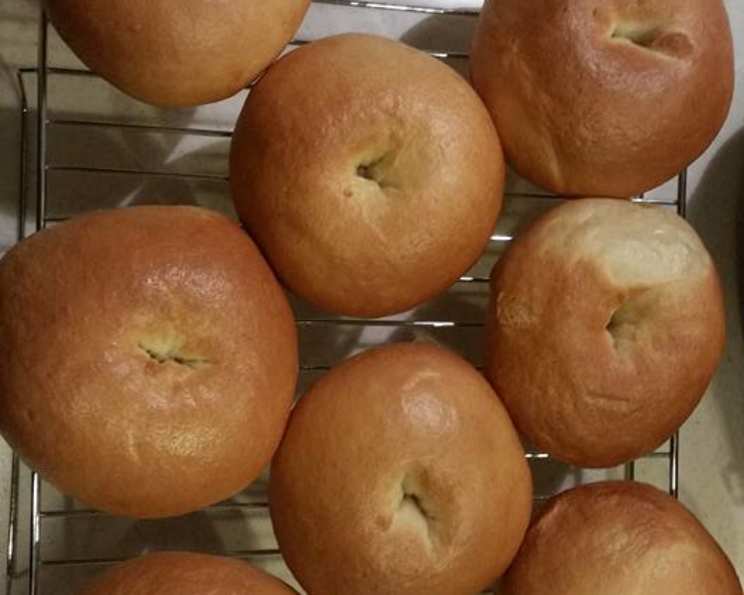
The Enduring Allure of the Plain Water Bagel
There’s a certain magic in the simplicity of a perfectly executed plain bagel. I remember my first truly memorable bagel experience not in a fancy bakery, but from a small, unassuming cart on a bustling New York City street. The aroma alone was intoxicating – a deep, toasted scent that promised chewy goodness. That first bite, a revelation of a crisp, golden-brown exterior giving way to a wonderfully dense, yet yielding interior, was pure comfort. It wasn’t about elaborate toppings or exotic flavors; it was about the inherent perfection of the bread itself. For years, I chased that sensation, experimenting in my own kitchen, driven by a desire to recreate that honest, deeply satisfying bite, a testament to the power of simple ingredients and time-honored technique.
Recipe Overview
- Prep Time: approximately 1 hour 52 minutes (includes rising time)
- Cook Time: approximately 17 minutes
- Total Time: approximately 2 hours 9 minutes
- Servings: 12
- Yield: 12 Bagels
- Dietary Type: Vegetarian, Dairy-Free (if water is dairy-free)
The Essential Ingredients
To achieve that classic, satisfying chew and subtle flavor of a water bagel, you’ll need a few key players. The beauty of this recipe lies in its straightforward pantry staples.
- 4 to 5 cups all-purpose flour: This forms the backbone of our dough. It’s best to start with 4 cups and add more as needed to achieve the right consistency.
- 3 tablespoons sugar: A touch of sugar feeds the yeast and contributes to browning.
- 1 tablespoon salt: Crucial for flavor and also helps to control yeast activity.
- 1 package active dry yeast: The leavening agent that gives our bagels their lift.
- 1 1/2 cups very warm tap water (120°-130°F): The temperature is key here; too hot will kill the yeast, too cool and it won’t activate properly. The “water” in “water bagel” is more than just a descriptor; it’s part of the magic, and the minerals in your local tap water truly can impart a subtle difference to the final product.
- 1 egg white: For that beautiful sheen and a slightly crisp exterior.
- 1 tablespoon cold water: Mixed with the egg white to create our egg wash.
Essential Equipment
While you don’t need a professional bakery setup for these bagels, a few standard kitchen tools will make the process smoother:
- Large mixing bowl
- Electric mixer with dough hook attachment (optional, but highly recommended for kneading)
- Measuring cups and spoons
- Lightly floured board or clean countertop for kneading
- Baking sheets
- Large shallow pan or pot for boiling
- Slotted spoon or spider strainer
- Clean kitchen towels
- Small bowl for egg wash
- Pastry brush
- Wire cooling rack
Crafting Your Perfect Water Bagels: Step-by-Step
This recipe is a journey, and the results are well worth the time invested. Patience and a gentle touch are your best tools here.
- The Foundation: In a large bowl, thoroughly mix 1 1/2 cups of the all-purpose flour, sugar, salt, and the active dry yeast. Ensure these dry ingredients are well combined before moving to the next step.
- Hydration and Initial Mixing: Gradually add the very warm tap water to the dry ingredients. Using an electric mixer with a dough hook on medium speed, beat for 2 minutes, scraping the bowl occasionally to ensure everything is incorporated.
- Building the Dough: Add 1/2 cup more flour to the mixture. Continue to beat at high speed for another 2 minutes, again scraping the bowl as needed.
- Achieving the Right Consistency: Now, it’s time to stir in enough additional flour to make a soft dough. This will likely be about 2 to 2 1/2 cups more flour. The dough should be slightly sticky but manageable.
- Kneading to Elasticity: Turn the dough out onto a lightly floured board (or your clean countertop). Knead the dough until it is smooth and elastic. This process should take approximately 10 minutes of consistent kneading. If you’re using a stand mixer, continue kneading with the dough hook until the dough pulls away from the sides of the bowl.
- First Rise (The Gentle Lift): Place the dough in an ungreased bowl. Cover the bowl and let the dough rise in a warm, draft-free place for 20 minutes. It’s important to note: the dough will NOT double in bulk at this stage. This is a characteristic of bagel dough, which is meant to be dense.
- Shaping the Bagels: Punch the dough down to release any trapped air. Turn the dough out onto a lightly floured board. Roll the dough into a rectangle, approximately 12 x 10 inches. Using a sharp knife or bench scraper, cut the dough into 12 equal strips, each measuring about 1 x 10 inches. To form the classic bagel shape, pinch the ends of each strip together firmly to create a circle.
- Second Rise (The Final Proof): Place the shaped bagels onto ungreased baking sheets. Cover them and allow them to rise again in a warm, draft-free place for 20 minutes. Again, the dough will NOT double in bulk; this second rise is crucial for texture.
- The Boiling Water Bath: While the bagels are having their second rise, prepare for the boil. In a large shallow pan, bring about a 1 3/4 inch depth of water to a boil. Once boiling, lower the heat so the water is at a gentle simmer. Add a few bagels at a time to the simmering water.
- The Simmer: Simmer the bagels for 7 minutes, ensuring you flip them halfway through, so they cook for 3 1/2 minutes on each side. This boiling step is what gives bagels their signature chewy texture.
- Draining and Cooling: Remove the bagels from the water using a slotted spoon or spider strainer. Place them on a clean kitchen towel to drain any excess water. Let the bagels cool on the towel for 5 minutes.
- Preparing for Baking: After the brief cooling period, place the bagels back onto ungreased baking sheets.
- The First Bake: Preheat your oven to 375°F (190°C). Bake the bagels for 10 minutes.
- The Egg Wash: While the bagels are in their first bake, prepare the egg wash. In a small bowl, beat the egg white with the cold water until well combined.
- Finishing Touches and Second Bake: Remove the bagels from the oven. Brush them generously with the egg white/water mixture. Return the bagels to the oven and bake for about 20 minutes longer, or until they are golden brown and appear done.
- Cooling to Perfection: Remove the baked bagels from the baking sheets immediately. Cool them completely on a wire rack. This prevents the bottoms from becoming soggy.
Expert Tips & Tricks for Bagel Nirvana
- Water Quality Matters: As the original recipe notes, the minerals in your tap water can subtly influence the taste and texture of your bagels. If you find your tap water is very soft, you might consider adding a pinch of a mineral supplement like food-grade calcium chloride (though this is an advanced technique for the truly dedicated!).
- Don’t Over-Flour: It’s tempting to keep adding flour to make the dough less sticky, but a slightly soft dough is key to a tender bagel. Add flour incrementally, and trust the kneading process to develop the gluten.
- The Draft-Free Zone: Finding a genuinely warm, draft-free place for the dough to rise can make a difference. An oven with the light on (but the oven off!) is a classic trick.
- Boiling Technique: Don’t overcrowd the boiling pot. Overcrowding will lower the water temperature too much and result in gummy bagels. Work in batches.
- The Visual Clue: Bagels should be firm to the touch after baking and have a deep golden-brown hue. Tapping the bottom should sound hollow.
Serving & Storage Suggestions
Plain water bagels are incredibly versatile. They are, of course, superb toasted and slathered with cream cheese and perhaps a sprinkle of chives or everything bagel seasoning. They also make fantastic sandwiches – their sturdy structure holds up well to all sorts of fillings, from classic deli meats to smoked salmon and capers.
Storage: Once completely cooled, store leftover bagels in an airtight container or bag at room temperature for up to 2 days. For longer storage, they freeze beautifully. Wrap them individually in plastic wrap and then place them in a freezer bag. They will keep well in the freezer for up to 3 months. To reheat, toast frozen bagels directly from the freezer or thaw at room temperature and then toast.
Nutritional Information (Estimated Per Bagel)
| Nutrient | Amount per Serving | % Daily Value |
|---|---|---|
| Calories | 167.2 kcal | |
| Calories from Fat | 4 g | |
| Total Fat | 0.5 g | 0% |
| Saturated Fat | 0.1 g | 0% |
| Cholesterol | 0 mg | 0% |
| Sodium | 588 mg | 24% |
| Total Carbohydrate | 35.2 g | 11% |
| Dietary Fiber | 1.3 g | 5% |
| Sugars | 3.3 g | 13% |
| Protein | 4.8 g | 9% |
Note: Nutritional values are estimates and can vary based on specific ingredients and preparation methods.
Variations & Substitutions
While this recipe celebrates the pure, unadorned water bagel, there are always ways to adapt and play.
- Whole Wheat: Substitute up to half of the all-purpose flour with whole wheat flour for a nuttier flavor and added fiber. You might need to adjust the liquid slightly.
- Seeds & Grains: Before the second rise, you can roll or sprinkle the bagels with your favorite seeds like poppy, sesame, or sunflower seeds. For an “everything” bagel effect, you can create your own blend.
- Herbs & Spices: Incorporate dried herbs like rosemary or seasonings like garlic powder or onion powder into the dough for a savory twist.
FAQs (Frequently Asked Questions)
Q: Why don’t my bagels double in size during the rise?
A: Bagel dough is intentionally dense. The recipe is designed for a shorter, less dramatic rise to achieve the characteristic chewy texture, rather than a light and airy crumb.
Q: Can I use instant yeast instead of active dry yeast?
A: Yes, you can often substitute instant yeast for active dry yeast. You would typically use slightly less instant yeast and can often skip the initial blooming step, adding it directly with the dry ingredients. However, for this recipe, sticking to active dry yeast as specified ensures the intended outcome.
Q: My bagels are too hard/tough. What went wrong?
A: This could be due to over-flouring the dough, not kneading it enough, or boiling for too long. Ensure you use just enough flour to make the dough manageable and knead until it’s truly elastic.
Q: What’s the best way to store bagels to keep them fresh?
A: For short-term storage, an airtight container at room temperature is best. For longer storage, freezing is highly recommended to maintain their texture and flavor.
Q: Can I make these bagels vegan?
A: This recipe is naturally dairy-free. The egg white wash can be omitted or replaced with a plant-based milk and a touch of sugar for browning, though the sheen might be slightly different.
A Humble Classic, Reimagined
There’s a profound satisfaction that comes from mastering the art of the plain water bagel. It’s a recipe that reminds us of the power of fundamental techniques and the beauty of simplicity. Whether you enjoy them toasted with a schmear of cream cheese, as the foundation for a towering sandwich, or simply on their own, these homemade bagels are a testament to culinary tradition. Don’t be afraid to experiment with toppings or variations once you’ve perfected the basic recipe. Share your creations, and savor the simple, honest pleasure of a truly great bagel.