
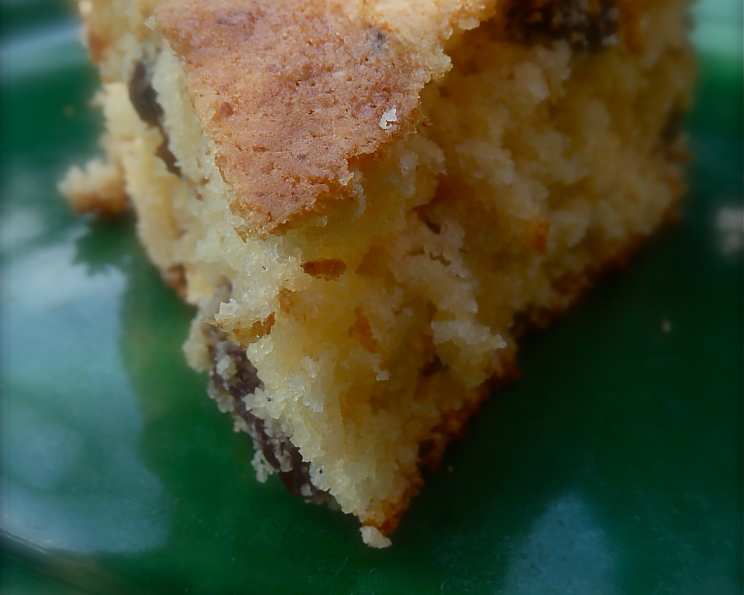
The Peculiar Charm of Irish Soda Bread: A Chef’s Take
As a chef, I’ve encountered my fair share of culinary oddities, but some dishes, despite their unconventional methods, possess a soul-warming deliciousness that transcends expectation. This particular iteration of Irish Soda Bread is one such wonder. I remember the first time I stumbled upon this recipe, tucked away in a dog-eared collection of handwritten notes from an old colleague. The ingredients were so straightforward, yet the method seemed… well, peculiar. But the resulting loaf, a tender, slightly sweet crumb with a beautiful crust, quickly won me over, proving that sometimes, the most unexpected paths lead to the most delightful destinations. It’s become a St. Patrick’s Day staple, a reminder that tradition can be deliciously reinvented.
Recipe Overview
- Prep Time: 20 minutes
- Cook Time: 35 minutes
- Total Time: 55 minutes
- Servings: 8
- Yield: 1 loaf
- Dietary Type: Vegetarian
Ingredients
Gather these simple ingredients, and you’ll be well on your way to a delightful loaf:
- 1/2 cup club soda, ensuring it’s club soda and not seltzer water for the best leavening
- 1 large egg
- 1 1/2 cups biscuit mix (I personally favor Bisquick for its reliable results)
- 1/2 cup sugar (Splenda is a fine alternative if you’re watching sugar intake)
- 1/2 teaspoon vanilla extract
Equipment Needed
- An 8-inch round cake pan
- A large mixing bowl
- An electric mixer (handheld or stand mixer will work)
- A toothpick or skewer for testing doneness
- A wire cooling rack
Instructions
The process for this Irish Soda Bread is wonderfully uncomplicated, proving that a good bake doesn’t always require a complicated dance of ingredients and techniques.
- Begin by preheating your oven to a robust 400 degrees Fahrenheit (200 degrees Celsius). This initial blast of heat is crucial for getting the bread to rise beautifully.
- Next, grease your 8-inch round cake pan. A light coating of butter or baking spray will prevent any sticking and ensure your loaf emerges perfectly intact.
- In your large mixing bowl, combine all the ingredients. It’s important to aim for a texture where all the dry ingredients are well moistened, but resist the urge to overmix. A medium speed with your electric mixer is ideal for this.
- Here’s a vital piece of advice: DO NOT OVERBEAT. Overmixing can develop the gluten too much, leading to a tough bread. Just mix until everything is just combined.
- Carefully pour the batter into the prepared pan. It will be a thick batter, which is perfectly normal for this style of soda bread.
- Place the pan on the center rack of your preheated oven. Bake for 20 minutes at 400 degrees Fahrenheit.
- After the initial 20 minutes, reduce the oven temperature to 350 degrees Fahrenheit (175 degrees Celsius). Continue to bake for an additional 15 minutes.
- To confirm the bread is done, insert a toothpick into the center. If it comes out clean, your bread is perfectly baked.
- Once out of the oven, allow the bread to cool in the pan on a wire rack for 10 minutes. This brief resting period helps the bread set.
- After 10 minutes, carefully invert the loaf onto a serving plate.
- This bread is best enjoyed by cutting it into pie-shaped wedges. Serve with butter and honey on the side for spreading.
Expert Tips & Tricks
This bread, in its simplicity, doesn’t require a lot of complex intervention. However, a few subtle touches can elevate it further.
- The Power of Club Soda: Using club soda is key here. Its carbonation provides a gentle lift, contributing to a tender crumb that’s lighter than you might expect from such a simple batter. Avoid plain water or seltzer, as they lack the necessary effervescence.
- Don’t Fear the Texture: The batter will be thicker than a typical cake batter. This is normal and contributes to the bread’s characteristic texture. Resist the temptation to add more liquid.
- Temperature Control is Crucial: The two-stage baking process is essential for achieving a well-cooked interior and a beautifully golden crust. Don’t skip the temperature reduction; it ensures the inside cooks through without the outside burning.
Serving & Storage Suggestions
This “weird” Irish Soda Bread is a delightful treat any time of day. Its slightly sweet profile makes it perfect for breakfast, a light snack, or even an accompaniment to a hearty soup.
For serving, the classic approach is to slice it into pie-shaped wedges, just like a cake. Offer generous portions of softened butter and a drizzle of golden honey on the side. For a touch of decadence, a dollop of clotted cream or a smear of good quality jam is also a wonderful addition.
When it comes to storage, this bread is surprisingly forgiving. It will keep for up to 1 week when stored in an airtight container or plastic bag in the refrigerator. This chilling helps to maintain its freshness and prevents it from drying out too quickly. When you’re ready to enjoy it again, you can have it at room temperature or gently warm a slice in a toaster oven or a low oven for a few minutes to revive its tender texture.
Nutritional Information
| Nutrient | Amount per Serving | % Daily Value |
|---|---|---|
| Calories | 190 kcal | 10% |
| Total Fat | 6 g | 8% |
| Saturated Fat | 2 g | 10% |
| Cholesterol | 37 mg | 12% |
| Sodium | 420 mg | 18% |
| Total Carbohydrate | 30 g | 11% |
| Dietary Fiber | 1 g | 4% |
| Sugars | 14 g | 28% |
| Protein | 4 g | 8% |
Nutritional values are estimates and can vary based on specific ingredients used, particularly the biscuit mix.
Variations & Substitutions
While this recipe is wonderfully straightforward, there’s always room for a touch of personalization.
- Additions for Texture and Flavor: If you enjoy a bit more complexity, consider adding 1/2 cup of raisins or a pinch of caraway seeds to the batter along with the other dry ingredients. These additions are particularly popular around St. Patrick’s Day and offer a delightful textural and aromatic counterpoint to the sweet bread.
- Sweetness Adjustment: The sugar content can be adjusted to your personal preference. If you find 1/2 cup too sweet, you can reduce it slightly, but be mindful that sugar also contributes to the bread’s tenderness.
FAQs
Q: Why is it called “weird” Irish Soda Bread?
A: The “weird” aspect likely refers to the combination of seemingly disparate ingredients, like club soda and biscuit mix, and the straightforward method that deviates from more traditional, labor-intensive yeast breads.
Q: Can I use self-rising flour instead of biscuit mix?
A: While you can, the texture and flavor will be different. Biscuit mix contains leavening agents and fat, contributing to the specific tenderness of this recipe. If you must substitute, you would need to adjust leavening and potentially add a little fat.
Q: What is the difference between club soda and seltzer water for this recipe?
A: Club soda typically contains added minerals for taste, which can contribute slightly to the bread’s texture and flavor. Seltzer water is simply carbonated water without any additives. Club soda is preferred for a subtly richer outcome.
Q: Can I make this bread vegan?
A: This particular recipe uses an egg, so it is not vegan as written. To make it vegan, you would need to experiment with an egg substitute suitable for baking, such as a flax egg or commercial vegan egg replacer.
Q: How can I tell if my club soda is still fizzy enough?
A: When you open the can or bottle of club soda, you should see and hear a distinct fizz. If it seems flat, it won’t provide the necessary leavening, and it’s best to use a fresh can.
Final Thoughts
There’s a genuine comfort in baking, and this peculiar Irish Soda Bread embodies that perfectly. It’s a testament to how simple ingredients, when treated with a little care and a dash of curiosity, can yield something truly wonderful. I encourage you to give this recipe a try, especially if you’re looking for a charming addition to your St. Patrick’s Day celebrations or simply a delightful, easy-to-bake bread. It’s a reminder that sometimes, the most “weird” recipes are the ones that surprise you with their deliciousness. Share it with friends, enjoy it with a cup of strong tea, and savor the simple joy it brings.