
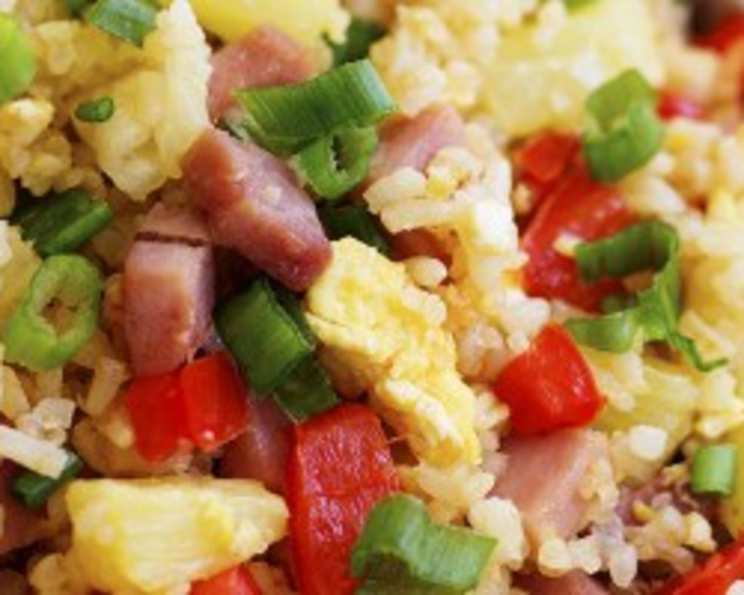
Western Fried Rice: A Comforting Culinary Crossover
There are some dishes that simply feel like a warm hug in a bowl, and for me, this Western Fried Rice is one of them. It reminds me of those late-night study sessions in college, when the only thing better than a good grade was the scent of something savory wafting from the kitchen. It’s a dish born from necessity and creativity, a testament to how familiar flavors can be reinterpreted and elevated. This particular iteration, with its nods to both classic American diner omelets and the beloved Chinese takeout staple, always brings a smile to my face and a deep sense of satisfaction. It’s the kind of meal that’s both incredibly easy to make and deeply comforting, a perfect weeknight warrior that always delivers.
Recipe Overview
- Prep Time: 15 minutes
- Cook Time: 30 minutes
- Total Time: 45 minutes
- Servings: 1-2
- Yield: 1 serving
- Dietary Type: Adaptable
Ingredients
This recipe is wonderfully flexible, but here are the core components that bring this Western Fried Rice to life:
- 2 cups rice, cold, pre-cooked (day-old rice is ideal for fried rice)
- 2 tablespoons cooking oil, such as peanut oil, known for its high smoke point
- 1/8 teaspoon sesame oil
- 1/4 cup ham steak, diced
- 1/4 cup sweet onion, chopped
- 1/4 cup red bell pepper, chopped
- 1/2 green onion, for garnish
- 1-2 eggs, to taste
- 1-2 tablespoons light soy sauce
- 1/2 teaspoon black pepper, to taste
- 1/2 teaspoon salt, to taste
- 1/2 teaspoon sugar, to taste
Equipment Needed
For this straightforward yet satisfying fried rice, you’ll want to have these tools handy:
- Large skillet or wok
- Spatula or wok shovel
- Small bowl (for the egg)
- Cutting board
- Sharp knife
- Measuring cups and spoons
Instructions
Let’s get cooking! This process is designed to be efficient and bring out the best in each ingredient.
- Prepare the Cooked Rice: Begin by taking your cold, pre-cooked rice. If it’s clumped together, gently wet your fingers and carefully break up any large clumps in a bowl. This step is crucial for ensuring your rice grains remain separate and don’t become mushy during the stir-frying process.
- Preheat the Skillet: Place your large skillet or wok over medium to high heat and allow it to get properly hot. This high heat is essential for achieving that signature slightly smoky, “wok hei” flavor that makes fried rice so delicious.
- Cook the Egg: Add about a tablespoon of cooking oil to the preheated skillet. Crack in your eggs and fry them until they are just set – think of it as making a very thin, soft omelette. Once cooked, remove the egg from the pan and set it aside. It’s often best to chop this up just before adding it back into the rice later in the process.
- Sauté the Vegetables: Add a touch more cooking oil to the skillet if needed. Introduce the chopped sweet onion and chopped red bell pepper. Stir-fry these until they are tender, which should take a few minutes.
- Brown the Ham: Once the vegetables are tender, you can either remove them to a separate bowl or push them to the side of the skillet. Add the diced ham steak to the hot pan and stir-fry it for about 30 seconds until it’s lightly browned and fragrant.
- Stir-Fry the Rice: Add another splash of cooking oil to the skillet. Now, add your prepared rice. The key here is to stir-fry constantly, making sure to chop and move the rice around with your spatula. Your mission is to break up any remaining lumps and ensure every grain is heated evenly. This usually takes about 3 to 5 minutes, depending on the intensity of your heat.
- Combine and Season: When the rice is almost done and has separated nicely, it’s time to bring everything together. Add the ham, peppers, and onions back into the skillet with the rice and give it a good toss and stir. Now, chop up the egg you set aside earlier and add it to the pan as well.
- Flavor Infusion: To prevent overcooking the ingredients with residual heat, it’s a good practice to remove the skillet from the heat at this stage for seasoning. Add the salt, black pepper, and sugar. Finally, add a healthy splash of light soy sauce and just a drop of sesame oil. Be very careful with the sesame oil; too much can easily overpower the other flavors and ruin the dish. Stir everything together to ensure the seasonings are evenly distributed.
- Final Touches: Return the skillet to low heat for an additional 40 seconds, giving everything a final toss to meld the flavors.
- Serve: Your Western Fried Rice is ready to be enjoyed! Garnish with the sliced green onion before serving.
Expert Tips & Tricks
- The Rice is Key: Cold, day-old rice is your best friend here. Freshly cooked rice has too much moisture, which will lead to a clumpy, mushy fried rice. The drier the rice, the better it will fry and the more distinct your grains will be.
- High Heat, Fast Cooking: Fried rice thrives on high heat. This allows ingredients to cook quickly, imparting that desirable smoky flavor and preventing them from steaming. Don’t overcrowd the pan; cook in batches if necessary.
- Wok Hei Magic: If you have a wok, use it! The shape and material are designed for high-heat stir-frying, and you’ll get closer to that authentic “wok hei” – the breath of the wok – which is a complex aroma and flavor developed from cooking over intense heat.
- Mise en Place: Before you even turn on the stove, have all your ingredients prepped and measured. Stir-frying is a fast process, and you won’t have time to chop vegetables or measure sauces once you start.
- Egg Technique: For the egg, you can also scramble it separately and then chop it, or even make a thin omelet, roll it up, and slice it into ribbons for a more elegant presentation.
Serving & Storage Suggestions
This Western Fried Rice is a complete meal in itself, but it also pairs wonderfully with a light salad or a steamed vegetable side. Serve it hot, right after it’s finished cooking, and garnish generously with fresh, thinly sliced green onions.
Leftovers can be stored in an airtight container in the refrigerator for 2 to 3 days. When reheating, it’s best to do so gently in a skillet over medium heat, adding a tablespoon of water or a splash of soy sauce to help loosen the grains and rehydrate the rice. Avoid reheating in the microwave if you can, as it tends to make the rice a bit rubbery.
Nutritional Information
While exact nutritional values can vary based on specific ingredients and portion sizes, here’s an approximate breakdown:
| Nutrient | Amount per Serving | % Daily Value |
|---|---|---|
| Calories | 350-450 kcal | – |
| Total Fat | 15-25 g | 19-32% |
| Saturated Fat | 3-6 g | 15-30% |
| Cholesterol | 100-200 mg | 33-67% |
| Sodium | 800-1500 mg | 35-65% |
| Total Carbohydrate | 30-45 g | 11-16% |
| Dietary Fiber | 2-4 g | 7-14% |
| Sugars | 3-6 g | 6-12% |
| Protein | 15-25 g | 30-50% |
Note: These values are estimates and can fluctuate based on the type and amount of ham, oil, and soy sauce used, as well as the size of the egg.
Variations & Substitutions
The beauty of fried rice lies in its adaptability. Feel free to customize it to your liking:
- Protein Swaps: Instead of ham, try diced chicken, shrimp, or pork. For a vegetarian option, cubed tofu or tempeh works wonderfully. Ensure any raw proteins are cooked through before adding to the rice.
- Vegetable Additions: Don’t hesitate to load up on more veggies! Peas, carrots (diced small), broccoli florets, corn, or bean sprouts are excellent additions. Add them along with the onions and peppers, adjusting cooking time as needed.
- Spice It Up: For a touch of heat, add a pinch of red pepper flakes or a swirl of your favorite hot sauce during the seasoning stage.
- Gluten-Free: Use tamari or a gluten-free soy sauce alternative instead of light soy sauce to make this dish gluten-free.
FAQs
Q: Why is cold, pre-cooked rice essential for fried rice?
A: Cold rice has dried out, making the grains firm and separate. This prevents the rice from becoming mushy and clumpy when stir-fried, allowing each grain to absorb flavor without sticking together.
Q: Can I use freshly cooked rice?
A: While it’s possible, freshly cooked rice will yield a much softer, claggier fried rice. If you must use it, spread it out on a baking sheet and let it cool and dry out for at least an hour before using.
Q: How can I get a better “wok hei” flavor at home?
A: Use the highest heat your stove can safely manage. Ensure your pan is very hot before adding ingredients, and don’t overcrowd the pan, as this lowers the temperature and leads to steaming rather than frying.
Q: My fried rice is too oily. What did I do wrong?
A: This usually happens from using too much oil or not having the pan hot enough. The oil should shimmer before adding ingredients. Also, make sure to drain any excess oil if it accumulates during cooking.
Q: Can I make this ahead of time?
A: Fried rice is best served fresh, but leftovers can be stored and reheated. For best results, however, I recommend making it right before you plan to eat it to enjoy the optimal texture and flavor.
Final Thoughts
This Western Fried Rice is more than just a recipe; it’s an invitation to play with your food and discover the joy of simple, delicious cooking. It’s proof that combining familiar elements can result in something truly special and comforting. Whether you’re looking for a quick weeknight meal, a way to use up leftover rice, or simply a taste of home, this dish is sure to satisfy. Give it a try, experiment with your favorite additions, and savor every flavorful bite. I’d love to hear how yours turns out!