
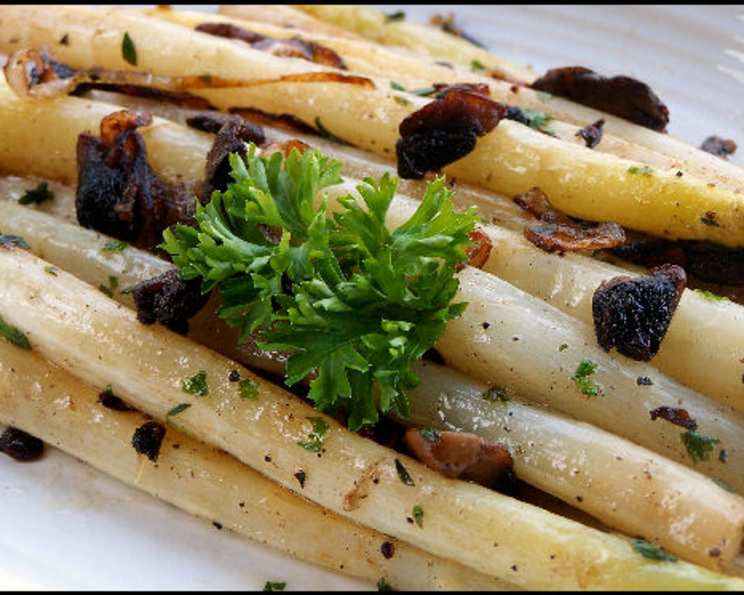
The Sublime Simplicity of White Asparagus in Brown Butter
There’s a certain hush that falls over the culinary world with the arrival of white asparagus season. It’s a fleeting time, a delicate gift from the earth that demands a gentle hand and an appreciation for pure, unadulterated flavor. I remember my first true encounter with it, not as a side note on a menu, but as the star of the plate, bathed in the nutty aroma of brown butter. It was at a small, unassuming restaurant in the Loire Valley, a place that understood that sometimes, the most profound experiences come from the simplest of ingredients treated with reverence. The white asparagus were perfectly tender, yielding with just the slightest whisper of resistance, their subtle sweetness amplified by the rich, caramel-kissed butter. It was a revelation, a moment where I understood the profound beauty of letting exceptional ingredients shine. This recipe is my ode to that memory, a way to capture that exquisite simplicity in your own kitchen.
Recipe Overview
- Prep Time: 15 minutes
- Cook Time: 13 minutes
- Total Time: 28 minutes
- Servings: 4
- Yield: 4 servings
- Dietary Type: Vegetarian
Ingredients
- 25 spears white asparagus, trimmed and peeled
- Salt and sugar, for boiling water
- 3 tablespoons unsalted butter
- ½ lb mushrooms, chopped
- 3 shallots, thinly sliced and separated into rings
- 1 teaspoon fresh thyme
- 1 tablespoon fresh lemon juice
- 1 tablespoon finely chopped parsley, plus 1 tablespoon whole leaves for garnish
Equipment Needed
- Large pot
- Large skillet
- Paper towel
Instructions
-
Begin by preparing the white asparagus. You’ll want to trim off the woody ends. The most effective way to do this is to hold a spear in your hand and gently bend it; it will naturally snap at its tender point. Discard the woody ends. Next, peel the spears. Start from just below the tip and work your way down, using a sharp vegetable peeler to remove the tough outer layer. You’re aiming for a smooth, tender exterior.
-
Fill a large pot with water. Add a generous pinch of salt and a good spoonful of sugar. Bring this to a rolling boil over high heat. The sugar might seem unusual, but it’s a chef’s trick to help coax out the natural sweetness of the white asparagus and ensure they cook evenly.
-
Once the water is boiling vigorously, carefully add the prepared white asparagus to the pot. Cook them for precisely 5 to 6 minutes. The goal here is tender-crisp perfection. You want them yielding to the bite, but not mushy. The exact time will depend on the thickness of your asparagus spears.
-
While the asparagus is cooking, place a large skillet over medium heat and add the 3 tablespoons of unsalted butter. Allow the butter to melt completely. Continue to cook the butter, swirling the pan occasionally, until it begins to foam and then subside. You’ll notice small brown specks forming at the bottom of the pan, and a rich, nutty aroma will fill the air. This is brown butter, and it’s where a significant amount of our flavor will come from. Be vigilant, as brown butter can go from perfectly golden to burnt very quickly.
-
As soon as the butter is beautifully browned, add the ½ lb of chopped mushrooms to the skillet. Increase the heat to fairly high, stirring frequently. Cook the mushrooms until they are just tender, which should take about 8 minutes. You’re looking for them to release their moisture and start to develop some lovely caramelization.
-
Now, add the 3 thinly sliced shallots (separated into rings) and the 1 teaspoon of fresh thyme to the skillet with the mushrooms. Continue to stir and cook for approximately 2 minutes, until the shallots have softened.
-
By this point, your white asparagus should be ready. Drain them thoroughly and gently pat them dry with a paper towel. This step is important to prevent excess water from diluting the sauce and to ensure the asparagus get a nice sear.
-
Add the drained and dried white asparagus to the skillet with the mushrooms and shallots. Continue to cook everything together, stirring gently, until the asparagus are warmed through. This will only take a couple of minutes.
-
Finally, stir in the 1 tablespoon of fresh lemon juice, the 1 tablespoon of finely chopped parsley, and the 1 tablespoon of whole parsley leaves. The lemon juice will brighten the flavors, and the parsley adds a fresh herbaceous note. Season with salt and pepper to taste, being mindful of the salt already present from the boiling water.
Expert Tips & Tricks
- Peeling is Key: Don’t skip the peeling step for white asparagus. It’s crucial for achieving that signature tender texture. If your asparagus spears are very thick, you might need to peel a bit more aggressively.
- Brown Butter Vigilance: Keep a close eye on your butter as it browns. The difference between perfectly browned butter and burnt butter is mere seconds. Listen for the nutty aroma, and watch for the golden-brown flecks.
- Mushroom Searing: Ensure your skillet is hot enough before adding the mushrooms. This will promote searing rather than steaming, giving them a better texture and flavor.
- Gentle Toss: When combining the asparagus with the mushroom mixture, toss gently to avoid breaking the delicate spears.
Serving & Storage Suggestions
This dish is best served immediately, while the white asparagus are perfectly tender and the brown butter sauce is still warm and fragrant. Arrange the asparagus spears artfully on individual plates, spooning the mushroom and shallot mixture generously over the top. Garnish with the reserved whole parsley leaves for a pop of color and freshness. It makes a stunning appetizer or a light, elegant main course.
Leftovers can be stored in an airtight container in the refrigerator for up to 2 days. While reheating in the microwave is an option, the texture of the asparagus might soften slightly. For the best results, gently rewarm the mixture in a skillet over low heat, adding a splash of water or a tiny bit more butter if needed.
Nutritional Information
| Nutrient | Amount per Serving | % Daily Value |
|---|---|---|
| Calories | 121 kcal | |
| Total Fat | 9 g | 13% |
| Saturated Fat | 5.5 g | 27% |
| Cholesterol | 22.9 mg | 7% |
| Sodium | 8.4 mg | 0% |
| Total Carbohydrate | 8.6 g | 2% |
| Dietary Fiber | 2.7 g | 10% |
| Sugars | 3.1 g | 12% |
| Protein | 4.5 g | 8% |
(Note: Nutritional values are estimates and can vary based on specific ingredients and portion sizes.)
Variations & Substitutions
- Mushrooms: While cremini mushrooms are a fantastic choice for their earthy flavor, feel free to experiment with other varieties like shiitake, oyster, or even a mix for added complexity.
- Herbs: If fresh thyme isn’t readily available, you can use a pinch of dried thyme, but remember that dried herbs are more potent. Tarragon would also be a delightful substitution for the thyme.
- Acidity: If you prefer a more pronounced tang, you can add a touch more lemon juice or even a splash of white wine vinegar at the end.
- For a Richer Dish: For an even more decadent experience, you could finish the dish with a tablespoon of heavy cream stirred in with the lemon juice and parsley.
FAQs
Q: Why is white asparagus called “white”?
A: White asparagus is not a different variety; it’s simply green asparagus grown without sunlight. This lack of photosynthesis prevents the development of chlorophyll, resulting in its pale color and a milder, more delicate flavor.
Q: How do I know when white asparagus is cooked perfectly?
A: White asparagus should be tender but still have a slight bite, known as “tender-crisp.” You can test for doneness by piercing the thickest part of a spear with the tip of a sharp knife or a fork. It should yield with minimal resistance.
Q: Can I use green asparagus instead of white?
A: Yes, you absolutely can! Green asparagus will offer a slightly more robust flavor and a bit more fiber. Adjust the cooking time as green asparagus can sometimes cook a little faster.
Q: What makes brown butter so special?
A: Browning butter transforms its flavor profile from sweet and creamy to deeply nutty, toasty, and caramel-like. The process involves cooking the butter until the milk solids separate and toast, releasing complex aromatic compounds.
Q: How can I prepare the asparagus ahead of time?
A: You can trim and peel the asparagus a day in advance and store them in the refrigerator, wrapped in a damp paper towel inside a sealed bag or container. However, it’s best to cook and dress them just before serving to maintain their optimal texture.
Final Thoughts
This dish is a testament to the power of simplicity. It’s a celebration of pristine ingredients, allowing the subtle sweetness of white asparagus and the rich, nutty depth of brown butter to take center stage. It’s the kind of meal that feels both comforting and sophisticated, perfect for a quiet weeknight dinner or a special occasion. I encourage you to seek out the finest white asparagus you can find and experience this culinary delight. Serve it alongside a perfectly roasted chicken or a flaky piece of salmon, or simply enjoy it on its own with a crisp glass of Sauvignon Blanc. I’d love to hear about your experience!