
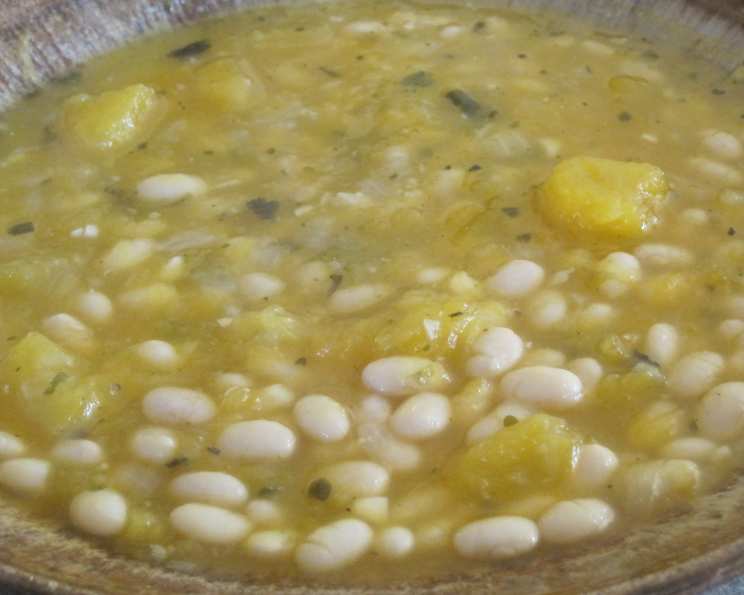
White Bean & Pumpkin Soup: A Hug in a Bowl
There are some dishes that just feel like home, regardless of where you are. For me, this White Bean & Pumpkin Soup is one of those culinary embraces. I remember standing in my kitchen one crisp autumn evening, the kind where the air bites just enough to make you crave warmth, with a vague idea of a Cuban bean and pumpkin stew dancing in my head. My pantry, however, had other plans, offering a bounty of navy beans and that beautiful, earthy pumpkin, but lacking some of the exotic spices needed for a full Cuban immersion. Instead of abandoning the vision, I found myself inspired by Madhur Jaffrey’s knack for creating deeply satisfying flavors, and I began to weave together what I had. The result was this simple yet profoundly hearty soup, a testament to the magic that happens when you adapt and create with what you have on hand. It’s a recipe that has since become a regular fixture in my autumn and winter repertoire, a bowl of pure comfort that never fails to nourish.
Recipe Overview
- Prep Time: 15 minutes (plus bean soaking time)
- Cook Time: 1 hour 30 minutes
- Total Time: 1 hour 45 minutes (plus bean soaking time)
- Servings: 6
- Yield: Approximately 6-8 cups
- Dietary Type: Vegan, Vegetarian, Dairy-Free
Ingredients
The beauty of this soup lies in its humble, accessible ingredients, coming together to create a symphony of earthy, savory, and subtly sweet notes.
- 1 ½ cups dried navy beans
- 4 tablespoons olive oil
- 1 onion, diced
- 4 cloves garlic, minced
- 2 bay leaves
- ½ teaspoon sea salt (you may need up to 1 teaspoon, depending on the saltiness of your broth)
- 4 cups fresh pumpkin, chopped into about 1-inch dice (you can use sugar pumpkin, butternut squash, or kabocha squash for a similar effect)
- 4 cups vegetable broth (you might want up to 5 cups, depending on your desired soup consistency)
For the Herbs:
- 1 teaspoon dried rosemary
- 1 teaspoon dried thyme
- 1 teaspoon dried sage
Equipment Needed
While this soup doesn’t require a vast array of specialized tools, having a few key pieces will make the process smoother.
- Large pot or Dutch oven (for soaking and cooking beans if using the quick method, and for making the soup)
- Colander
- Soup pot or Dutch oven (for sautéing aromatics and cooking the soup)
- Sharp knife and cutting board
- Measuring cups and spoons
Instructions
The process is straightforward, beginning with the essential step of preparing your beans.
-
Prepare the Beans:
- Overnight Soak: The preferable method is to soak the dried navy beans overnight. Place them in a large bowl, cover with plenty of cold water (at least 2-3 inches above the beans), and let them soak for at least 8 hours or overnight.
- Quick Soak Method: If you’re short on time, rinse the beans thoroughly. Place them in a large pot and cover them with enough water to submerge them by about an inch. Bring the water to a rolling boil, let it boil for 5 minutes, then turn off the heat, cover the pot tightly, and let them sit for 1 hour.
- Drain: Regardless of the method used, drain the soaked beans thoroughly in a colander just before you’re ready to start cooking the soup.
-
Sauté the Aromatics:
- Warm the olive oil in a soup pot or Dutch oven over medium heat.
- Add the diced onion and sauté for about 5 minutes, stirring occasionally, until it begins to soften and turn translucent.
- Add the minced garlic and continue to cook for another 5 minutes, or until fragrant and lightly golden. Be careful not to burn the garlic.
-
Infuse the Herbs and Seasoning:
- To the cooking onions and garlic in the pot, add the bay leaves, sea salt, and the dried herbs: dried rosemary, dried thyme, and dried sage.
- Chef’s Note on Herbs: If you have the luxury of fresh herbs, feel free to use them, ensuring they are finely chopped. When using whole dried herbs, a gentle crush between your fingers before adding them to the pot can help release their aromatic oils. If you opt for ground herbs, remember that their flavor is more potent; use a much smaller amount, approximately ⅓ teaspoon of each.
-
Combine and Simmer:
- Once the onions are nicely translucent and lightly browned, add the drained beans, the chopped pumpkin, and the vegetable broth to the pot.
- Stir everything together to combine. Adjust the seasoning with more sea salt if needed, keeping in mind that the saltiness of your broth can significantly impact the final taste.
- Bring the soup to a boil.
-
Cook the Soup:
- Once boiling, reduce the heat to medium-low, cover the pot, and let the soup cook for about 45 minutes, stirring from time to time to prevent sticking.
- For a Thicker Soup: If you prefer a more stew-like consistency, remove the lid for the last 15 minutes of cooking. This allows some of the liquid to evaporate, concentrating the flavors and thickening the soup.
- Adjusting for Quick Soak Beans: If you used the quick soak method for your beans, they will likely need to cook slightly longer. Plan for about an additional hour of simmering time to ensure the beans are tender. You’ll know the beans are cooked when they are soft and creamy.
Expert Tips & Tricks
To elevate this already delightful soup, consider these culinary insights:
- Bean Selection: While navy beans are specified, cannellini beans or great northern beans would also perform beautifully in this recipe, offering a similar creamy texture.
- Pumpkin Prep: If you’re using a whole pumpkin, roasting the cubes for about 20-25 minutes at 400°F (200°C) before adding them to the soup can deepen their flavor and sweetness. This also makes them easier to peel if your pumpkin has a tough rind.
- Broth Brilliance: For an even richer flavor profile, consider using a homemade vegetable broth. The depth of flavor from homemade stock is often unparalleled.
- Flavor Boost: A splash of white wine vinegar or a squeeze of fresh lemon juice stirred in just before serving can brighten the flavors and cut through the richness of the beans and pumpkin.
- Texture Play: If you desire an even creamier soup without adding dairy, reserve a cup or two of the cooked soup, blend it until smooth (using an immersion blender or a regular blender with caution), and then stir it back into the pot. This will naturally thicken and enrich the soup.
Serving & Storage Suggestions
This White Bean & Pumpkin Soup is a versatile dish, perfect for a comforting weeknight meal or a hearty starter.
- Serving: Ladle the hot soup into bowls. A drizzle of good quality olive oil, a sprinkle of fresh parsley or chives, or a dollop of vegan sour cream can add a lovely finishing touch. It pairs wonderfully with crusty bread for dipping.
- Storage: Leftovers can be stored in an airtight container in the refrigerator for up to 3-4 days. The flavors tend to meld and deepen overnight, making it even more delicious the next day.
- Reheating: Gently reheat the soup on the stovetop over low heat, stirring occasionally, or in the microwave. You may need to add a splash more vegetable broth or water if the soup has thickened considerably during storage.
- Freezing: This soup freezes exceptionally well. Let it cool completely, then transfer it to freezer-safe containers or bags. It will keep in the freezer for up to 2-3 months. Thaw overnight in the refrigerator and then reheat as directed.
Nutritional Information
(Please note: Nutritional information is an estimate and can vary based on specific ingredients and portion sizes.)
| Nutrient | Amount per Serving | % Daily Value |
|---|---|---|
| Calories | 344 kcal | |
| Total Fat | 10.1 g | 13% |
| Saturated Fat | 1.4 g | 7% |
| Cholesterol | 0 mg | 0% |
| Sodium | 205 mg | 9% |
| Total Carbohydrate | 52 g | 19% |
| Dietary Fiber | 14.4 g | 51% |
| Sugars | 4.3 g | 5% |
| Protein | 15.1 g | 30% |
Variations & Substitutions
The foundation of this soup is so robust that it welcomes a variety of creative interpretations.
- Smoky Undertones: Add a pinch of smoked paprika or a diced chipotle pepper in adobo sauce along with the garlic for a subtle smoky heat.
- Greens Galore: Wilt in a few handfuls of fresh spinach, kale, or Swiss chard during the last 10 minutes of cooking for added nutrients and color.
- Creamy Dream: For a richer, more decadent soup, stir in a can of full-fat coconut milk during the last 10 minutes of simmering.
- Spice It Up: If you enjoy a bit more warmth, a pinch of red pepper flakes added with the garlic can provide a gentle kick.
- Herb Garden Freshness: While dried herbs are convenient, if you have fresh thyme, rosemary, or sage sprigs, you can add them whole during simmering and remove them before serving.
FAQs
Q: Can I use canned beans instead of dried beans?
A: Yes, you can use canned beans. Drain and rinse two 15-ounce cans of navy beans, and add them during the last 15-20 minutes of simmering, just long enough to heat through.
Q: What kind of pumpkin is best for this soup?
A: Sugar pumpkins, butternut squash, or kabocha squash are ideal as they have a slightly sweet, earthy flavor and a creamy texture when cooked. Larger carving pumpkins tend to be more watery and less flavorful.
Q: How can I make this soup thicker without using a blender?
A: You can achieve a thicker soup by simply simmering it uncovered for a longer period, allowing more liquid to evaporate. Alternatively, mash some of the cooked beans and pumpkin against the side of the pot with your spoon to release their starches.
Q: Is it okay to leave out the bay leaves?
A: While bay leaves add a subtle background complexity to the soup, it will still be delicious without them.
Q: What if I don’t have vegetable broth?
A: You can substitute chicken broth if you are not strictly adhering to a vegetarian diet. Water can also be used in a pinch, but the flavor will be less pronounced.
Final Thoughts
This White Bean & Pumpkin Soup is more than just a recipe; it’s an invitation to slow down, savor the season, and nourish yourself from the inside out. It’s a dish that proves that simplicity can be incredibly profound, transforming humble ingredients into a bowl of pure comfort. I encourage you to gather your ingredients, embrace the process, and let the warm aromas fill your kitchen. And when you sit down with your steaming bowl, I hope it brings you as much joy and solace as it does for me. Don’t hesitate to share your experiences or any delicious variations you discover – happy cooking!