
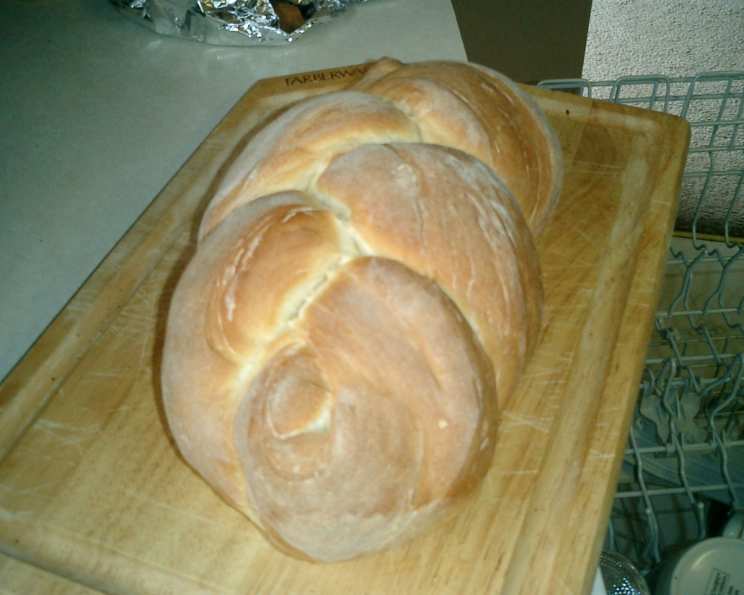
The Humble Majesty of White Bread: A Baker’s Journey Home
There’s a particular comfort that emanates from the aroma of freshly baked white bread, a scent that has always whisked me back to simpler times. For me, that scent is deeply intertwined with the transition from my British roots to life across the Atlantic. American breads, while perfectly enjoyable for many, often strike me as overly sweet, a stark contrast to the more neutral, versatile loaves I grew up with. This recipe, therefore, is more than just a set of instructions; it’s a personal quest for that quintessential, homey loaf, a bread that speaks of tradition and a satisfying hands-on experience. While I own a bread machine, its output often leans towards a cakey texture, a compromise I’m unwilling to make when the very soul of good bread lies in its crumb. This simple recipe, kneaded by hand, is my answer, a gateway to that wonderfully comforting, familiar taste.
Recipe Overview
- Prep Time: Approximately 30 minutes (plus proving time)
- Cook Time: 30 minutes
- Total Time: Approximately 2 hours 15 minutes (plus optional chilling)
- Servings: 1 loaf
- Yield: 1 loaf
- Dietary Type: Vegetarian
Ingredients
- 3 cups strong white bread flour
- 1/4 ounce dried active dry yeast
- 1/2 pint milk
- 1/2 pint water
- 1 teaspoon sugar
- 1 teaspoon salt
- 1/4 teaspoon white pepper
- 1 tablespoon Crisco (or other solid vegetable shortening)
- 1 tablespoon butter, room temperature
Equipment Needed
- Microwaveable jar or bowl
- Small bowl (for proving yeast)
- Large mixing bowl
- Measuring cups and spoons
- Clean work surface
- Cling film (plastic wrap)
- Loaf pan (approximately 9×5 inches), greased
- Baking sheet
- Pastry brush
Instructions
- Begin by combining the milk and water in a microwaveable jar or bowl. Heat this mixture for 1 minute in the microwave until it’s lukewarm. It should feel comfortably warm to the touch, not hot.
- In a small bowl, combine the dried active dry yeast, sugar, and a small amount of the warm milk and water mixture. Stir gently to combine and allow this to prove for about 10 minutes. You’ll know it’s ready when it has doubled in volume and has a frothy, bubbly appearance. This is your yeast activating, a crucial step for a good rise.
- In a large mixing bowl, add the strong white bread flour, salt, and white pepper. Stir these dry ingredients together to ensure they are evenly distributed throughout the flour.
- Next, add the butter and Crisco to the flour mixture. Using your fingertips, rub the fats into the flour until the mixture resembles fine breadcrumbs. This process, known as “cutting in,” helps to create a tender crumb in the final loaf.
- Once the yeast has proven and is frothy, create a well in the center of your flour mixture in the large bowl. Pour the activated yeast mixture into the well. Gradually add the remaining milk and water mixture, stirring with your hands or a wooden spoon to incorporate the flour from the sides into the wet ingredients. Continue adding the liquid a little at a time until a soft dough begins to form. The exact amount of liquid needed can vary slightly depending on the moisture content of your flour, so don’t feel you must use all of it, or that you can’t add a tiny bit more if needed.
- Dust your hands and a clean work surface with a little flour. Turn the dough out onto the floured surface. Knead the dough for 10 minutes. This is where the gluten develops, giving the bread its structure and chew. You may need to add a little more flour to your hands and the dough to prevent sticking, but be sparing – too much extra flour can make the bread dense. The dough is ready when it is smooth and elastic.
- Lightly grease a large bowl with cooking spray (like Pam, as suggested) to prevent sticking. Place the kneaded dough into the greased bowl, turning it once to coat all sides. Cover the bowl with cling film and leave it in a warm area to rise for about 1 to 1.5 hours, or until it has doubled in size. A slightly warm oven (turned off, of course) or a spot near a gentle heat source works well.
- Once the dough has risen, gently punch it down to release the air. Turn the dough out onto a lightly floured surface and knead for 5 minutes. This further develops the gluten and refines the texture. At this stage, the dough can be divided and placed into ziplock bags and stored in the refrigerator for up to 3 days. If refrigerating, remember that it will continue to rise, so ensure you use quart-sized bags to allow for expansion.
- For immediate baking, shape the dough into your desired loaf shape, or place it into a pre-greased loaf pan.
- Preheat your oven to 400°F (200°C).
- Cover the shaped dough (either in the pan or as a free-form loaf on a baking sheet) and leave it to rise again for about 15 minutes. This second rise, often called “proofing,” ensures a light and airy loaf.
- When the dough has risen for its second proof, prepare an egg wash (a beaten egg, optionally with a splash of milk or water) and optionally some sesame seeds and a little kosher salt. Brush the top of the risen dough with the egg wash, then sprinkle with the sesame seeds and kosher salt, if using.
- Bake at 400°F (200°C) for about 30 minutes. The bread is done when it is golden brown on top and sounds hollow when you tap the bottom.
Expert Tips & Tricks
The key to a perfect white loaf lies in the quality of your flour and the care you take during kneading and proving. Using strong white bread flour is essential, as its higher protein content is what allows for good gluten development, leading to that desirable chewy texture. Don’t be afraid to get your hands in there and knead; it’s a therapeutic process and fundamental to bread making. If your dough feels too wet during kneading, resist the urge to add a lot of extra flour. Instead, try lightly flouring your hands and the work surface. When it comes to proving, patience is a virtue. A warm environment will speed up the process, but it’s better to let it rise slowly in a cooler spot than to rush it. The dough continuing to rise in the fridge is a wonderful convenience, allowing you to have fresh bread ready for breakfast with minimal fuss. For an even more rustic crust, you can place a small oven-safe dish filled with water on the bottom rack of your oven during the initial stages of baking. This creates steam, which helps the crust form beautifully.
Serving & Storage Suggestions
This classic white bread is at its absolute best served warm, fresh from the oven. Slice it generously and enjoy it with a good quality butter, perhaps a dollop of homemade jam, or alongside a hearty soup. It’s also the perfect foundation for sandwiches, toast, or even French toast. Leftovers can be stored at room temperature, wrapped tightly in a bread bag or a clean kitchen towel, for 2-3 days. If you find you have more than you can eat, it freezes exceptionally well. Slice the loaf, wrap the slices tightly in plastic wrap, and then place them in a freezer bag. Frozen bread will keep for up to 3 months. To reheat, you can toast individual slices or wrap the whole loaf in foil and warm it gently in a moderate oven (around 300°F/150°C) for 10-15 minutes.
Nutritional Information
| Nutrient | Amount per Serving | % Daily Value |
|---|---|---|
| Calories | 147.9 kcal | |
| Calories from Fat | 27 g | |
| Total Fat | 3.1 g | 4% |
| Saturated Fat | 1.4 g | 7% |
| Cholesterol | 5.4 mg | 1% |
| Sodium | 211.9 mg | 8% |
| Total Carbohydrate | 25.4 g | 8% |
| Dietary Fiber | 1 g | 3% |
| Sugars | 0.4 g | 1% |
| Protein | 4.1 g | 8% |
(Note: Nutritional information is an estimate and can vary based on specific ingredients and brands used.)
Variations & Substitutions
While this recipe is for a classic white loaf, there are numerous ways to adapt it. For a slightly richer bread, you could substitute some of the water with milk, or even use buttermilk for an extra tang. If you’re looking to add a subtle flavor, consider incorporating a tablespoon of honey or maple syrup along with the sugar. For a truly hearty loaf, you could try incorporating a small percentage of whole wheat flour or rye flour into the mix, though you may need to adjust the liquid slightly. Once the dough has risen and been kneaded the second time, you could also gently mix in herbs, seeds (like poppy, sunflower, or pumpkin), or even finely grated cheese before shaping.
FAQs (Frequently Asked Questions)
Q: Why is my bread dense?
A: Bread can be dense due to insufficient kneading (not enough gluten development), over-proofing (the yeast has exhausted itself), or adding too much flour during kneading. Ensure you knead thoroughly and allow adequate rising time in a warm place.
Q: What is the best way to tell if my bread is fully baked?
A: The most reliable method is to tap the bottom of the loaf. If it sounds hollow, it’s done. The crust should also be a deep golden brown.
Q: Can I use instant yeast instead of active dry yeast?
A: Yes, you can. If using instant yeast, you can often skip the proving step and mix it directly with the dry ingredients. However, to be safe and ensure it’s active, it’s still a good practice to incorporate it with a little warm liquid first.
Q: My dough is sticking to my hands, what should I do?
A: Lightly flour your hands and the work surface. Avoid adding too much flour to the dough itself, as this can make the bread dense. Keep your hands lightly floured throughout the kneading process.
Q: How can I get a nice, crusty exterior?
A: The steam method described in the expert tips (placing a pan of water in the oven) is highly effective for creating a crisp crust. Ensure your oven is properly preheated before baking.
A Taste of Comfort
There’s a profound satisfaction in transforming simple ingredients into a loaf of beautiful, golden-brown bread. This white bread recipe is a testament to that, a gentle reminder that some of the greatest pleasures in life are handcrafted. Whether you’re a seasoned baker or embarking on your first bread-making adventure, I encourage you to try this recipe. The aroma filling your kitchen, the feel of the dough beneath your hands, and the eventual reward of that first warm, crusty slice are experiences that nourish the soul. Share it with loved ones, or simply savor it yourself – this humble loaf is a true comfort.