
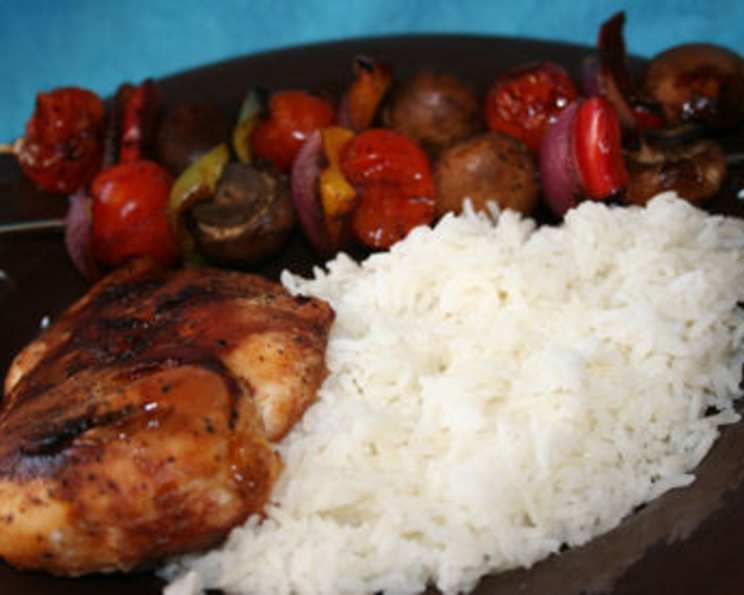
The Humble White Rice: A Foundation of Flavor and Comfort
There’s a certain magic in the simplicity of a perfectly cooked pot of white rice. For me, it’s more than just a side dish; it’s a whisper of my grandmother’s kitchen, the comforting aroma that signaled a delicious meal was imminent. I remember, as a child, my grandmother would meticulously rinse the rice, her hands moving with a practiced grace, before it went into the pot. That ritual, steeped in generations of culinary wisdom, is a memory I carry with me every time I prepare this fundamental grain. It’s the base upon which so many culinary traditions are built, a blank canvas ready to absorb the vibrant flavors of any cuisine.
Recipe Overview
- Prep Time: 5 minutes
- Cook Time: 25 minutes
- Total Time: 30 minutes
- Servings: 4-6
- Yield: Approximately 3 cups cooked rice
- Dietary Type: Vegan, Gluten-Free, Dairy-Free
Ingredients
- 1 cup rice (long-grain white rice is ideal for this method)
- 2 cups water
- 1 tablespoon oil (vegetable, canola, or even a light olive oil)
- 1 teaspoon salt
Equipment Needed
- Medium saucepan with a tight-fitting lid
- Measuring cups and spoons
- Colander (optional, for rinsing)
Instructions
Embarking on the journey to perfect white rice is a straightforward, yet rewarding, endeavor. The key lies in understanding the basic ratios and a few fundamental techniques that ensure a fluffy, never-sticky outcome. This recipe is designed for simplicity and consistency, yielding excellent results every time.
- Prepare the Rice (Optional but Recommended): You have the option of rinsing the rice or not. I personally find that rinsing the rice in cold water helps to remove some of the surface starch, which can prevent the grains from clumping together and result in a lighter, fluffier texture. To do this, place the rice in a fine-mesh colander and rinse under cold running water, swirling the grains gently with your fingers, until the water runs mostly clear.
- Combine Ingredients: In a medium saucepan, combine the rice, water, oil, and salt. The oil not only adds a touch of richness but also aids in preventing the rice from sticking to the bottom of the pan. The salt enhances the natural flavor of the rice.
- Bring to a Boil: Place the saucepan over medium-high heat and bring the mixture to a rolling boil. It’s important to reach a full boil before proceeding to the next step.
- Cover and Simmer: Once the water is boiling vigorously, immediately cover the saucepan with a tight-fitting lid. Then, turn the heat down to a medium simmer. This gentle heat is crucial for allowing the rice to cook through without scorching.
- Cook: Let the rice simmer for 20 minutes. Resist the urge to lift the lid during this time; the steam trapped inside is essential for the cooking process.
- Rest Off Heat: After 20 minutes, remove the saucepan from the heat. Keep the lid covered and allow the rice to stand for an additional 5 minutes. This resting period allows the steam to finish cooking the grains evenly and lets them absorb any remaining moisture.
- Fluff and Serve: After the resting period, remove the lid. Use a fork to gently fluff the rice, separating the grains. You may then rinse it again in hot water, drain, and serve immediately. The second rinse in hot water, as suggested, can further enhance the texture and remove any residual starch, though this step is truly optional.
Expert Tips & Tricks
Mastering the art of cooking white rice is one of the most fundamental skills a home cook can possess. While this recipe is designed for simplicity, a few extra touches can elevate it from good to exceptional.
- The Rinse Debate: As mentioned, rinsing is a personal preference. If you desire a stickier, more pudding-like texture, skip the rinse entirely. If you’re aiming for distinct, separate grains, rinsing is your friend. A final rinse in hot water after cooking can help achieve that elusive fluffiness, especially if you’ve had issues with clumping in the past.
- Lid Tightness: Ensure your saucepan lid fits snugly. If it’s loose, steam will escape, and your rice may not cook evenly or could end up dry. A piece of aluminum foil placed under a slightly loose lid can create a better seal in a pinch.
- The Resting Phase is Non-Negotiable: This is where the magic truly happens. Don’t skip the 5-minute rest off the heat. This allows the grains to become tender and absorb the last vestiges of steam, resulting in perfectly cooked, fluffy rice.
- Avoid Stirring During Cooking: Unless you’re making risotto, resist the temptation to stir your white rice while it’s simmering. Stirring releases starch, which can make the rice gummy.
Serving & Storage Suggestions
Perfectly cooked white rice is incredibly versatile. It’s the ideal companion to a vast array of dishes, from fragrant curries and stir-fries to grilled meats and roasted vegetables. Serve it hot, letting its subtle aroma complement your main course.
For storage, allow the cooked rice to cool completely before transferring it to an airtight container. It will keep well in the refrigerator for 3 to 4 days. Reheating is best done gently. You can microwave it with a tablespoon or two of water added to restore moisture, or gently warm it in a non-stick skillet over low heat, again with a splash of water. Avoid storing rice at room temperature for extended periods, as this can create a food safety risk.
Nutritional Information
(Based on approximate values per serving, assuming 6 servings)
| Nutrient | Amount per Serving | % Daily Value |
|---|---|---|
| Calories | 206 kcal | 10% |
| Total Fat | 3.7 g | 5% |
| Saturated Fat | 0.5 g | 2% |
| Cholesterol | 0 mg | 0% |
| Sodium | 584 mg | 25% |
| Total Carbohydrate | 39 g | 14% |
| Dietary Fiber | 0.7 g | 3% |
| Sugars | 0 g | 0% |
| Protein | 3.2 g | 6% |
Note: Nutritional values are estimates and can vary based on specific ingredients and brands used.
Variations & Substitutions
While this recipe focuses on the classic simplicity of white rice, there are numerous ways to adapt it to your palate and pantry.
- Aromatic Infusion: Before cooking, add a few slices of ginger, a clove of garlic, or a bay leaf to the water for a subtle aromatic boost.
- Herbal Notes: Stir in fresh chopped herbs like parsley, cilantro, or chives after the rice has been fluffed for added freshness and color.
- Spiced Rice: For a hint of warmth, add a pinch of turmeric for color and a subtle earthy flavor, or a small piece of cinnamon stick during cooking.
- Broth Base: For a richer flavor, substitute half of the water with low-sodium vegetable or chicken broth.
- Coconut Rice: For a delightful Southeast Asian twist, replace one cup of water with one cup of full-fat coconut milk and omit the salt, as coconut milk often contains it.
FAQs (Frequently Asked Questions)
Q: Why is my white rice sticky or mushy?
A: This is often due to excess starch. Ensure you are rinsing the rice thoroughly before cooking, and try to avoid stirring the rice while it simmers. A tight-fitting lid and proper resting time also contribute to preventing mushiness.
Q: Can I use brown rice with this recipe?
A: While this recipe is optimized for white rice, you can adapt it for brown rice. Brown rice requires more liquid and a longer cooking time. Typically, you would use 2.5 cups of water per cup of brown rice and simmer for 40-45 minutes, followed by a 10-minute rest.
Q: How do I prevent the bottom of the rice from burning?
A: Ensure your heat is on a medium simmer after the initial boil. The oil in the recipe also helps to create a barrier. If you’re prone to scorching, consider using a heavier-bottomed pot.
Q: What is the purpose of adding oil to the rice?
A: The oil adds a subtle richness and, more importantly, helps to keep the rice grains separated by coating them lightly, preventing them from sticking together and creating a fluffier texture.
Q: Can I double or triple this recipe?
A: Yes, you can easily scale this recipe up. Maintain the 1:2 ratio of rice to water and adjust the salt and oil proportionally. Ensure your pot is large enough to accommodate the increased volume.
The simple act of preparing white rice is a gateway to countless culinary adventures. It’s a testament to how the most basic ingredients, treated with care and attention, can become the star of any meal. Whether you’re a seasoned cook or just starting your journey, mastering this fundamental recipe will serve you well. Give it a try, experiment with the variations, and discover your own favorite way to enjoy this universally beloved grain.