
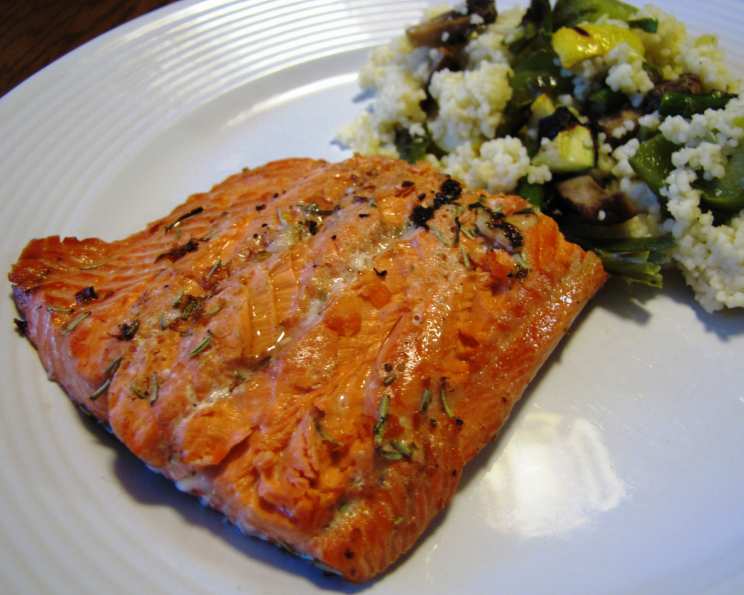
White Wine Grilled Salmon: A Taste of Summer Sunshine
There’s something undeniably magical about grilling. The sizzle of protein hitting hot grates, the intoxicating aroma of smoke mingling with herbs, the anticipation of a perfectly cooked meal enjoyed al fresco. For me, no dish captures this essence quite like salmon, especially when kissed by the bright, zesty notes of white wine and garlic. I remember one particularly glorious summer evening, the air thick with the scent of jasmine from the garden, when I first attempted this recipe. My guests were mesmerized by the simplicity and the depth of flavor, and the requests for the recipe began that very night. It’s a dish that has since become a staple, a culinary beacon of happy gatherings and delicious memories.
Recipe Overview
- Prep Time: 15 minutes
- Cook Time: 10-12 minutes
- Total Time: at least 1 hour 15 minutes (including marinating)
- Servings: 4
- Dietary Type: Gluten-Free, Dairy-Free
Ingredients
This recipe is remarkably straightforward, relying on fresh ingredients to shine. The marinade is the star, infusing the salmon with bright, herbaceous flavors that complement its natural richness.
- 1 lb salmon fillet, sliced into 4 individual portions
- 1 cup dry white wine (or enough to cover most of the fish)
- 1-2 garlic cloves, minced
- 1/2 teaspoon dried rosemary
- 1/2 teaspoon crushed red pepper flakes
- 1 tablespoon olive oil
- 1 dash hot sauce
- Salt and pepper to taste
Notes on Ingredients:
- Salmon Fillet: Opt for skin-on fillets if you prefer a crisper skin. The skin acts as a natural barrier and helps prevent the salmon from drying out.
- Dry White Wine: A crisp, unoaked white wine like Sauvignon Blanc, Pinot Grigio, or a dry Vermouth works beautifully. Avoid sweet wines, as they can overpower the delicate flavor of the fish. If you don’t have wine, you can substitute with an equal amount of chicken or vegetable broth, though the flavor profile will be slightly different.
- Garlic: Use fresh garlic for the most potent flavor. Adjust the quantity to your personal preference.
- Herbs: Fresh rosemary can be used in place of dried; you’ll need about 1-2 teaspoons of finely chopped fresh rosemary.
- Crushed Red Pepper Flakes: These add a subtle warmth. If you prefer a spicier kick, increase the amount slightly.
- Hot Sauce: A dash of your favorite hot sauce adds a touch of complexity and a very mild underlying heat without overpowering the other flavors.
Equipment Needed
This recipe requires minimal equipment, making it ideal for a weeknight meal or a relaxed weekend barbecue.
- A non-metallic shallow dish or resealable plastic bag for marinating
- A grill (charcoal or gas)
- Tongs
- A spatula
Instructions
The beauty of this dish lies in its simplicity. The marinating time is crucial for infusing the salmon with flavor, while the grilling process is quick and ensures a perfectly cooked, flaky result.
-
Prepare the Marinade: In a shallow, non-metallic dish (glass, ceramic, or a sturdy resealable plastic bag works best to prevent any metallic reactions), pour in the dry white wine. Add the minced garlic, dried rosemary, crushed red pepper flakes, olive oil, and a dash of hot sauce. Season generously with salt and pepper. Whisk or stir everything together to combine.
-
Marinate the Salmon: Gently place the salmon fillet portions into the marinade. Ensure the wine covers most of the fish. Turn the salmon pieces occasionally to allow them to marinate evenly. Allow the salmon to marinate for at least one hour in the refrigerator. For a more intense flavor, you can marinate for up to two hours, but avoid marinating for much longer, as the wine’s acidity can begin to “cook” the fish, altering its texture.
-
Preheat the Grill: While the salmon is marinating, preheat your grill to a medium-high heat. You want the grates to be hot enough to sear the fish and create those desirable grill marks, but not so hot that the exterior burns before the interior is cooked.
-
Grill the Salmon (Flesh Side Down): Carefully remove the salmon portions from the marinade, allowing any excess liquid to drip back into the dish. Discard the remaining marinade. Place the salmon fillets flesh side down onto the preheated grill grates. Grill for 5 to 6 minutes. You should see good searing marks develop and the fish will start to turn opaque around the edges.
-
Grill the Salmon (Skin Side Down): Using a spatula and tongs, carefully flip the salmon so that it is skin side down. Continue to grill for another 5 to 6 minutes, or until the fish is cooked through and flakes easily with a fork. The exact cooking time will depend on the thickness of your salmon fillets and the temperature of your grill.
-
Avoid Overcooking: It is crucial not to overcook the salmon. Overcooked salmon becomes dry and loses its delicate texture. The flesh should be opaque and moist, with flakes that easily separate.
Expert Tips & Tricks
As a chef, I’ve learned that a few key techniques can elevate even the simplest dishes. For this white wine grilled salmon, focusing on quality ingredients and precise execution makes all the difference.
- Pat Dry: Before grilling, gently pat the salmon fillets dry with paper towels. This helps create a better sear and prevents sticking.
- Clean Grates: Ensure your grill grates are thoroughly cleaned and lightly oiled. This is paramount to prevent the delicate salmon from sticking and tearing. A grill brush is your best friend here.
- Doneness Test: The most reliable way to check for doneness is the “flake test.” Insert a fork into the thickest part of the fillet and gently twist. If it flakes easily, it’s ready. You can also use an instant-read thermometer; the internal temperature should reach around 145°F (63°C).
- Resting: While not strictly necessary for such a quick-cooking item, allowing the salmon to rest for a minute or two off the heat before serving can help redistribute the juices, resulting in an even more succulent bite.
Serving & Storage Suggestions
This white wine grilled salmon is a versatile dish that pairs beautifully with a wide array of accompaniments.
- Serving: Serve immediately after grilling. It’s wonderfully accompanied by a fresh green salad, roasted asparagus, lemon-herb roasted potatoes, or a light pilaf. A squeeze of fresh lemon juice over the top just before serving adds an extra burst of brightness.
- Storage: Leftover grilled salmon can be stored in an airtight container in the refrigerator for up to 2 days. While it’s best enjoyed fresh, it can be reheated gently. Avoid microwaving, which can make it tough. Instead, try warming it briefly in a skillet over low heat with a splash of water or broth, or in a low oven (around 300°F / 150°C) until just warmed through.
Nutritional Information
Please note: Nutritional values are estimates and can vary based on specific ingredients and portion sizes.
| Nutrient | Amount per Serving | % Daily Value |
|---|---|---|
| Calories | 212.4 kcal | |
| Calories from Fat | ||
| Total Fat | 7.3 g | 11% |
| Saturated Fat | 1.1 g | 5% |
| Cholesterol | 59.1 mg | 19% |
| Sodium | 79.9 mg | 3% |
| Total Carbohydrate | 1.9 g | 0% |
| Dietary Fiber | 0.1 g | 0% |
| Sugars | 0.6 g | 2% |
| Protein | 22.8 g | 45% |
Variations & Substitutions
While this recipe is wonderful as is, there’s always room for creativity in the kitchen!
- Citrus Twist: Add a few thin slices of lemon or lime to the marinade for an extra layer of bright, citrusy flavor.
- Herb Variations: Feel free to experiment with other complementary herbs. Thyme, dill, or even a touch of tarragon would be delightful additions.
- Spicy Kick: For those who love heat, increase the crushed red pepper flakes or add a thinly sliced jalapeño to the marinade.
- Different Wine: If white wine isn’t your preference, a dry rosé or even a light, crisp lager could be used, though the flavor profile will shift.
FAQs
Q: Can I make this recipe indoors if I don’t have a grill?
A: Absolutely! You can achieve similar results by pan-searing the salmon in a hot, oiled skillet over medium-high heat, or by baking it in a preheated oven at 400°F (200°C) for about 12-15 minutes, depending on thickness.
Q: How do I know if my salmon is fresh?
A: Fresh salmon should have a firm texture, bright color, and a clean, oceanic smell, not a strong “fishy” odor.
Q: What kind of white wine is best for marinating?
A: A dry, unoaked white wine like Sauvignon Blanc or Pinot Grigio is ideal, as it won’t impart too much sweetness or oakiness.
Q: Can I use salmon steaks instead of fillets?
A: Yes, you can. Adjust the marinating and grilling times based on the thickness of the steaks.
Q: Is it safe to eat salmon that has been marinated in wine for a long time?
A: Marinating for a short period, up to 2 hours, is perfectly safe and beneficial for flavor. Prolonged marinating (over 4 hours) can begin to alter the texture due to the acidity.
Final Thoughts
This white wine grilled salmon is more than just a recipe; it’s an invitation to savor the simple pleasures of good food and good company. It’s the kind of dish that brings people together, sparking conversation and creating lasting memories. I encourage you to try it the next time you’re looking for a flavorful, healthy, and impressively easy meal. Serve it with your favorite summer sides, a chilled glass of the very white wine you used in the marinade, and enjoy the delicious result of your culinary adventure. I’d love to hear how it turns out for you!