
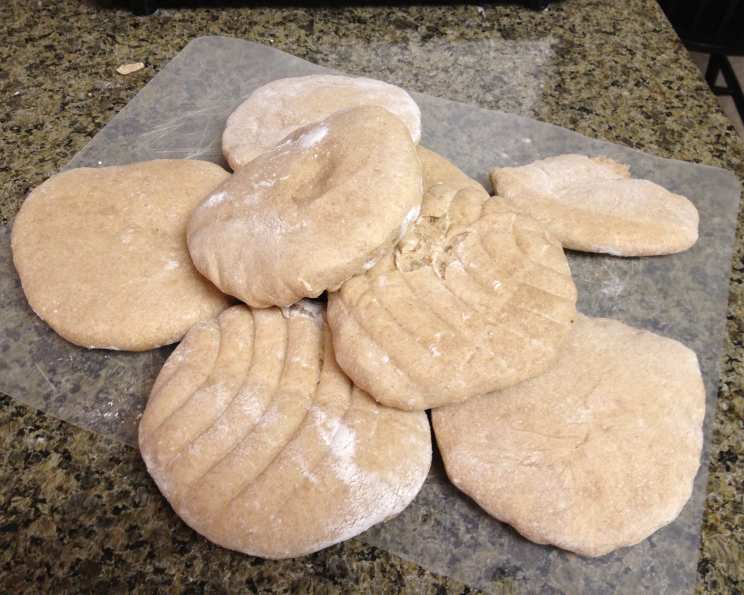
The Humble Hug of Whole Wheat Pita: From Bread Machine to Pocket Perfection
There’s a unique magic to the aroma of baking bread, a primal comfort that instantly transports me back to my grandmother’s kitchen. While her sourdough was legendary, it was the simple, pillowy whole wheat pitas that truly held a special place in my heart. She’d make them on slower weekends, the scent of warm flour and yeast filling every nook and cranny. We’d eat them warm, still slightly steamy, tearing off pieces to dip into her rich lentil soup or to cradle some spiced lamb kofta. These weren’t just breads; they were edible vessels of love and tradition, and recreating that feeling with the ease of a bread machine has been a culinary quest I’ve cherished.
Recipe Overview
- Prep Time: 10 minutes
- Cook Time: 15-20 minutes
- Total Time: 1 hour 45 minutes
- Servings: 8
- Yield: 8 pitas
- Dietary Type: Vegan
Ingredients
To achieve those delightful pockets and a hearty, wholesome flavor, you’ll need these simple ingredients:
- 1 1/8 cups water, warm
- 1 tablespoon olive oil
- 1 1/2 cups bread flour
- 1 1/2 cups whole wheat flour
- 1 teaspoon salt
- 1 1/2 teaspoons white sugar
- 1 1/2 teaspoons active dry yeast
Equipment Needed
While the bread machine does the heavy lifting for the dough, you’ll want a few other essentials:
- Bread machine
- Lightly floured work surface
- Sharp knife
- Rolling pin
- Clean kitchen towel or sealed brown paper bag
- Wire cake rack
- Oven
Instructions
The beauty of using a bread machine for pita dough lies in its simplicity and consistency. It’s a set-it-and-forget-it approach to a sometimes finicky dough.
- Prepare the Dough: Begin by placing all the ingredients into your bread pan. It’s generally best to add the liquids first, followed by the flours, salt, and sugar. Finally, create a small well in the center of the dry ingredients and add the active dry yeast.
- Dough Cycle: Select the Dough setting on your bread machine. This cycle typically involves mixing, kneading, and a first rise. Start the machine and let it work its magic. You’ll know the cycle is complete when the machine beeps.
- Turn Out the Dough: Once the machine signals the end of the dough cycle, carefully turn the risen dough out onto a lightly floured work surface. The dough should be soft, elastic, and have a pleasant, yeasty aroma.
- Shape the Rope: Gently roll and stretch the dough into a long, even rope. Aim for a rope that’s about 12 inches in length.
- Divide the Dough: Using a sharp knife, divide the dough rope into 8 equal pieces. Each piece will form one pita.
- Form the Balls: Take each piece of dough and roll it into a smooth ball. Tuck the edges under to create tension on the surface, ensuring a nice, round shape.
- Roll the Pitas: On your lightly floured surface, use a rolling pin to roll out each dough ball into a 6 to 7 inch circle. Try to maintain an even thickness across the entire circle. If the dough springs back too much, let it rest for a few minutes before continuing to roll.
- Second Rise: Arrange the rolled-out pita circles on your floured countertop. Cover them with a clean kitchen towel to prevent them from drying out. Allow the pitas to rise for about 30 minutes, or until they are slightly puffy. This second rise is crucial for achieving that characteristic puff.
- Preheat the Oven: While the pitas are rising, preheat your oven to a very high temperature: 500 degrees F (260 degrees C). A hot oven is key to making the pitas puff up dramatically.
- Bake the Pitas: Carefully place 2 or 3 pitas at a time directly onto a wire cake rack. Place the wire cake rack directly onto the oven rack. This allows hot air to circulate around the pitas, promoting even baking and puffing.
- Watch for Puffing: Bake the pitas for 4 to 5 minutes. You’re looking for them to puff up significantly and for the tops to begin to brown slightly. Keep a close eye on them, as they bake very quickly at this high temperature.
- Softening Technique: As soon as the pitas are removed from the oven, immediately place them into a sealed brown paper bag or cover them with a damp kitchen towel. This step is essential for ensuring your pitas remain soft and pliable. The steam trapped by the bag or towel will prevent them from becoming dry and brittle.
- Serve or Store: Once the pitas have softened, you can either cut them in half to create two pockets, or carefully split the top edge to create a single pocket.
Expert Tips & Tricks
- Yeast Activation: For active dry yeast, always ensure it’s fresh. You can test its viability by dissolving it in a little warm water with a pinch of sugar. If it becomes foamy within 5-10 minutes, it’s good to go.
- Flour Power: While whole wheat flour adds a wonderful nutty flavor and nutrients, it can sometimes absorb more liquid than all-purpose flour. If your dough seems a bit dry in the bread machine, you can add a teaspoon or two more water, a tablespoon at a time.
- Oven’s Heat: Every oven is different! If your oven tends to run cool, you might need to increase the baking time slightly. Conversely, if it runs hot, watch the pitas very closely to prevent burning.
- The Puff is Real: The high heat and direct contact with the oven rack (via the cake rack) are what cause that magical puff. Don’t be tempted to use a baking sheet, as it can insulate the pitas and prevent them from rising properly.
- The Softening Secret: Don’t skip the paper bag or damp towel step. This is the difference between a wonderfully soft pita and a cracker-like one.
Serving & Storage Suggestions
These whole wheat pitas are incredibly versatile. Serve them warm, either cut in half or with the top split open. They are perfect for:
- Sandwiches and Wraps: Fill them with your favorite deli meats, cheeses, vegetables, or hummus and falafel for a delicious vegetarian option.
- Dipping: They are the ideal accompaniment to hearty soups, stews, dips like baba ghanoush or tzatziki, and even curries.
- Pizza Bases: For a quick and healthy pizza, top a pita with sauce, cheese, and your favorite toppings and bake until bubbly.
Storage:
Once softened, whole wheat pitas can be stored in a plastic bag in the refrigerator for several days. For longer storage, you can freeze them for 1 to 2 months. When ready to use from frozen, simply thaw them at room temperature or gently warm them in a toaster or oven.
Nutritional Information
Here’s an approximate nutritional breakdown for these wholesome pita breads:
| Nutrient | Amount per Serving | % Daily Value |
|---|---|---|
| Calories | 182.2 kcal | |
| Calories from Fat | 2.5 g | 3% |
| Saturated Fat | 0.4 g | 1% |
| Cholesterol | 0 mg | 0% |
| Sodium | 293 mg | 12% |
| Total Carbohydrate | 35.2 g | 11% |
| Dietary Fiber | 3.2 g | 12% |
| Sugars | 0.9 g | 3% |
| Protein | 5.7 g | 11% |
Note: Nutritional values are estimates and can vary based on specific ingredients used.
Variations & Substitutions
While this recipe is fantastic as is, here are a few ideas to jazz it up:
- Herbed Pita: Add a tablespoon of finely chopped fresh herbs like rosemary, thyme, or oregano to the dry ingredients for an aromatic twist.
- Seeded Pita: Incorporate a tablespoon or two of sesame seeds, poppy seeds, or flaxseeds into the dough for added texture and flavor.
- Gluten-Free Option: For a gluten-free version, you would need to experiment with a gluten-free flour blend specifically designed for bread. The liquid and yeast quantities might need significant adjustments, and the texture will likely be different.
- Spiced Pita: A pinch of cumin, coriander, or even a dash of cayenne pepper can elevate these pitas for more adventurous palates.
FAQs
Q: Why didn’t my pitas puff up?
A: Several factors can prevent puffing: the oven wasn’t hot enough, the pitas were too thick, or they sat too long after rolling and lost their gas. Ensure your oven is fully preheated to 500°F (260°C) and the pitas are only puffed slightly after their second rise.
Q: Can I use all whole wheat flour?
A: While you can use all whole wheat flour, the texture of the pita might be denser. The combination with bread flour helps create a lighter, more pliable dough that is more likely to puff.
Q: How long does the dough cycle usually take in a bread machine?
A: Dough cycles typically range from 1 hour to 1 hour 30 minutes, depending on your bread machine model. Refer to your machine’s manual for the exact timing.
Q: My pitas feel a bit dry after baking. What did I do wrong?
A: This usually happens if they aren’t properly steamed after baking. Immediately placing them in a sealed paper bag or under a damp towel is crucial for retaining moisture.
Q: Can I make the dough ahead of time?
A: Yes, you can refrigerate the dough after the initial bread machine cycle for up to 24 hours. Let it come to room temperature for about 30 minutes before shaping and proceeding with the recipe.
Final Thoughts
There’s an immense satisfaction in pulling warm, puffy whole wheat pitas from the oven, knowing you’ve created them with your own hands (with a little help from your bread machine, of course!). They are a testament to simple ingredients transforming into something truly nourishing and delicious. Whether you’re crafting a healthy lunch wrap, a comforting vessel for your favorite dip, or a quick pizza base, these pitas are sure to become a staple in your kitchen. I encourage you to give this recipe a try and savor the wholesome goodness. And if you have any creative fillings or serving ideas, I’d love to hear about them!