
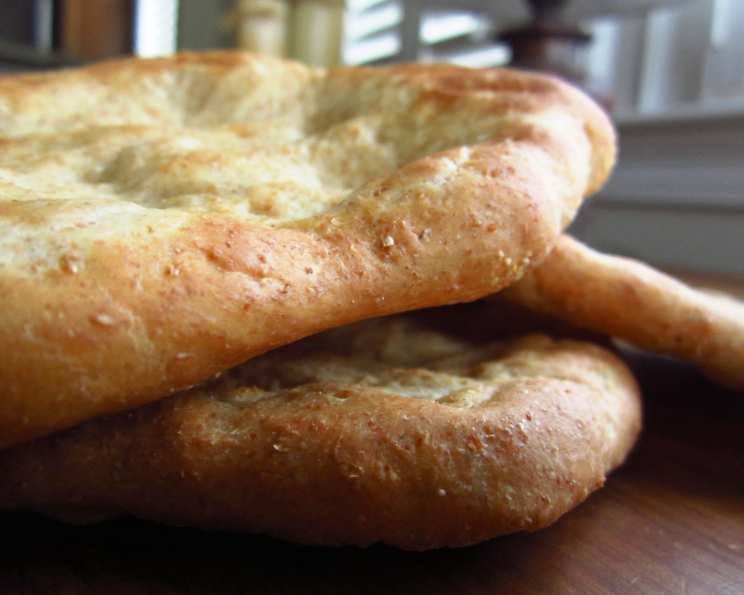
The Magic of Homemade Whole Wheat Pita Bread
There’s a particular aroma that fills my kitchen when fresh pita bread is on the rise – a comforting, yeasty perfume that instantly transports me back to my friend Liz’s kitchen. She first introduced me to the sheer joy of baking these pockets of delight, and that very recipe, with its simple ingredients and slightly magical transformation, has been a staple ever since. It’s more than just bread; it’s the promise of warm, pliable goodness, ready to embrace your favorite fillings. The taste and texture of homemade pita are leagues beyond anything store-bought, and the process itself is wonderfully engaging.
Recipe Overview
- Prep Time: 1 hour 15 minutes
- Cook Time: 6 minutes
- Total Time: 1 hour 21 minutes
- Servings: 8
- Yield: 8 (6-inch) loaves
- Dietary Type: Vegan
Ingredients
To achieve that perfect puff and tender crumb in your whole wheat pita, you’ll need these essentials:
- 1 (1/4 ounce) package active dry yeast (equivalent to 2 1/2 teaspoons)
- 1 teaspoon honey (to feed the yeast)
- 1 1/4 cups warm water (aim for a temperature between 105°F and 115°F – not too hot, not too cold!)
- 2 cups bread flour or hi-gluten flour, plus additional for kneading
- 1 cup whole wheat flour
- 1/4 cup extra virgin olive oil
- 1 teaspoon salt
- Cornmeal, for lightly sprinkling baking sheets
Equipment Needed
- Large mixing bowl
- Medium mixing bowl
- Whisk
- Plastic wrap
- Clean kitchen towels (avoid terry cloth, as it can stick)
- Floured surface for kneading and rolling
- Rolling pin
- Two baking sheets
- Oven rack positioned in the lower third of your oven
- Tongs
- Cooling rack
Instructions
The process of making pita bread is a rhythmic dance between activating yeast, developing dough, and the final, thrilling puff in a hot oven. Follow these steps carefully, and you’ll be rewarded with the most glorious homemade pita.
-
Activate the Yeast: In a large bowl, combine the active dry yeast, honey, and 1/2 cup of the warm water. Stir gently to incorporate and then let this mixture stand for about 5 minutes. You’re looking for it to become foamy and bubbly – a clear sign that your yeast is alive and ready to work its magic. If, after 5 minutes, there’s no foam, it means the yeast is likely inactive. In this case, discard the mixture and start again with a fresh package of yeast.
-
Build the Base: While the yeast mixture is resting, in a separate medium bowl, whisk together the bread flour (or hi-gluten flour) and the whole wheat flour. Once the yeast is foamy, whisk in 1/2 cup of this flour mixture into the yeast until the batter is smooth. Cover this bowl with plastic wrap and let it rest in a draft-free spot at warm room temperature. You want it to double in bulk and become bubbly, which usually takes about 45 minutes. This is the beginning of your flavorful starter.
-
Form the Dough: Once your starter has bloomed, stir in the extra virgin olive oil, salt, the remaining 3/4 cup of warm water, and the rest of the flour mixture. Mix everything until a cohesive dough begins to form.
-
Knead for Elasticity: Turn the dough out onto a lightly floured surface. Now comes the satisfying work of kneading. Work in just enough additional flour, a little at a time, to prevent the dough from sticking to your hands and the work surface. Continue kneading for 8 to 10 minutes. You’re aiming for a dough that is smooth, supple, and elastic. It should spring back slightly when you poke it.
-
The First Rise: Shape the kneaded dough into a smooth ball. Lightly oil a large bowl and place the dough ball inside, turning it to coat all sides with oil. Cover the bowl tightly with plastic wrap. Return the covered bowl to a draft-free place with warm room temperature and let the dough rise until it has doubled in bulk, which typically takes about 1 hour.
-
Divide and Shape: Gently punch down the risen dough to release the air. Cut the dough into 8 equal pieces. Roll each piece into a smooth ball. Take one dough ball and, on a floured surface, use a floured rolling pin to flatten it into a round shape, about 6 1/2 to 7 inches in diameter. Carefully transfer this round onto one of your baking sheets, which should be lightly sprinkled with cornmeal. Repeat this process with the remaining 7 dough balls, arranging them on the two prepared baking sheets.
-
Second Rest: Loosely cover the shaped pitas with two clean, dry kitchen towels (terry cloth towels are not recommended as they can stick to the dough). Let them stand at room temperature for another 30 minutes. This rest allows the dough to relax and prepare for its dramatic puff.
-
Preheat for the Puff: Position an oven rack in the lower third of your oven and remove any other racks. Preheat your oven to a very hot 500°F (260°C). This high heat is crucial for achieving that characteristic pita puff.
-
The Baking Spectacle: Working one at a time, carefully transfer 4 of the pita rounds directly onto the hot oven rack. They should puff up almost immediately. Bake for about 2 minutes, or until they are just puffed and a pale golden color. Using tongs, carefully flip each pita and bake for another 1 minute.
-
Cool and Keep Warm: Remove the baked pitas from the oven and immediately transfer them to a cooling rack. Let them cool for 2 minutes. Then, stack them loosely in a clean kitchen towel to keep them warm and pliable. Bake the remaining 4 pitas in the same manner. Serve your warm, freshly baked pita bread immediately for the best experience.
Expert Tips & Tricks
- The Oven’s Fury: The 500°F temperature is non-negotiable for achieving a good puff. If your oven doesn’t reach this temperature reliably, or if you’re concerned about direct contact with the rack, consider using a pizza stone preheated in the oven or a baking screen placed on the oven rack. Many reviewers have found success with screens.
- Dough Hydration: The amount of flour needed for kneading can vary slightly depending on humidity. The key is a dough that is no longer sticky but not overly dry.
- Don’t Overbake: Pita cooks very quickly. Overbaking will result in dry, brittle bread rather than soft, pliable pockets. Watch them closely!
Serving & Storage Suggestions
Freshly baked pita is a revelation, best enjoyed warm right from the oven. It’s the perfect vessel for falafel, shawarma, or simply dipped into your favorite hummus or baba ghanoush.
For storage, cool the pitas completely. Once cooled, you can wrap them tightly in foil and then place them inside a sealed plastic bag. They will keep well in the freezer for up to one week. To reheat, thaw them at room temperature, then wrap them in foil and warm them in a 350°F (175°C) oven for 10 to 12 minutes.
Nutritional Information
| Nutrient | Amount per Serving | % Daily Value |
|---|---|---|
| Calories | 229.5 kcal | 11% |
| Total Fat | 7.4 g | 11% |
| Saturated Fat | 1 g | 5% |
| Cholesterol | 0 mg | 0% |
| Sodium | 293.4 mg | 12% |
| Total Carbohydrate | 35.8 g | 11% |
| Dietary Fiber | 2.9 g | 11% |
| Sugars | 0.9 g | 3% |
| Protein | 5.6 g | 11% |
Note: Nutritional information is an estimate and can vary based on specific ingredients and quantities used.
Variations & Substitutions
While this recipe yields a fantastic whole wheat pita, feel free to explore:
- White Flour Pita: For a softer, lighter pita, you can substitute all of the whole wheat flour with bread flour or hi-gluten flour.
- Herbed Pita: Knead in dried herbs like oregano, thyme, or rosemary into the dough for an aromatic twist.
- Garlic Pita: Add a teaspoon of garlic powder to the dry ingredients for a savory kick.
FAQs
Q: Why didn’t my pita bread puff up?
A: Several factors can prevent puffing, including an oven not hot enough, dough that was over-kneaded or under-proofed, or the dough being rolled too thin. Ensuring your oven reaches 500°F and baking directly on the rack are key.
Q: Can I use instant yeast instead of active dry yeast?
A: Yes, you can typically substitute instant yeast for active dry yeast. You’ll likely skip the initial foaming step and can mix it directly with the dry ingredients, though you might need slightly less liquid.
Q: How can I make my pita bread softer?
A: For softer pita, ensure you don’t over-knead and that you don’t overbake. Letting them rest for a few minutes after baking, wrapped in a towel, also helps maintain moisture.
Q: My dough is too sticky to handle, what should I do?
A: Add a tablespoon of flour at a time while kneading until the dough becomes manageable but not dry. Conversely, if the dough feels too dry, a tiny bit of warm water can help.
Q: Can I make pita dough ahead of time?
A: Yes, after the first rise, you can punch down the dough, wrap it well, and refrigerate it for up to 3 days. Let it come to room temperature for about 30 minutes before shaping and baking.
The aroma of freshly baked whole wheat pita is a promise of simple, wholesome goodness. It’s a culinary achievement that’s surprisingly accessible and incredibly rewarding. This bread is more than just an accompaniment; it’s a centerpiece, ready to be filled with your favorite ingredients or savored on its own. Give this recipe a try, and I’m confident you’ll discover the unparalleled delight of homemade pita. Happy baking!