
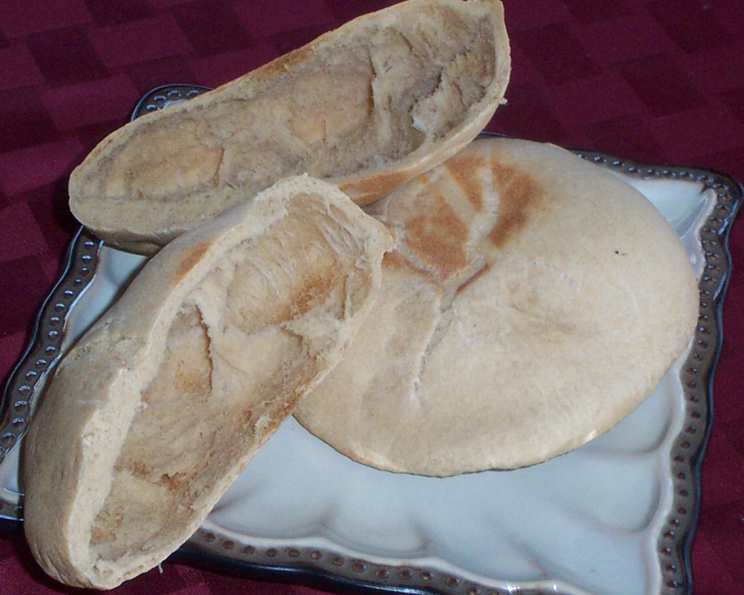
The Humble Whole Wheat Pita: A Culinary Staple Reimagined
There’s a certain comfort in the simple, unassuming pita. I remember, years ago, a fervent mission to subtly boost the whole grains in my family’s diet without sacrificing our beloved lunchtime favorites. Pita pockets were a non-negotiable staple, but the store-bought versions, often bland and uninspired, left much to be desired. My quest for a truly satisfying whole wheat pita recipe led me on a culinary adventure, a delightful exploration that finally culminated in this recipe. It’s a testament to the fact that with a little patience and the right technique, you can transform humble ingredients into something truly special, ready to embrace your favorite fillings with warmth and flavor in under an hour.
Recipe Overview
- Prep Time: 20 minutes (plus 30 minutes resting time for dough)
- Cook Time: 6 minutes per batch
- Total Time: 1 hour (approximately)
- Servings: 8
- Yield: 8 pita rounds
- Dietary Type: Vegan
Ingredients
- 1 ½ cups warm water (around 105-115°F or 40-46°C)
- 1 tablespoon fast-rising yeast
- 1 tablespoon raw honey
- 2 teaspoons salt
- 2-3 tablespoons wheat gluten
- 3 cups whole wheat flour
- 1 cup bread flour
Equipment Needed
- Large mixing bowl
- Stand mixer with dough hook attachment (optional, but highly recommended)
- Measuring cups and spoons
- Clean kitchen towels (preferably linen)
- Rolling pin
- Baking stone or heavy-duty baking sheet
- Tongs
- Wire cooling rack
Instructions
- Begin by activating your yeast. In a large mixing bowl, combine the warm water, fast-rising yeast, and raw honey. Give it a gentle stir and let it sit for about 5-10 minutes, or until the mixture becomes foamy and frothy. This indicates that your yeast is alive and ready to work its magic.
- Next, add the salt and 2 tablespoons of wheat gluten to the yeast mixture. If you’re using a stand mixer, attach the standard mixing blade. If you’re mixing by hand, proceed to the next step.
- Add 1 cup of the bread flour and 1 cup of the whole wheat flour to the bowl. Mix these ingredients well. If using a stand mixer, let it run for a couple of minutes; this is crucial for developing the gluten structure, which will contribute to the pita’s light texture.
- Incorporate another cup of the whole wheat flour. Mix again until just combined. The dough should begin to feel sticky and a bit stringy. At this stage, when you lift the mixing blade, the dough should release with relative ease, almost as if it’s peeling away. This is a good sign that the gluten is developing nicely.
- If you’re using a stand mixer, switch to the dough hook attachment. Add the last cup of whole wheat flour, and the remaining 1 tablespoon of wheat gluten. The exact amount of flour or warm water needed can vary slightly depending on the humidity and the specific flour you’re using. You’re aiming for a texture that is soft, pliable, and springs back when touched. Continue to mix for 3 to 5 minutes on medium speed until the dough achieves this desired consistency.
- Turn the dough out onto a lightly floured surface. Gently knead the dough by hand for a few minutes. You’ll notice how wonderfully soft and firm it feels. Take a moment to appreciate the texture – it’s the foundation of great pita.
- Divide the dough into 8 equal portions. Gently shape each portion into a ball.
- Cover the dough balls with a clean, non-terry linen towel and set them aside to rest for 30 minutes. This resting period allows the gluten to relax, making the dough easier to handle.
- After the dough has rested, take one ball and place it on a lightly floured surface. Gently press it down with your palm to form a small disc. Then, using a rolling pin, roll each disc into an 8-inch diameter circle, about ¼ inch thick. As you roll them out, set them aside and cover them with a damp linen towel to prevent them from drying out.
- While the rolled-out pitas are resting, place a baking stone or a heavy-duty baking sheet into your oven. Preheat the oven to 450°F (230°C). Using a baking stone is highly recommended for this recipe as it helps achieve that characteristic puff.
- After the pitas have rested for 15 minutes, it’s time to bake. Working in batches to avoid crowding, carefully place a few of the rolled-out pitas directly onto the preheated baking stone or sheet. Ensure they have enough space for air to circulate around them.
- Bake each pita for 6 minutes, or until it puffs up significantly in the center. The key here is to avoid any browning; the pitas should be pale and fully puffed. Once they puff up completely, they are done.
- Using tongs, carefully remove the puffed pitas from the oven and place them on a wire cooling rack. Immediately cover them with the damp linen towel. This step is crucial for keeping them soft and pliable.
- Continue baking the remaining pitas, working from the first one you rolled out to the last, in batches as space allows.
- Once the pitas have cooled slightly, you can cut them in half to create pockets, ready to be filled with your favorite ingredients.
Expert Tips & Tricks
- The importance of gluten: Don’t be shy with the wheat gluten! It’s what gives whole wheat flour the structure it needs to create those airy pockets. If you don’t have it, your pitas might be flatter and denser.
- Water temperature is key: Too hot, and you’ll kill the yeast; too cold, and it won’t activate. Aim for that warm, comfortable bath water temperature.
- Don’t over-flour: Resist the urge to add too much extra flour during kneading or rolling. A slightly sticky dough is desirable for a soft pita. Use just enough to prevent sticking.
- Hot oven, quick bake: The high oven temperature is essential for the rapid puffing of the pita. It needs to hit that hot surface and instantly create steam inside.
- Steam is your friend: Covering the pitas with a damp towel both during resting and after baking is non-negotiable for achieving that wonderfully soft texture.
Serving & Storage Suggestions
These whole wheat pitas are incredibly versatile. Serve them warm, fresh from the oven, and cut in half to create perfect pockets for stuffing. They are exceptional when filled with classic combinations like hummus, crisp cucumbers, fresh parsley, and ripe tomatoes. They also make a wonderful accompaniment to hearty stews, flavorful dips, or as a base for mini pizzas.
For storing leftovers, allow the pitas to cool completely. Place them in a plastic zip-top bag, pressing out as much air as possible, and store them at room temperature for up to 2 days. They can also be refrigerated for up to a week. To reheat, a quick toast in a dry skillet over medium heat, or a brief stint in a toaster oven, will bring them back to life. For longer storage, freeze them in a similar airtight manner for up to 2-3 months.
Nutritional Information
| Nutrient | Amount per Serving | % Daily Value |
|---|---|---|
| Calories | 221.8 kcal | |
| Calories from Fat | ||
| Total Fat | 1.1 g | 1% |
| Saturated Fat | 0.2 g | 0% |
| Cholesterol | 0 mg | 0% |
| Sodium | 585.7 mg | 24% |
| Total Carbohydrate | 47.3 g | 15% |
| Dietary Fiber | 6.2 g | 24% |
| Sugars | 2.4 g | 9% |
| Protein | 8.4 g | 16% |
Nutritional information is an estimate and may vary based on specific ingredients and brands used.
Variations & Substitutions
While this recipe is designed for a classic whole wheat pita, feel free to experiment! You could substitute some of the whole wheat flour with spelt flour for a slightly nuttier flavor. For those looking for a gluten-free option, a high-quality gluten-free blend designed for bread making could be used, though the texture will likely be different and may require adjustments in liquid. Adding a pinch of garlic powder or onion powder to the dry ingredients can also impart a subtle savory note.
FAQs
Q: Why did my pita not puff up?
A: Several factors can contribute to this: the oven may not have been hot enough, you might have overcrowded the baking sheet, the dough might have been over-worked or under-worked, or there could have been a leak in the dough’s seal. Ensuring a very hot oven and proper dough handling is key.
Q: Can I make this recipe without a stand mixer?
A: Absolutely! While a stand mixer with a dough hook makes kneading easier, you can achieve excellent results by hand. Be prepared for a bit more arm work during the kneading stages.
Q: My dough is too sticky. What should I do?
A: This can happen due to humidity. Add flour one tablespoon at a time until the dough is no longer excessively sticky but still soft. Avoid adding too much, as this can lead to dense pitas.
Q: How do I know when the dough is ready for proofing?
A: The dough should be soft, pliable, and spring back when gently pressed. It should feel slightly tacky but not adhere to your fingers in large globs.
Q: Can I use active dry yeast instead of fast-rising yeast?
A: Yes, but you’ll need to activate it first. Dissolve the active dry yeast with the honey and warm water, and let it bloom for about 10 minutes until foamy before proceeding with the recipe.
Final Thoughts
There’s an undeniable satisfaction that comes from pulling a batch of perfectly puffed, warm whole wheat pitas from your own oven. They are a testament to the simple joys of home baking and a delicious way to nourish yourself and your loved ones. So, gather your ingredients, embrace the process, and prepare to be rewarded with a versatile and wholesome bread that will quickly become a favorite. Enjoy them plain, stuffed to the brim, or alongside your favorite Mediterranean feast. Happy baking!