
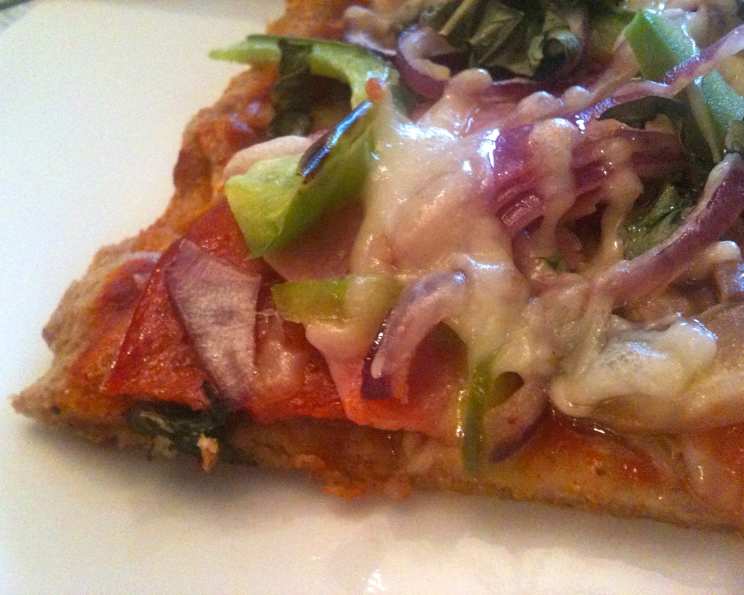
The Humble Heart of a Great Pizza: Mastering Whole Wheat Crust
There’s something deeply satisfying about the aroma of baking bread, a primal connection to nourishment and comfort that has always drawn me to the kitchen. For me, that aroma is most potent, most triumphant, when it wafts from a pizza baking in the oven. I remember my first attempts at pizza making, a clumsy ballet of flour-dusted countertops and uneven dough. It was a moment of pure revelation when I stumbled upon a truly exceptional whole wheat pizza crust recipe. It transformed my homemade pizzas from merely acceptable to genuinely craveable, proving that a sturdy, flavorful foundation is the unsung hero of any great pie. This recipe isn’t just about making pizza; it’s about building a delicious experience from the ground up.
Recipe Overview
- Prep Time: 45 minutes (including rise time)
- Cook Time: 15 minutes
- Total Time: 1 hour
- Servings: 8
- Yield: 1 pizza (12-inch)
- Dietary Type: Vegan (depending on toppings)
Ingredients
For the heart of your masterpiece, the crust, you’ll need:
- 1 tablespoon dry yeast
- 1 cup warm water (approximately 105-115°F or 40-46°C)
- 1 ½ cups whole wheat flour
- 1 teaspoon salt
Equipment Needed
While this recipe is wonderfully straightforward, a few essentials will make the process smoother:
- Medium mixing bowl
- Measuring cups and spoons
- Plastic wrap
- 12-inch pizza pan or baking sheet
- Nonstick cooking spray (optional, for pan coating)
- Your trusty oven!
Crafting the Perfect Whole Wheat Canvas: The Instructions
The journey to a fantastic whole wheat pizza crust begins with activating our yeast. This simple step is the foundation for a light and airy dough, so don’t rush it!
-
Activate the Yeast: In your medium mixing bowl, combine the warm water and dry yeast. Give it a gentle stir. Let this mixture sit undisturbed for about 5 to 10 minutes. You’re looking for a visible sign of life: a foamy, bubbly layer that should form on the surface. This indicates your yeast is active and ready to work its magic. If you don’t see this foam, your yeast might be expired, or the water temperature wasn’t quite right – it’s best to start again with fresh yeast and correctly tempered water.
-
Incorporate the Flour: Once your yeast is happily foamy, add the whole wheat flour to the bowl. Using a spoon or your hands, mix the ingredients until they are well combined. It will look shaggy at this stage, and that’s perfectly normal.
-
Add the Salt: Now, stir in the salt. Salt is crucial not just for flavor, but also for controlling the yeast’s activity and strengthening the gluten structure of the dough. Mix it in until it’s evenly distributed throughout the dough.
-
The Rise: Cover the bowl tightly with plastic wrap. Find a warm place for the dough to rest and rise. This could be a slightly warm (but turned off!) oven, a sunny windowsill, or simply a cozy corner of your kitchen. Allow the dough to rise for 45 minutes. During this time, the yeast will consume sugars in the flour and produce carbon dioxide gas, causing the dough to puff up significantly.
-
Prepare the Pan: While the dough is rising, lightly coat your 12-inch pizza pan with nonstick cooking spray if you’re using one. This helps prevent the crust from sticking, especially after baking. If you’re using a baking sheet, you can also lightly grease it or line it with parchment paper.
-
Shape the Dough: After 45 minutes, your dough should be visibly risen and doubled in size. Gently scrape the dough out of the bowl and onto your prepared pan. Now, with floured hands, begin to press the dough into a circle, working from the center outwards towards the edges of the pan. Aim to press it evenly to fill the pan right up to the edges, creating your pizza base. You can also create a slightly thicker edge for a more traditional crust.
-
Preheat the Oven: It’s time to get serious! Preheat your oven to 400 degrees Fahrenheit (200 degrees Celsius). A hot oven is key to a crisp crust.
-
Bake the Crust: Place the prepared pizza pan into the preheated oven. Bake for 15 minutes, or until the edges are golden brown and crisp. Keep an eye on it, as oven temperatures can vary. You’re looking for a nice, firm texture that will hold up to your favorite toppings.
-
Top and Bake Again: Once the crust is par-baked, carefully remove it from the oven. Now is the time to add your desired toppings – your favorite sauce, cheese, vegetables, or meats. Return the pizza to the oven and bake for an additional 10-15 minutes, or until the cheese is melted and bubbly, and any toppings are cooked through. The exact time will depend on your chosen toppings.
Chef’s Secrets: Elevating Your Whole Wheat Crust
Whole wheat flour brings a wonderful nutty flavor and a denser texture than all-purpose flour. Here are a few tricks to make your whole wheat crust truly sing:
- The Warmth Factor: Yeast thrives in warmth. If your kitchen is on the cooler side, consider warming your oven slightly (just to around 100°F/38°C), then turning it off completely before placing your dough inside to rise. This creates a gentle, consistent environment.
- Flour Power: For an even nuttier flavor and a chewier crust, you can substitute half of the whole wheat flour with white whole wheat flour or even a small amount of bread flour. Just remember to adjust the liquid slightly if the dough feels too dry or too sticky.
- Don’t Overwork It: While kneading is important for gluten development, overworking whole wheat dough can sometimes make it tough. Mix until just combined, then let the yeast do the heavy lifting during the rise.
- The Blind Bake Advantage: For pizzas with very wet toppings or if you prefer an exceptionally crisp base, you can par-bake the crust for a few minutes longer before adding your toppings. Just watch it closely to prevent burning.
Serving and Savoring Your Creation
This whole wheat pizza crust is incredibly versatile. Serve it hot from the oven, allowing its enticing aroma to fill your home. It’s perfect for a casual weeknight dinner, a fun family activity, or even a relaxed gathering with friends.
- Serving: Slice generously and enjoy immediately. For an extra touch, a sprinkle of fresh basil or a drizzle of good olive oil can elevate the finished product. This crust pairs wonderfully with robust tomato sauces, creamy ricotta, spicy pepperoni, or a medley of fresh vegetables.
- Storage: Leftover pizza is a gift that keeps on giving! Store cooled pizza slices in an airtight container in the refrigerator for up to 3-4 days. Reheat in a preheated oven at 350°F (175°C) for about 5-10 minutes, or until warmed through and the crust is crisp again. You can also reheat slices in a skillet over medium heat for a perfectly crisp bottom. Freezing is also an option; wrap individual slices tightly in plastic wrap and then in aluminum foil, and freeze for up to 2 months. Thaw in the refrigerator before reheating.
Nutritional Snapshot (Estimated per serving, excluding toppings)
| Nutrient | Amount per Serving | % Daily Value |
|---|---|---|
| Calories | 81.4 kcal | |
| Calories from Fat | 7.4 kcal | |
| Total Fat | 0.8 g | 1 % |
| Saturated Fat | 0.1 g | 1 % |
| Cholesterol | 0 mg | 0 % |
| Sodium | 292.8 mg | 12 % |
| Total Carbohydrate | 16.8 g | 6 % |
| Dietary Fiber | 2.8 g | 11 % |
| Sugars | 0.1 g | 0 % |
| Protein | 3.6 g | 7 % |
Note: Nutritional information is an estimate and can vary based on specific ingredients and preparation methods.
Variations and Substitutions
While this recipe is a classic, don’t be afraid to experiment!
- Gluten-Free Adaptation: For a gluten-free crust, you’ll need to substitute the whole wheat flour with a good quality gluten-free flour blend. You may also need to adjust the amount of water slightly, as different blends absorb liquid differently. Adding a binder like xanthan gum (usually ½ to 1 teaspoon per cup of flour) is often necessary for structure.
- Herbaceous Infusion: For an extra layer of flavor, try adding dried herbs like oregano, basil, or garlic powder directly into the dry ingredients. A tablespoon or two can make a significant difference.
- Seeded Sensation: Mix in a tablespoon or two of sesame seeds, poppy seeds, or flax seeds with the flour for added texture and a nutty boost.
Frequently Asked Questions
Q: Can I use instant yeast instead of active dry yeast?
A: Yes, you can use instant yeast. If you do, you can often skip the initial proofing step (dissolving it in water) and mix it directly with the dry ingredients. However, for this recipe, the proofing step ensures your yeast is active, so it’s a good habit to maintain.
Q: My dough didn’t rise much. What could be wrong?
A: This usually indicates inactive yeast or an incorrect water temperature. Ensure your water is warm (not hot) and your yeast is fresh. A cool environment can also slow down the rising process significantly.
Q: Can I make this dough ahead of time?
A: Yes, you can. After the initial rise, punch down the dough, cover it tightly, and refrigerate it for up to 24 hours. When ready to use, let it sit at room temperature for about 30 minutes to become more pliable before shaping.
Q: Is whole wheat crust healthier than white crust?
A: Generally, yes. Whole wheat flour retains more of the grain’s natural fiber, vitamins, and minerals compared to refined white flour, offering a more nutrient-dense option.
Q: How can I get a really crispy crust?
A: Preheat your oven thoroughly, use a pizza stone or steel if you have one, and consider par-baking the crust for a few extra minutes before adding toppings. Ensure your toppings aren’t excessively wet.
A Foundation for Deliciousness
This whole wheat pizza crust is more than just a recipe; it’s an invitation to create. It’s a testament to the beauty of simple ingredients coming together to form something truly special. The slightly rustic texture and nutty undertones of whole wheat flour provide a satisfying contrast to the bright flavors of your favorite toppings. I encourage you to try it, to feel the dough in your hands, and to experience the unparalleled joy of pulling a homemade pizza, built on this humble yet magnificent crust, from your oven. Share it with loved ones, experiment with toppings, and make it your own. Happy baking!