
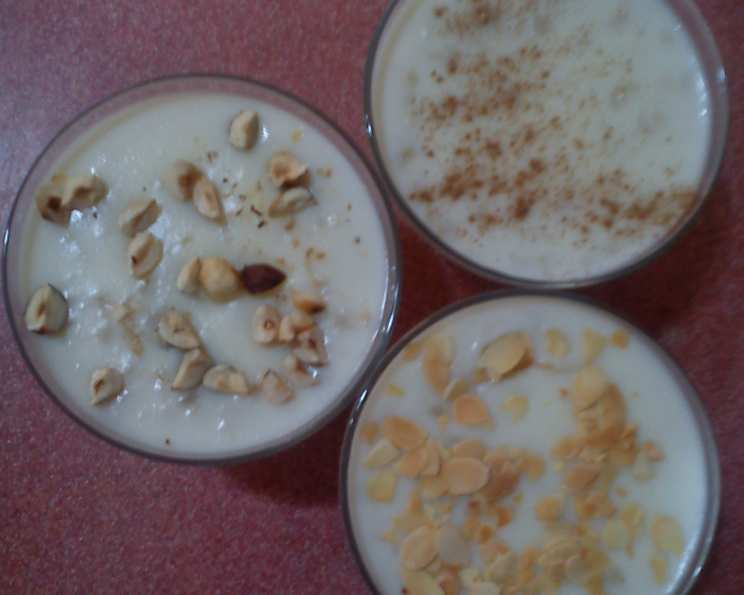
Whole Wheat Pudding (Egyptian Ashora)
There’s a certain magic that happens when ancient grains meet humble kitchen staples, creating a dessert that speaks of tradition, comfort, and the changing seasons. For me, Ashora, or Egyptian Whole Wheat Pudding, evokes cozy winter evenings and refreshing summer afternoons, a testament to its versatility and enduring appeal. I remember my grandmother, her hands dusted with flour from her daily bread-making, meticulously preparing this very pudding. The gentle simmering, the sweet aroma filling our small apartment, and the final sprinkle of toasted nuts were all part of a cherished ritual. It’s a dish that carries not just sustenance, but stories, passed down through generations, connecting us to our heritage with every spoonful.
Recipe Overview
- Prep Time: Overnight soaking + 15 minutes active prep
- Cook Time: Approximately 1 hour 30 minutes (includes initial boiling and final simmering)
- Total Time: Overnight + 1 hour 45 minutes
- Servings: 10-12
- Yields: 10-12 serving cups
- Dietary Type: Vegetarian (Can be made Vegan with non-dairy milk and plant-based cream)
Ingredients
- 1 cup whole wheat grains
- 1 to 1 ½ liter water, for boiling and soaking
- 3 cups milk, plus an additional ½ cup milk for the starch
- 1 cup whipping cream
- 3-4 teaspoons cornstarch (or potato starch)
- 1 to 1 ½ cup sugar, to taste
- ½ teaspoon vanilla extract
Equipment Needed
- Medium-sized saucepan
- Small bowl
- Whisk
- Serving cups or bowls
Instructions
The journey to a comforting bowl of Ashora begins with the humble whole wheat grain. Its transformation into a creamy, satisfying pudding is a testament to patient cooking and the magic of simple ingredients.
-
Prepare the Wheat Grains: Begin by thoroughly rinsing the 1 cup of whole wheat grains under cold running water. Place the rinsed grains into a medium-sized saucepan and add 1 to 1 ½ liters of water. Bring this mixture to a boil over medium-high heat. Once boiling, reduce the heat to low, cover the pot, and let it simmer for approximately 1 hour, or until the wheat grains have softened. After this initial simmering, remove the pot from the heat. Crucially, leave the pot undisturbed, with the lid on, overnight. This extended soaking and cooling period allows the grains to absorb all the water and soften beautifully, preparing them for the pudding stage.
-
Begin the Pudding Base: The following day, drain any excess water from the softened wheat grains, if any remains. Transfer the softened wheat grains to a clean saucepan. Add the 3 cups of milk, the 1 cup of whipping cream, and 1 to 1 ½ cups of sugar (adjusting to your preferred sweetness). Place the saucepan over medium heat and stir continuously until the sugar dissolves completely. You can taste a small amount of the mixture at this stage to determine if it is sweet enough for your liking. Continue to heat this mixture gently, ensuring it does not boil vigorously at this point.
-
Thicken the Pudding: In a separate small bowl, combine the 3-4 teaspoons of cornstarch with the remaining ½ cup of cold milk. Whisk these together thoroughly until the cornstarch is completely dissolved and no lumps remain. This slurry is essential for achieving the pudding’s signature creamy consistency.
-
Combine and Simmer: Once the milk and sugar mixture in the saucepan is hot (but not boiling), gradually pour the cornstarch slurry into the saucepan while whisking constantly. This continuous whisking is vital to prevent the formation of lumps. Bring the mixture to a gentle boil and continue to simmer, stirring constantly, for about 5-7 minutes, or until the pudding has thickened to your desired consistency. It should coat the back of a spoon.
-
Add Vanilla and Serve: Remove the saucepan from the heat and stir in the ½ teaspoon of vanilla extract. Stir well to distribute the flavor evenly.
-
Cooling and Serving: Pour the warm whole wheat pudding into your chosen serving cups or bowls. You can serve the Ashora immediately while it is still warm, but not hot, for a comforting dessert. Alternatively, for a refreshing treat, allow the pudding to cool at room temperature for a while before transferring it to the refrigerator to chill for a couple of hours before serving.
Expert Tips & Tricks
- Grain Quality is Key: Ensure you are using whole wheat grains specifically for culinary use. Sometimes, grains intended for sprouting can be harder and may not soften as readily.
- Overnight Soak is Non-Negotiable: Don’t be tempted to skip or shorten the overnight soaking period. This step is crucial for the grains to fully hydrate and soften, which is essential for a smooth pudding texture. If you find your grains are still a bit firm after soaking, you can simmer them for an additional 15-20 minutes before proceeding.
- Sweetness Adjustment: The amount of sugar is a guideline; personal preference varies greatly. Always taste the mixture before adding the starch to get the sweetness just right.
- Cornstarch Slurry Nuances: Always dissolve cornstarch in cold liquid. Adding it directly to hot liquid will cause it to clump. Make sure the slurry is smooth before adding it to the hot pudding mixture.
- Preventing Skin Formation: While simmering, stirring the pudding helps prevent a skin from forming on the surface. If a slight skin does form, it can be easily whisked back into the pudding before serving.
- Achieving Perfect Creaminess: The combination of milk and whipping cream provides a rich base. For an even creamier texture, you can use evaporated milk or a portion of heavy cream.
Serving & Storage Suggestions
Ashora is wonderfully versatile. It can be enjoyed warm, which is particularly delightful on a chilly evening, or chilled, making it a refreshing dessert for warmer days. For an extra touch of elegance and texture, consider garnishing your Ashora just before serving. Classic Egyptian accompaniments include toasted almond flakes, chopped hazelnuts, or a sprinkle of shredded coconut. A simple dusting of cinnamon also adds a lovely aromatic finish.
Leftovers can be stored in an airtight container in the refrigerator for up to 3 to 4 days. The pudding may thicken slightly upon chilling; to serve, you can gently stir in a tablespoon or two of milk or cream to loosen it up. There is no need to reheat if serving cold.
Nutritional Information
| Nutrient | Amount per Serving (Approximate) | % Daily Value (Approximate) |
|---|---|---|
| Calories | 264 kcal | |
| Calories from Fat | 106 kcal | |
| Total Fat | 11.8 g | 18% |
| Saturated Fat | 7.2 g | 36% |
| Cholesterol | 42.9 mg | 14% |
| Sodium | 48.5 mg | 2% |
| Total Carbohydrate | 36.8 g | 12% |
| Dietary Fiber | 2.1 g | 8% |
| Sugars | 20.1 g | 80% |
| Protein | 4.7 g | 9% |
(Note: Nutritional values are estimates and can vary based on specific ingredients and portion sizes used.)
Variations & Substitutions
For those seeking a vegan version of this delightful pudding, the substitutions are straightforward. Replace the cow’s milk with your favorite plant-based milk, such as almond milk, oat milk, or soy milk. For the whipping cream, a full-fat coconut milk (the thick cream from the top of the can) or a vegan cooking cream will work beautifully to maintain that rich, creamy texture. The sugar and vanilla remain the same.
If you’re looking for different flavor profiles, consider adding a touch of orange blossom water or rose water along with the vanilla extract for a more perfumed aroma, a common practice in Middle Eastern desserts. You could also incorporate a pinch of cardamom into the milk mixture for a warm, spicy undertone.
FAQs
Q: Can I use pre-cooked or rolled oats instead of whole wheat grains?
A: While oats will create a porridge, they will not yield the same texture or authentic taste as whole wheat grains. This recipe specifically relies on the unique qualities of the whole wheat grain.
Q: How do I prevent the pudding from becoming too lumpy?
A: Ensure you whisk the cornstarch slurry until completely smooth and add it gradually to the hot milk mixture while whisking continuously. Simmering and stirring gently also help maintain a smooth consistency.
Q: My pudding seems too thick. What can I do?
A: If the pudding has thickened too much, you can loosen it up by stirring in a small amount of additional warm milk or cream until you reach your desired consistency.
Q: Is it possible to make this pudding ahead of time?
A: Yes, Ashora is an excellent make-ahead dessert. It can be prepared a day in advance and stored in the refrigerator. The flavors often meld and deepen overnight.
Q: Are there any gluten-free options for this recipe?
A: This recipe, as written, contains gluten due to the whole wheat grains. There isn’t a direct gluten-free substitute that would replicate the traditional texture and flavor of Ashora.
Final Thoughts
Ashora is more than just a dessert; it’s a comforting embrace, a taste of heritage, and a reminder of the simple joys that can be found in a kitchen. It’s a dish that invites you to slow down, to savor the process, and to share something truly special with loved ones. I encourage you to try this recipe, to let its warm, creamy sweetness fill your home, and to create your own memories around this timeless Egyptian delight. Whether served warm on a cool evening or chilled on a sunny afternoon, it’s sure to become a cherished part of your culinary repertoire.