
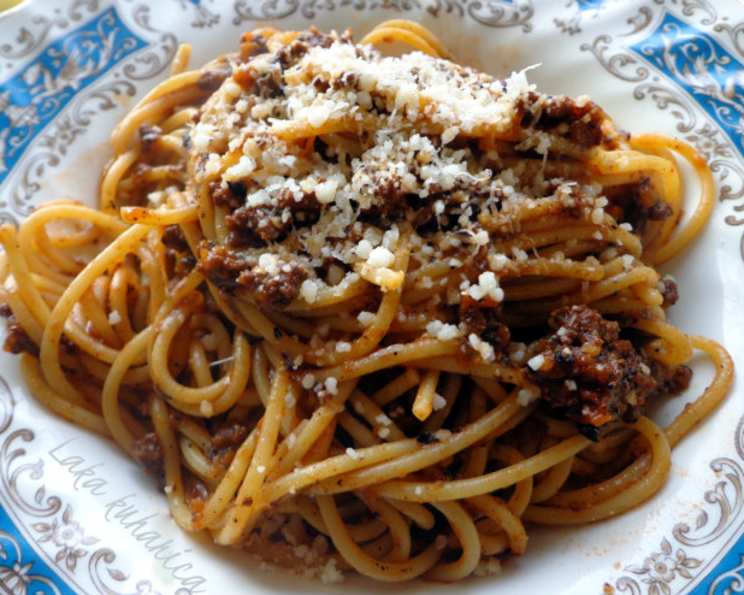
The Enduring Comfort of Whole-Wheat Spaghetti Bolognese
There are certain dishes that, for me, transcend mere sustenance; they are culinary anchors, reliably transporting me back to cherished moments. My grandmother’s kitchen, a place perpetually filled with the warm, comforting aroma of slow-simmering sauces, is where my love affair with Bolognese began. As a young child, I’d watch, mesmerized, as she meticulously chopped vegetables, the rhythmic thud of her knife a familiar soundtrack to our afternoons. The anticipation of that rich, deeply savory sauce coating perfectly cooked pasta was almost unbearable, a sensory prelude to pure, unadulterated joy. This whole-wheat iteration, while a modern adaptation, carries that same profound sense of home, offering a satisfying chew and a nutritional boost that makes it an even more conscientious choice for a beloved classic.
Recipe Overview
- Prep Time: 20 minutes
- Cook Time: 55 minutes
- Total Time: 1 hour 15 minutes
- Servings: 6
- Yield: Approximately 1.5 kg of Bolognese sauce with pasta
- Dietary Type: Contains Gluten, Dairy (optional Parmesan)
Ingredients
For a truly authentic and deeply flavored Bolognese, we’ll be working with a robust set of ingredients:
- 100 g carrots, peeled and trimmed
- 50 g celery root, peeled and trimmed
- 50 g parsley roots, peeled and trimmed
- 2 medium onions, finely chopped
- 2 large garlic cloves, finely chopped
- 1 tablespoon olive oil
- 550 g ground beef (preferably a mix of lean and slightly fattier cuts for flavor)
- 2 slices smoked bacon or 2 slices pancetta, finely chopped
- 500 g tomato purée (also known as tomato passata)
- 4 tablespoons dry red wine (such as Chianti, Merlot, or Cabernet Sauvignon)
- 400 ml beef stock, prepared from 1 cube or equivalent
- 2 fresh bay leaves
- 5-6 sprigs fresh thyme
- 1 teaspoon ground black pepper, freshly cracked
- 500 g whole wheat spaghetti
- 40 g Grana Padano or 40 g Parmesan cheese, finely grated, for serving
Equipment Needed
- Large, heavy-bottomed pot or Dutch oven
- Sharp chef’s knife
- Cutting board
- Blender or food processor
- Wooden spoon or spatula
- Large pot for cooking pasta
- Colander
Instructions
Crafting this Bolognese is a labor of love, each step building layers of flavor that culminate in an unforgettable meal.
-
Prepare the Soffritto Base: Begin by creating the flavor foundation for your sauce. Take the carrots, celery root, and parsley roots. Cut these vegetables into smaller, manageable pieces. Place them into a blender or food processor and coarsely chop them. You’re not aiming for a fine purée here, but rather small, irregular pieces that will soften and meld into the sauce. This mixture is often referred to as a soffritto in Italian cooking, or a mirepoix/holy trinity in other cuisines, and it’s crucial for developing depth of flavor.
-
Sauté Aromatics: In your large, heavy-bottomed pot or Dutch oven, heat the olive oil over medium heat. Add the finely chopped onions and garlic cloves. Sauté them gently for a few minutes until the onions become translucent and fragrant, but not browned.
-
Incorporate the Soffritto: Add the coarsely chopped soffritto (carrot, celery root, parsley root mixture) to the pot with the onions and garlic. Sauté this mixture over medium-high heat for 8 to 10 minutes, stirring occasionally. You want the vegetables to soften and their natural sweetness to emerge, allowing them to release their aromatic oils.
-
Brown the Meats: Increase the heat to high. Add the ground beef and the finely chopped smoked bacon or pancetta to the pot. Cook for 5 to 10 minutes, stirring frequently and breaking up the meat with your spoon. The goal is to achieve a good, even browning all over. This browning process is essential for developing the rich, savory notes that define a great Bolognese. Drain off any excess fat if you prefer a leaner sauce, but be mindful of leaving some for flavor.
-
Simmer and Develop Flavors: Stir in the tomato purée, red wine, and beef stock. Add the fresh bay leaves and fresh thyme sprigs. Stir everything together well to combine all the ingredients. Bring the mixture to a boil. Once boiling, season with ground black pepper. Reduce the heat to low, cover the pot, and simmer gently for approximately 40 minutes. During this initial simmering period, stir the sauce occasionally to prevent sticking.
-
Thicken and Reduce the Sauce: After 40 minutes of simmering, remove the lid from the pot. Continue cooking for another 15 minutes, or until the sauce has thickened and reduced to your desired consistency. The sauce should be rich and clingy, not watery. Once the sauce has reached the right consistency, discard the bay leaves and thyme sprigs. Season again with pepper if needed, tasting as you go.
-
Cook the Spaghetti: While the sauce is finishing, bring a large pot of generously salted water to a rolling boil. Add the whole wheat spaghetti and cook according to the packet instructions until al dente. This means the pasta should be tender but still have a slight bite to it.
-
Combine and Serve: Drain the cooked spaghetti, but importantly, save about ½ cup (120 ml) of the pasta cooking water. This starchy water is a secret weapon for emulsifying sauces and achieving the perfect consistency. Stir the drained spaghetti directly into the Bolognese sauce. Add a splash of the reserved pasta water to loosen the sauce if needed, stirring to coat the pasta evenly. The starch in the water will help the sauce cling beautifully to the spaghetti. Divide the whole wheat spaghetti Bolognese among serving bowls. Sprinkle generously with grated Grana Padano or Parmesan cheese, then serve immediately.
Expert Tips & Tricks
- The Soffritto is Key: Don’t rush the sautéing of the vegetables. Allowing them to soften and sweeten properly is fundamental to the sauce’s depth. If you find the vegetables are browning too quickly, reduce the heat slightly.
- Quality Ingredients Matter: Using good quality tomato purée and beef stock will make a noticeable difference in the final flavor. If you have time, making your own beef stock will elevate it even further.
- Bacon or Pancetta Choice: Smoked bacon adds a more robust, smoky depth, while pancetta offers a cleaner, more delicate pork flavor. Either works wonderfully, so choose based on your preference.
- Pasta Water Magic: Always reserve pasta water! It’s incredibly useful for adjusting sauce consistency and helping the sauce adhere to the pasta.
- Low and Slow Simmer: The long, slow simmer is where the magic happens for Bolognese. It allows the flavors to meld and deepen, creating that rich, complex taste. Resist the urge to rush this process.
- Achieving the Perfect Brown: For the ground beef, ensuring it gets a good sear and develops those browned bits (fond) at the bottom of the pan adds immense flavor. Don’t overcrowd the pan when browning the meat; cook in batches if necessary.
Serving & Storage Suggestions
This hearty Whole-Wheat Spaghetti Bolognese is best served piping hot, straight from the pot. Garnish with a generous sprinkle of freshly grated Grana Padano or Parmesan cheese and a few leaves of fresh basil, if desired, for a pop of color and freshness.
Leftovers can be stored in an airtight container in the refrigerator for up to 3-4 days. The flavors actually tend to deepen and improve overnight, making it a fantastic meal prep option.
To reheat, gently warm the Bolognese and pasta mixture in a saucepan over low heat, adding a splash of water or a drizzle of olive oil if it seems dry. Alternatively, you can reheat it in the microwave, stirring halfway through for even heating. For freezing, it’s best to cool the Bolognese sauce completely before portioning it into freezer-safe containers or bags. It can be frozen for up to 2-3 months. Thaw in the refrigerator overnight before reheating.
Nutritional Information
This table provides an approximate nutritional breakdown per serving.
| Nutrient | Amount per Serving | % Daily Value |
|---|---|---|
| Calories | 599.7 kcal | N/A |
| Calories from Fat | N/A | 168 g |
| Total Fat | 18.8 g | 28 % |
| Saturated Fat | 6.4 g | 32 % |
| Cholesterol | 65.3 mg | 21 % |
| Sodium | 426.5 mg | 17 % |
| Total Carbohydrate | 78.2 g | 26 % |
| Dietary Fiber | 3.4 g | 13 % |
| Sugars | 7 g | 27 % |
| Protein | 33.3 g | 66 % |
Note: Nutritional values are estimates and can vary based on specific ingredients and portion sizes.
Variations & Substitutions
- Vegetarian Bolognese: For a meat-free option, swap the ground beef and bacon/pancetta for a combination of finely chopped mushrooms (cremini and shiitake work well), lentils, and a plant-based mince. Ensure you build flavor with extra herbs and spices.
- Lighter Sauce: If you prefer a less rich sauce, you can reduce the amount of bacon or pancetta, or omit it entirely. Using leaner ground beef is also an option.
- Gluten-Free: Substitute the whole wheat spaghetti with your favorite gluten-free pasta. Ensure your beef stock is also gluten-free.
- Herb Variations: While bay leaves and thyme are classic, feel free to experiment with a sprig of rosemary or a pinch of dried oregano during the simmer.
- Spice It Up: For a touch of heat, add a pinch of red pepper flakes along with the ground black pepper.
FAQs
Q: Why is my Bolognese sauce not thickening properly?
A: Ensure you’ve allowed enough time for simmering without the lid in the final stages to allow excess liquid to evaporate and the sauce to reduce. Overcrowding the pot during browning can also lead to more liquid being released.
Q: Can I make the Bolognese sauce ahead of time?
A: Absolutely! Bolognese is an excellent make-ahead dish. The flavors deepen and improve when allowed to rest. Cool completely and store in the refrigerator.
Q: What kind of red wine is best for Bolognese?
A: A dry red wine with good acidity, such as Chianti, Merlot, or Cabernet Sauvignon, is ideal. Avoid sweet wines, as they can make the sauce too sugary.
Q: How do I prevent the whole wheat spaghetti from becoming mushy?
A: Cook the whole wheat spaghetti until just al dente, meaning it still has a slight bite. Whole wheat pasta can sometimes cook faster or absorb more water than regular pasta, so keep a close eye on it and test for doneness.
Q: Is it okay to use canned tomatoes instead of tomato purée?
A: Yes, you can use a 400g can of crushed tomatoes or diced tomatoes if you don’t have tomato purée. You might want to simmer the sauce a little longer to achieve a similar consistency.
Final Thoughts
There’s an undeniable magic in a well-made Bolognese, a dish that speaks of tradition, comfort, and generous hospitality. This whole-wheat spaghetti version takes a beloved classic and infuses it with added goodness, making it a meal that nourishes both body and soul. It’s a dish that’s perfect for a cozy weeknight dinner or for gathering loved ones around the table to share in its simple, profound pleasure. I encourage you to try this recipe, to let its rich aromas fill your kitchen, and to savor every delicious mouthful. I’d love to hear about your experiences and any personal touches you add to your own Bolognese adventure!