
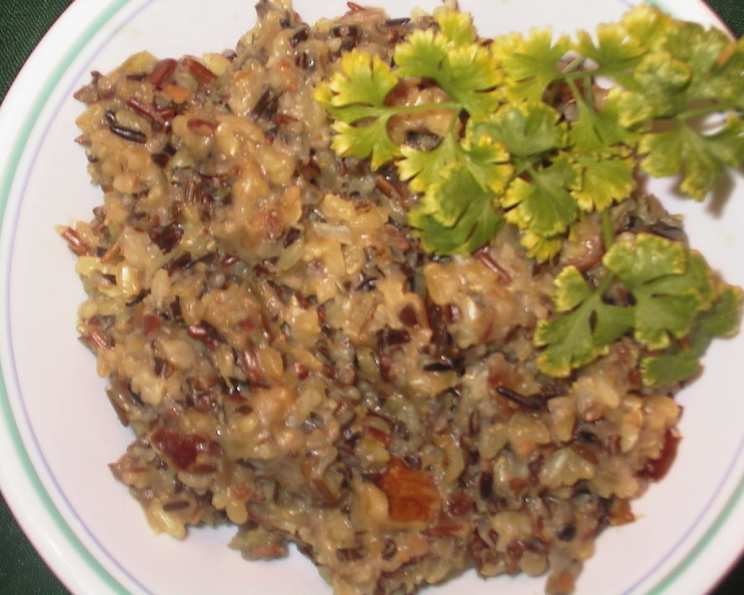
Wild Rice Pilaf with Toasted Walnuts and Sweet Dates: A Symphony of Textures and Flavors
The aroma of toasting nuts, the slightly chewy bite of wild rice, and the burst of sweetness from plump dates – these are the sensory hallmarks of a dish that has quietly become a staple in my culinary repertoire. I first encountered this elegant yet unfussy pilaf during a rather blustery autumn weekend spent upstate. We were visiting friends who, with modest pride, presented this as their go-to side dish for everything from roasted chicken to grilled salmon. What struck me immediately was its remarkable ability to elevate a simple meal into something special, offering a complex interplay of earthy, nutty, and sweet notes that danced harmoniously on the palate. It’s the kind of dish that whispers of cozy evenings and shared laughter, a testament to how humble ingredients, when treated with a little care, can create something truly memorable.
Recipe Overview
- Prep Time: 15 minutes
- Cook Time: 50-60 minutes
- Total Time: 1 hour 5 minutes – 1 hour 15 minutes
- Servings: 6-8
- Yield: Approximately 4 cups
- Dietary Type: Naturally Gluten-Free, Dairy-Free (if butter is substituted)
Ingredients
This recipe celebrates the natural flavors of its core components, letting each one shine. The beauty lies in its simplicity and the quality of the few key players.
- 4 stalks celery, chopped (approximately 2 cups)
- 1 small onion, chopped (approximately 1/4 cup)
- 1 tablespoon butter (or a dairy-free alternative for a vegan option)
- 1 cup wild rice, rinsed and drained
- 1 (14-ounce) can reduced-sodium chicken broth (or vegetable broth for a vegetarian/vegan dish)
- 1 cup water
- 1/3 cup dates, snipped (Medjool dates are highly recommended for their size and caramel-like sweetness)
- 1/4 cup chopped walnuts, toasted
Equipment Needed
The beauty of this dish lies in its straightforward preparation, requiring only a few essential kitchen tools:
- A 10-inch skillet or a Dutch oven with a tight-fitting lid for cooking the rice.
- A cutting board and knife for preparing the vegetables.
- A measuring cup and tablespoon for accurate ingredient portions.
- A wooden spoon or heat-resistant spatula for stirring.
Instructions
The process is wonderfully intuitive, unfolding in stages that build flavor and texture.
- In a 10-inch skillet (or a Dutch oven), melt the butter over medium heat. Add the chopped celery and onion. Cook, stirring occasionally, for about 10 minutes, or until the vegetables are tender and have softened beautifully.
- Add the rinsed and drained wild rice to the skillet with the softened vegetables. Cook and stir for another 3 minutes. This step lightly toasts the rice grains, enhancing their nutty flavor and helping them absorb the cooking liquid more effectively.
- Pour in the reduced-sodium chicken broth and the water. Bring the mixture to a rolling boil.
- Once boiling, reduce the heat to low, cover the skillet tightly with a lid, and simmer for 50 to 60 minutes. The key here is to let the rice cook gently and absorb most of the liquid. Check periodically to ensure it’s not sticking, though the broth and water should prevent this. The rice is ready when most of the liquid is absorbed and the grains are tender. Wild rice typically has a delightful chewiness even when fully cooked.
- Once the rice is tender and the liquid has been mostly absorbed, stir in the snipped dates and the toasted chopped walnuts.
- Continue to cook, uncovered, for an additional 3 to 4 minutes. This brief period allows the dates to warm through and soften further, releasing their sweetness, and ensures any remaining liquid is fully absorbed, resulting in a perfectly textured pilaf.
Expert Tips & Tricks
As a chef, I’m always looking for ways to elevate even the simplest recipes. Here are a few pointers to make your Wild Rice Pilaf truly exceptional:
- Toasting the Walnuts is Non-Negotiable: While the recipe calls for it, I can’t stress enough how much toasting the walnuts amplifies their flavor and adds a wonderful crunch. Simply spread them on a dry baking sheet and toast in a preheated oven at 350°F (175°C) for 5-8 minutes, or until fragrant and lightly browned. Keep a close eye on them, as they can go from toasted to burnt very quickly. Alternatively, you can toast them in a dry skillet over medium heat, stirring frequently.
- Rinsing is Key: Always rinse your wild rice thoroughly under cool running water before cooking. This removes any residual dust or bitterness, ensuring a cleaner flavor.
- Broth Quality Matters: Since the broth is a primary flavor component, using a high-quality reduced-sodium chicken or vegetable broth will make a noticeable difference. If you have homemade broth, even better!
- Date Selection: Medjool dates are ideal for their soft texture and rich, caramel-like sweetness, which pairs beautifully with the nutty rice. If using smaller dates, you might need to snip them more finely.
- Don’t Overcook: Wild rice should retain a pleasant al dente chew. Cooking it for too long can make it mushy. The simmering time of 50-60 minutes is a guideline; your rice may be perfect slightly sooner or later depending on its age and type. Taste a grain after about 50 minutes to check for tenderness.
- Make-Ahead Magic: This pilaf is a fantastic candidate for make-ahead meals. You can prepare it a day in advance and gently reheat it on the stovetop over low heat, adding a splash more broth or water if it seems a little dry. The flavors often meld and deepen overnight, making it even more delicious.
Serving & Storage Suggestions
This versatile Wild Rice Pilaf can be served warm as a hearty side dish or even as a light vegetarian main course. Its elegant appearance and complex flavors make it suitable for a holiday feast or a casual weeknight dinner.
To Serve:
When serving warm, give it a gentle stir to redistribute the walnuts and dates. You can garnish it with a few extra toasted walnuts or a sprinkle of fresh parsley for a touch of color. It pairs wonderfully with roasted poultry, grilled meats, pan-seared fish, or even as a stuffing for roasted vegetables like bell peppers or squash.
To Store:
Allow the pilaf to cool completely before storing. Transfer it to an airtight container and refrigerate. It will keep well in the refrigerator for 3 to 4 days.
To Reheat:
For the best texture, reheat the pilaf on the stovetop over low heat. Add a tablespoon or two of chicken broth, vegetable broth, or water to help loosen it up as it warms. Stir frequently to prevent sticking. You can also reheat it in the microwave in short intervals, stirring in between.
Nutritional Information
This information is an estimate and can vary based on specific ingredients used.
| Nutrient | Amount per Serving | % Daily Value |
|---|---|---|
| Calories | 191.1 kcal | |
| Calories from Fat | 28% | |
| Total Fat | 5.9 g | 9% |
| Saturated Fat | 1.7 g | 8% |
| Cholesterol | 5.1 mg | 1% |
| Sodium | 58.1 mg | 2% |
| Total Carbohydrate | 30.8 g | 10% |
| Dietary Fiber | 3.4 g | 13% |
| Sugars | 8.1 g | 32% |
| Protein | 6.5 g | 13% |
Note: Daily Values are based on a 2,000-calorie diet. Individual results may vary.
Variations & Substitutions
While this recipe is already a star, here are a few ideas to tailor it to your preferences or what you have on hand:
- Nutty Alternatives: Pecans or slivered almonds can be used in place of walnuts, each offering a slightly different flavor profile. For a nut-free option, toasted pumpkin seeds (pepitas) or sunflower seeds would provide a delightful crunch and flavor.
- Fruitful Additions: Dried cranberries or chopped dried apricots can add a different kind of tart-sweetness. For a more savory twist, omit the dates and consider adding sautéed mushrooms or sun-dried tomatoes.
- Herbal Notes: Fresh herbs like chopped parsley, chives, or thyme can be stirred in at the end of cooking for an extra layer of freshness and aroma.
- Spice It Up: A pinch of cinnamon or nutmeg, or even a dash of cayenne pepper, can introduce a subtle warmth and complexity that complements the other ingredients beautifully.
- Vegetarian/Vegan Transformation: As mentioned, substituting vegetable broth for chicken broth and using a plant-based butter alternative will make this dish entirely vegetarian and vegan-friendly.
FAQs
Q: Can I use a different type of rice?
A: While this recipe is specifically designed for wild rice, you could experiment with a blend of wild and brown rice, or even wild and white rice, but the cooking times and liquid ratios would need adjustment. The unique texture of pure wild rice is part of its charm here.
Q: My wild rice seems to take longer to cook. What should I do?
A: Wild rice can vary in cooking time. If after 60 minutes it’s still not tender, simply add a little more liquid (broth or water) and continue to simmer, covered, until it reaches your desired tenderness.
Q: Are Medjool dates the only option?
A: Medjool dates are highly recommended due to their size and superior sweetness and texture. However, other soft dates like Deglet Noor can be used if snipped very finely.
Q: How do I ensure my rice isn’t mushy?
A: The key is to use the correct amount of liquid and not to overcook it after the simmering stage. Taste the rice periodically towards the end of the cooking time to gauge its doneness. The final uncovered simmer helps absorb excess moisture.
Q: Can I add more vegetables to this dish?
A: Absolutely! Sautéed mushrooms, bell peppers, or even finely diced carrots could be added along with the celery and onion in the initial sautéing step.
A Culinary Embrace
This Wild Rice Pilaf with Walnuts and Dates is more than just a recipe; it’s an invitation to savor the season, to appreciate the subtle elegance of simple ingredients, and to share nourishing, flavorful food with loved ones. It’s a dish that stands on its own, yet gracefully complements a multitude of main courses. I encourage you to bring this into your kitchen, to experience the delightful texture and the harmonious blend of flavors for yourself. It’s a recipe that promises not only a delicious outcome but also a moment of quiet satisfaction as you plate up something truly special. I’d love to hear about your own culinary adventures with this pilaf – perhaps a creative pairing or a delightful discovery of your own!