
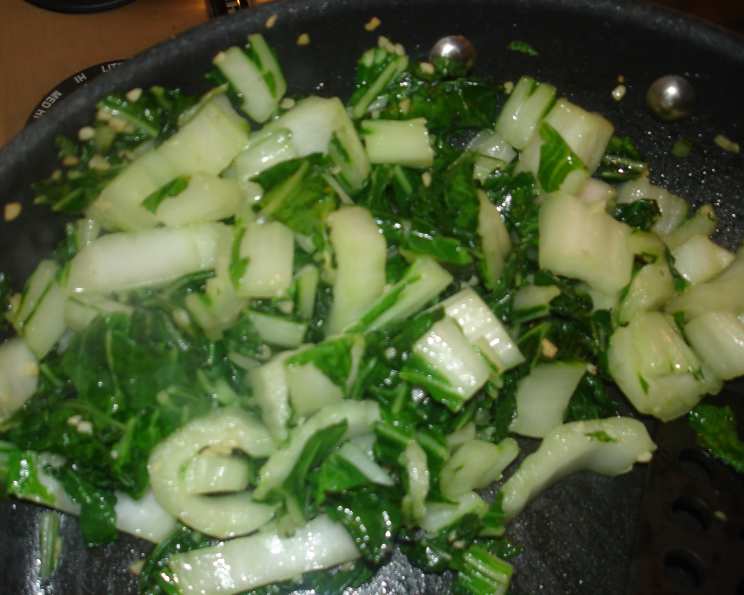
Wilted Garlic Bok Choy: A Symphony of Simplicity and Flavor
There are certain vegetables that, when treated with just a whisper of heat and a hint of aromatics, transcend their humble origins to become truly memorable. Bok choy, with its crisp stalks and tender leaves, is one such marvel. I remember the first time I truly understood this, many years ago in a bustling Cantonese restaurant. Amidst a vibrant array of dishes, a simple plate of perfectly wilted bok choy, glistening with garlic-infused oil, stole the show. It was a revelation – proof that profound flavor doesn’t require complexity. That moment solidified bok choy’s place in my repertoire, a testament to its versatility and sheer deliciousness, especially when prepared with this straightforward, yet utterly satisfying, method.
Recipe Overview
- Prep Time: 10 minutes
- Cook Time: 10-15 minutes
- Total Time: 20-25 minutes
- Servings: 4
- Yield: Side Dish
- Dietary Type: Vegan, Gluten-Free, Dairy-Free
Ingredients
Here’s what you’ll need to create this delightful side dish:
- 5-6 cups fresh bok choy, chopped (approximately 1 large bunch)
- 1 tablespoon olive oil (or other preferred cooking oil)
- 3-4 cloves garlic, minced
Equipment Needed
- Large skillet or wok
- Sharp knife
- Cutting board
- Tongs or spatula
Instructions
This method is wonderfully direct, focusing on coaxing the best out of each ingredient with minimal fuss.
-
Prepare the Bok Choy: Begin by thoroughly washing your bok choy. Separate the stalks and leaves. Trim off the very bottom of the stalks, where they are tough and woody. Chop the bok choy into your desired width. For smaller bites, chop it more finely; for larger, more substantial pieces, cut it into wider sections. Once chopped, pat the bok choy dry with paper towels. This step is crucial to ensure the garlic and oil can properly coat the vegetables and to prevent steaming, which can make them watery. Set the prepared bok choy aside.
-
Infuse the Oil: Place a large skillet or wok over medium heat. Add the 1 tablespoon of olive oil. Allow the oil to warm gently. Once the oil is shimmering, add the minced garlic. Cook the garlic, stirring frequently, for about 4-5 minutes. You want the garlic to become fragrant and lightly golden, but be careful not to burn it, as burnt garlic will impart a bitter flavor.
-
Wilt the Bok Choy: Add the chopped bok choy to the skillet with the fragrant garlic oil. Using tongs or a spatula, toss the bok choy to coat it evenly with the oil and garlic.
-
Cook to Perfection: Continue to cook the bok choy for approximately 10 minutes. During this time, it’s important to toss the bok choy every minute or so. This ensures even cooking and prevents any one part from becoming overcooked or undercooked. You’re looking for the stalks to become tender-crisp and the leaves to be beautifully wilted. The total cooking time may vary slightly depending on the size of your bok choy pieces and the heat of your stove, so keep an eye on it.
Expert Tips & Tricks
- Uniformity is Key: When chopping your bok choy, try to keep the pieces relatively uniform in size. This will help them cook at the same rate, ensuring a consistent texture throughout the dish.
- The Power of the Pat Dry: I cannot stress this enough – thoroughly drying your bok choy after washing is a game-changer. It allows the garlic and oil to truly embrace the greens, creating a more intense flavor profile and a better texture, avoiding that dreaded watery outcome.
- Garlic Watch: Garlic is delicate. While 4-5 minutes on medium heat is usually perfect for fragrant infusion, be vigilant. If your stove runs hot, you might need to reduce the heat slightly or shorten the time to avoid that acrid bitterness. A pale golden hue is your target, not dark brown.
- The Gentle Toss: When tossing the bok choy in the skillet, be gentle but thorough. You want to encourage the leaves to wilt and the stalks to soften without mushing the vegetables. Tongs are excellent for this, allowing you to lift and turn the bok choy easily.
Serving & Storage Suggestions
This Wilted Garlic Bok Choy is best served immediately, while it’s still warm and vibrant. It makes an exceptional side dish for a wide range of mains. Imagine it alongside a perfectly grilled steak, a succulent roasted chicken, a pan-seared salmon, or even as a fresh counterpoint to richer, saucier Asian-inspired dishes. A sprinkle of toasted sesame seeds or a dash of chili flakes can add a delightful finishing touch.
Leftovers can be stored in an airtight container in the refrigerator for up to 2 days. While the texture might soften slightly upon reheating, the flavor will still be excellent. To reheat, gently warm it in a skillet over low heat, or microwave for short intervals until heated through. Avoid overcooking when reheating, as this can lead to mushy bok choy.
Nutritional Information
Here’s an estimated breakdown of the nutritional content:
| Nutrient | Amount per Serving | % Daily Value |
|---|---|---|
| Calories | 45 kcal | 2% |
| Total Fat | 3.7 g | 5% |
| Saturated Fat | 0.5 g | 3% |
| Cholesterol | 0 mg | 0% |
| Sodium | 57 mg | 2% |
| Total Carbohydrate | 2.8 g | 1% |
| Dietary Fiber | 1.0 g | 4% |
| Sugars | 1.3 g | 1% |
| Protein | 1.6 g | 3% |
| Vitamin A | 2300 IU | 46% |
| Vitamin C | 36 mg | 60% |
| Calcium | 50 mg | 5% |
| Iron | 1.2 mg | 7% |
(Note: Nutritional values are estimates and can vary based on specific ingredients and preparation methods.)
Variations & Substitutions
While this recipe is wonderfully simple, here are a few ways to play with it:
- Spice it Up: For a touch of heat, add a pinch of red pepper flakes along with the garlic in step 2, or a finely chopped fresh chili for more vibrant heat.
- Umami Boost: A splash of soy sauce or tamari (for a gluten-free option) added in the last minute of cooking can elevate the savory notes. A tiny drizzle of sesame oil at the very end also imparts a lovely aroma and flavor.
- Garlic Intensity: If you’re a true garlic lover, feel free to increase the amount of garlic to 5-6 cloves. Just be extra mindful of not burning it!
- Other Greens: While bok choy is divine, this method works beautifully with other leafy greens like baby bok choy, gai lan (Chinese broccoli), or even spinach, though cooking times may vary.
FAQs (Frequently Asked Questions)
Q: Why is it important to pat the bok choy dry?
A: Patting the bok choy dry prevents excessive steaming, allowing the garlic and oil to properly coat the vegetables and achieve a more desirable sautéed texture.
Q: How do I know when the bok choy is cooked perfectly?
A: The bok choy stalks should be tender-crisp, offering a slight resistance when bitten, and the leaves should be wilted but still vibrant in color.
Q: Can I use different types of oil?
A: Yes, you can use other neutral cooking oils like canola or grapeseed oil. For a more robust flavor, avocado oil or even a mild olive oil can be used.
Q: My garlic burned quickly. What did I do wrong?
A: Garlic burns easily. Ensure your heat is on medium, not high, and stir it constantly. If it starts browning too fast, remove the pan from the heat for a moment.
Q: How can I make this dish more substantial?
A: Consider serving it alongside a protein like grilled chicken or tofu, or stir in some cooked noodles or grains for a more complete meal.
Final Thoughts
This Wilted Garlic Bok Choy is a testament to the beauty of simplicity in the kitchen. It’s a dish that respects the natural flavors of its ingredients and delivers a satisfying, wholesome experience with every bite. It’s the perfect example of how a few well-chosen components, prepared with care, can create something truly special. I encourage you to give this recipe a try, and I’m confident it will earn a permanent spot in your culinary rotation, proving that sometimes, the most profound flavors come from the most uncomplicated preparations. Enjoy the vibrant, fresh taste!