
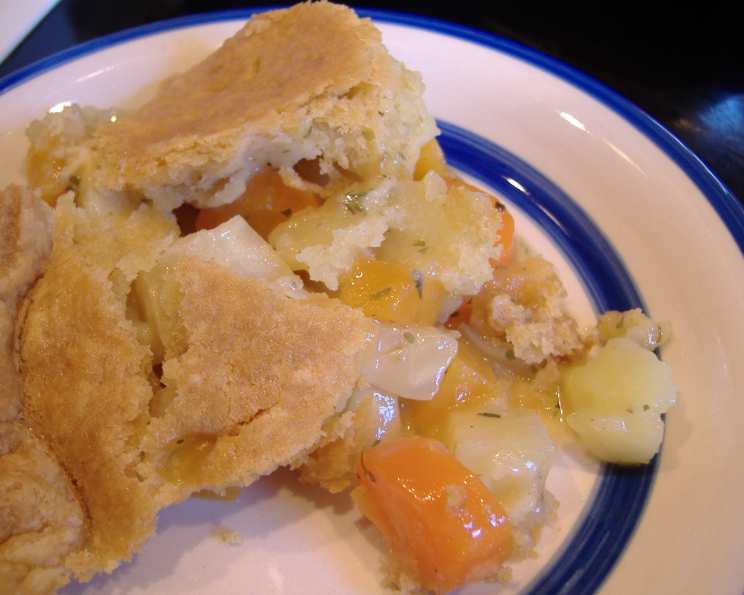
A Cozy Embrace: The Winter Vegetable Cobbler
There’s a certain magic to the way the earth offers up its bounty, especially during the crisp embrace of winter. I remember one particularly bleak January evening, the kind where the wind howls like a forgotten lament, and the thought of anything other than a roaring fire and a steaming bowl was utterly unappealing. I’d stumbled upon a recipe in Marion Cunningham’s “The Supper Book” that promised a hearty, vegetarian supper dish, a cobbler unlike any I’d encountered before. The idea of tender, root vegetables nestled beneath a fluffy, golden crust felt like a culinary hug, a promise of warmth and sustenance. That first bite, a symphony of earthy sweetness and buttery pastry, was pure comfort. It was a revelation – simple ingredients transformed into something truly extraordinary, a dish that has since become a cherished staple in my repertoire, a true testament to the comforting power of home-cooked meals.
Recipe Overview
- Prep Time: 20 minutes
- Cook Time: 55-65 minutes
- Total Time: 1 hour 15 minutes – 1 hour 25 minutes
- Servings: 6
- Yield: 1 cobbler
- Dietary Type: Vegetarian
Ingredients
This rustic cobbler celebrates the grounding flavors of winter root vegetables, all brought together by a tender, biscuit-like topping.
For the Vegetable Filling:
- 1 turnip, peeled and cut into bite-size wedges
- 1 potato, peeled and diced (Russet or baking potato recommended)
- 1 celery root, peeled and diced (about 1 ½ cups)
- 1 onion, coarsely chopped
- 3 carrots, peeled and sliced
- ½ cup chopped parsley
- 1 cup vegetable broth (or chicken broth, if you prefer)
- 1 tablespoon cornstarch
- 1 teaspoon salt
- Freshly ground pepper to taste
- 4 tablespoons butter
For the Cobbler Dough:
- 1 ¾ cups flour
- 1 tablespoon baking powder
- ½ teaspoon salt
- 6 tablespoons butter, chilled and cut into pieces
- ¾ cup heavy cream
Equipment Needed
To bring this comforting dish to life, you’ll want to have a few essential kitchen tools at the ready:
- A large, ovenproof baking dish (approximately 13x9x2 inches or a 3-quart capacity dish that is at least 2 inches deep).
- A mixing bowl for the vegetable filling.
- A small mixing bowl for the cornstarch slurry.
- A large mixing bowl for the cobbler dough.
- A fork for mixing the dough.
- A rolling pin (optional, for rolling out the dough).
- A knife or skewer for testing vegetable doneness.
Instructions
With its straightforward preparation, this Winter Vegetable Cobbler is an ideal dish for a weeknight meal or a comforting Sunday supper.
-
Begin by preheating your oven to 325 degrees Fahrenheit (160 degrees Celsius). This moderate temperature ensures the vegetables cook through beautifully without the crust browning too quickly.
-
In your chosen ovenproof baking dish, combine the prepared turnip wedges, diced potato, diced celery root, chopped onion, and sliced carrots. Add the chopped parsley to the mix. Aim for about 6 cups of vegetables in total; the exact volume can vary slightly depending on the size of your vegetables.
-
In a small mixing bowl, whisk together the vegetable broth and cornstarch until smooth. This will create a slurry that will thicken the vegetable juices during baking, preventing a watery filling.
-
Pour the cornstarch and broth mixture over the vegetables in the baking dish. Mix everything thoroughly to ensure the vegetables are evenly coated.
-
Season the vegetable mixture generously with salt and freshly ground pepper. Stir again to distribute the seasonings evenly.
-
Dot the surface of the vegetables with the 4 tablespoons of butter. These little pockets of butter will melt and infuse the vegetables with richness as they bake.
-
Now, let’s prepare the cobbler dough. In a large mixing bowl, combine the flour, baking powder, and salt. Stir with a fork to blend the dry ingredients.
-
Add the 6 tablespoons of chilled, cut butter to the flour mixture. Using your fingertips, quickly rub the butter into the flour until the mixture resembles coarse crumbs. Work quickly to prevent the butter from melting.
-
With a fork, slowly stir in the ¾ cup of heavy cream until the ingredients are just roughly combined. The dough will be shaggy and somewhat wet.
-
Gather the dough into a shaggy mass directly in the bowl. Knead it gently 5 or 6 times, just enough to bring it together into a cohesive dough. Avoid overworking the dough, as this can lead to a tough crust.
-
Lightly flour a clean surface. Roll out the dough to a size that will fit the top of your baking dish, aiming for a thickness of about ¼ inch. If you prefer a more rustic look, you can also simply press or tear the dough into pieces and arrange them over the vegetables.
-
Carefully place the rolled-out dough on top of the vegetables in the baking dish. Ensure it covers the filling as completely as possible.
-
Place the baking dish into the preheated oven. Bake for 55 to 65 minutes, or until the vegetables are cooked through and tender and the crust is beautifully golden brown.
-
To test for doneness, insert the tip of a knife or a skewer into the vegetables through the crust. They should yield easily.
-
Once baked to perfection, remove the cobbler from the oven and let it rest for a few minutes before serving.
Expert Tips & Tricks
To elevate your Winter Vegetable Cobbler from good to exceptional, consider these culinary insights:
- Vegetable Uniformity is Key: While exact precision isn’t crucial, try to cut your vegetables into relatively uniform bite-size pieces. This ensures even cooking, so you don’t end up with some vegetables being too soft and others still a bit too firm.
- Chill is Your Friend: For the flakiest cobbler topping, ensure your butter is thoroughly chilled before cutting it into the flour. Similarly, using cold heavy cream helps create a tender, biscuit-like texture.
- Don’t Overwork the Dough: The beauty of this cobbler topping lies in its tender, slightly crumbly texture. Over-kneading develops the gluten too much, resulting in a tougher crust. Aim for just enough manipulation to bring the dough together.
- A Foil Hat for Over-Browning: If you find the crust is browning too quickly before the vegetables are fully cooked, you can loosely tent the dish with aluminum foil for the remaining baking time.
- Broth is Versatile: While vegetable broth keeps this dish vegetarian, feel free to use chicken broth if you’re not adhering to a strict vegetarian diet. The depth of flavor it adds is wonderful.
Serving & Storage Suggestions
This Winter Vegetable Cobbler is a hearty dish all on its own, but it also pairs beautifully with a simple green salad dressed with a light vinaigrette. A dollop of sour cream or Greek yogurt can add a delightful creamy contrast to the rustic flavors.
Leftovers can be stored in an airtight container in the refrigerator for up to 3 days. To reheat, gently warm individual portions in the oven at 300 degrees Fahrenheit (150 degrees Celsius) until heated through, or use a microwave for a quicker reheat. The crust may soften slightly upon refrigeration and reheating, but the comforting flavors will remain. It is best enjoyed fresh from the oven.
Nutritional Information
Here’s an estimated nutritional breakdown for this delicious cobbler. Please note that these values are approximate and can vary based on the specific ingredients used.
| Nutrient | Amount per Serving | % Daily Value |
|---|---|---|
| Calories | 480 kcal | |
| Calories from Fat | 58% | |
| Total Fat | 31.1 g | 47% |
| Saturated Fat | 19.2 g | 95% |
| Cholesterol | 92 mg | 30% |
| Sodium | 1086.5 mg | 45% |
| Total Carbohydrate | 45.2 g | 15% |
| Dietary Fiber | 3.5 g | 14% |
| Sugars | 3.9 g | 15% |
| Protein | 6.6 g | 13% |
Variations & Substitutions
While this recipe shines with its classic winter vegetable combination, don’t be afraid to experiment with other root vegetables or hearty greens:
- Root Vegetable Variety: Feel free to swap out some of the vegetables. Parsnips, sweet potatoes, or even chunks of butternut squash would be delightful additions.
- Herbal Notes: Thyme, rosemary, or sage can be added along with or in place of parsley for a different aromatic profile.
- Lighter Topping: For a slightly lighter cobbler topping, you could experiment with using milk instead of heavy cream, though the texture will be less rich.
FAQs
Q: Can I make the vegetable filling ahead of time?
A: Yes, you can prepare the vegetable mixture (up to step 6) a day in advance and store it in the refrigerator. Prepare the cobbler dough just before baking.
Q: What kind of baking dish is best?
A: An ovenproof dish that is at least 2 inches deep is ideal to prevent the filling from bubbling over during baking. A ceramic or Pyrex dish works wonderfully.
Q: My crust is browning too fast, what should I do?
A: If the crust is getting too dark before the vegetables are tender, loosely tent the dish with aluminum foil. This will shield the crust while allowing the vegetables to continue cooking.
Q: Can I use frozen vegetables?
A: While fresh vegetables are recommended for the best texture and flavor, you can use frozen vegetables. Thaw them first and drain any excess moisture before adding them to the dish. You may need to slightly reduce the cooking time.
Q: Is this dish suitable for freezing?
A: This cobbler is best enjoyed fresh. While it can be frozen, the texture of the crust and vegetables may be altered upon thawing and reheating.
Final Thoughts
This Winter Vegetable Cobbler is more than just a meal; it’s an experience. It’s a warm embrace on a chilly evening, a reminder that simple, wholesome ingredients can create moments of pure culinary joy. The earthy sweetness of the root vegetables, perfectly tender after their slow bake, melds beautifully with the buttery, slightly crisp topping. I encourage you to gather your favorite winter produce and bring this comforting dish to your table. It’s a recipe that never fails to elicit smiles and second helpings, a true testament to the enduring power of a well-loved supper. Share it with loved ones, savor each hearty spoonful, and let the warmth of this cobbler fill your home.