
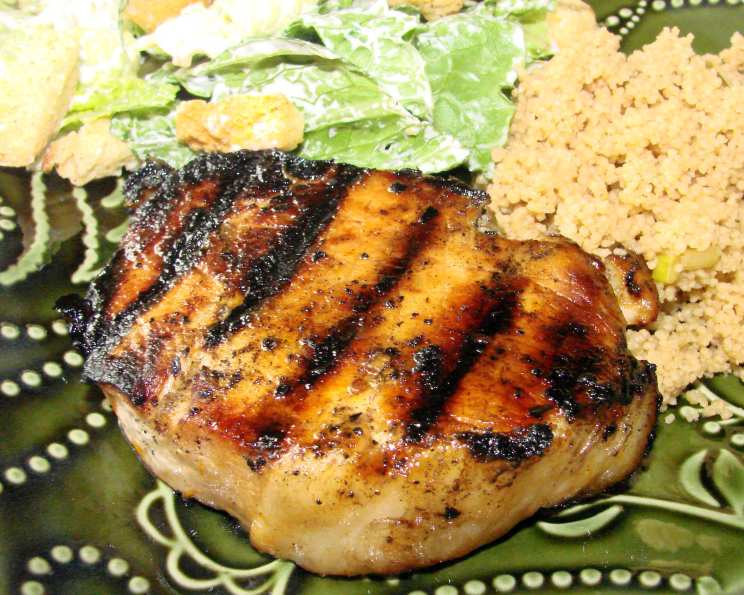
The Tangy Kiss: Mastering the Worcestershire and Orange Marinade
There’s a certain magic that happens when seemingly disparate ingredients come together to create something truly harmonious. For me, this Worcestershire and Orange Marinade is a prime example. I remember the first time I stumbled upon a variation of this recipe years ago, tasked with elevating a simple grilled chicken breast for a summer barbecue. The aroma that wafted from the kitchen as it marinated was intoxicating – a complex dance of sweet citrus, umami-rich Worcestershire, and the subtle warmth of garlic. It wasn’t just a marinade; it was a promise of flavor, a culinary whisper of sunshine and savory depth. That initial experience taught me that even the simplest of dishes can be transformed with a well-crafted sauce, and this marinade has since become a staple in my repertoire, a testament to its versatility and irresistible taste.
Recipe Overview
- Prep Time: 10 minutes
- Cook Time: Not Applicable (Marinade preparation time)
- Total Time: 10 minutes (plus marinating time)
- Servings: N/A (Yields marinade for a specific amount of meat)
- Yield: 3/4 cup
- Dietary Type: Adaptable (Check Worcestershire sauce for gluten/anchovy content if needed)
Ingredients
This marinade is remarkably simple, relying on a few key players to create its signature flavor profile. The beauty lies in its balance, where each component plays a crucial role in building complexity.
- 4 tablespoons orange juice (freshly squeezed is always best for that vibrant, unadulterated citrus note)
- 4 tablespoons honey (this provides sweetness and helps with caramelization during cooking)
- 2 tablespoons Worcestershire sauce (the umami powerhouse, lending a deep, savory, and slightly tangy foundation)
- 1 tablespoon olive oil (helps to carry the flavors and ensures even coating on the meat)
- 1 tablespoon finely grated orange rind (this is where the aromatic oils are concentrated, adding an intense citrus perfume)
- 1 large garlic clove, finely chopped (for that pungent, savory kick that complements the other flavors perfectly)
Equipment Needed
For this straightforward marinade, you won’t need much in the way of specialized equipment.
- A small bowl for mixing
- A whisk or fork for combining the ingredients
- A zester or fine grater for the orange rind
- A measuring spoon set
Instructions
The creation of this marinade is as effortless as it is rewarding. The key is to ensure everything is thoroughly combined to create a homogenous mixture that will evenly coat your proteins.
- Begin by preparing your aromatics. Finely chop the garlic clove.
- Using a zester or fine grater, carefully grate the orange rind. Aim to get just the colored part of the peel, avoiding the bitter white pith.
- In your small bowl, add the orange juice, honey, Worcestershire sauce, olive oil, finely grated orange rind, and finely chopped garlic clove.
- Using your whisk or a fork, vigorously mix all the ingredients together. Continue to whisk until the honey has dissolved and the mixture is well emulsified, meaning the oil and liquids are fully incorporated. You should have a smooth, uniform marinade.
- Once thoroughly combined, the marinade is ready to be used.
How to Use the Marinade:
This marinade is designed to be used prior to cooking your pork or chicken. For best results, allow your meat to marinate for at least 30 minutes, and up to 4 hours for smaller cuts or thinner pieces. For larger cuts, you can marinate for up to 12 hours, but be mindful of the acidity from the orange juice, which can start to “cook” the meat if left for too long.
Pro Tip: A wonderful technique I often employ is to set aside some of the marinade at the beginning, before adding the meat. This reserved portion can then be gently heated and brushed over the pork or chicken during the last few minutes of cooking. This not only adds a fresh burst of flavor but also creates a beautiful, glossy glaze on the surface of the meat, enhancing its visual appeal and taste.
This recipe yields enough marinade for approximately 1 1/2 to 2 pounds of meat.
Expert Tips & Tricks
As a chef, I’m always looking for ways to maximize flavor and efficiency. Here are a few insights to elevate your Worcestershire and Orange Marinade experience:
- The Zest is Best: Don’t skip the orange zest! It’s where the most potent aromatic oils of the orange reside. You’ll notice a significant difference in the fragrance and depth of flavor when you include it.
- Quality Worcestershire Matters: While most Worcestershire sauces are delicious, there can be subtle differences. If you have a favorite artisanal brand, use it here. The anchovy and tamarind notes are crucial to the marinade’s complexity.
- Marinating Vessel: When marinating, opt for non-reactive materials like glass, ceramic, or food-grade plastic bags. Metal can sometimes interact with the acidic components of the marinade, affecting the flavor.
- Don’t Over-Marinate: While it’s tempting to let meat soak for extended periods, especially with citrus, it can lead to a mushy texture. Stick to the recommended marinating times for optimal results.
- Reserve Wisely: When reserving marinade for basting, always ensure it has not come into contact with raw meat if you plan to consume it as a sauce. If it has touched raw meat, you’ll need to bring it to a rolling boil for at least one minute to kill any potential bacteria.
Serving & Storage Suggestions
This versatile marinade is a fantastic partner for a variety of proteins.
- Serving: It shines brightest when used with pork chops, pork tenderloin, chicken breasts, chicken thighs, or even salmon. Grill, pan-sear, or roast your marinated protein to perfection. The reserved glaze brushed on during the final moments of cooking will add a beautiful sheen and intensified flavor.
- Storage: Any unused marinade that has not come into contact with raw meat can be stored in an airtight container in the refrigerator for up to 3 days.
- Leftovers: If you have leftover cooked meat that was marinated, it will keep well in an airtight container in the refrigerator for 3-4 days. Reheat gently in a low oven or on the stovetop to avoid drying it out.
Nutritional Information
Please note that nutritional information can vary based on the specific brands of ingredients used. This is an estimated breakdown.
| Nutrient | Amount per Serving (approx. 1.5 tbsp of marinade) | % Daily Value |
|---|---|---|
| Calories | 75 kcal | 4% |
| Total Fat | 1.5 g | 2% |
| Saturated Fat | 0.2 g | 1% |
| Cholesterol | 0 mg | 0% |
| Sodium | 160 mg | 7% |
| Total Carbohydrate | 15 g | 5% |
| Dietary Fiber | 0.1 g | 0% |
| Sugars | 13 g | 26% |
| Protein | 0.3 g | 1% |
Variations & Substitutions
While this marinade is fantastic as is, feel free to experiment!
- Spicy Kick: Add a pinch of red pepper flakes or a teaspoon of Sriracha to the marinade for a touch of heat.
- Herbal Notes: A sprig of fresh rosemary or thyme, finely chopped, can add a lovely herbaceous dimension, particularly with pork.
- Sweetness Adjustment: If you prefer a less sweet marinade, you can reduce the honey slightly and perhaps increase the orange juice by a teaspoon or two. Conversely, if you have a particularly tart orange, you might need to slightly increase the honey.
- Citrus Swap: While orange is classic, a grapefruit juice and zest combination can offer a more sophisticated, slightly bitter counterpoint. Lime juice and zest would lend a brighter, sharper profile.
- Worcestershire Alternative: For those avoiding anchovies (or seeking a vegan option), a good quality tamari mixed with a touch of mushroom powder or soy sauce can provide a similar umami depth, though it won’t be an exact replication.
FAQs
Q: Can I use bottled orange juice instead of fresh?
A: While fresh orange juice is recommended for its vibrant flavor, bottled juice can be used in a pinch. Opt for 100% juice without added sugars for the best results.
Q: How long should I marinate chicken or pork?
A: For chicken and pork, marinate for at least 30 minutes, and up to 4 hours for smaller cuts. For larger cuts, up to 12 hours is generally acceptable, but monitor the texture.
Q: Can this marinade be used for beef?
A: Yes, this marinade can be used for beef, especially for cuts like flank steak or sirloin. However, beef marinates more quickly, so limit marinating time to 1-4 hours to prevent the texture from becoming mushy.
Q: Is Worcestershire sauce gluten-free?
A: Many Worcestershire sauces contain barley malt vinegar and are therefore not gluten-free. Look for brands specifically labeled as gluten-free if dietary restrictions are a concern.
Q: How can I make this marinade a glaze?
A: To turn this marinade into a glaze, reserve a portion before adding your meat. Simmer the reserved marinade in a small saucepan over medium-low heat for about 5-10 minutes, or until it has thickened to your desired consistency. Ensure it reaches a boil if it has come into contact with raw meat.
Final Thoughts
This Worcestershire and Orange Marinade is a testament to the power of simple, quality ingredients coming together. It’s a flavor enhancer that brings a bright, savory, and subtly sweet complexity to any protein it touches. Whether you’re firing up the grill on a summer evening or pan-searing indoors on a chilly night, this marinade promises to deliver a memorable culinary experience. Give it a try, and I’m confident it will become a go-to in your kitchen, just as it has in mine. Share your creations and feedback – I always love hearing how this tang of sunshine and savory depth makes its way to your tables.