
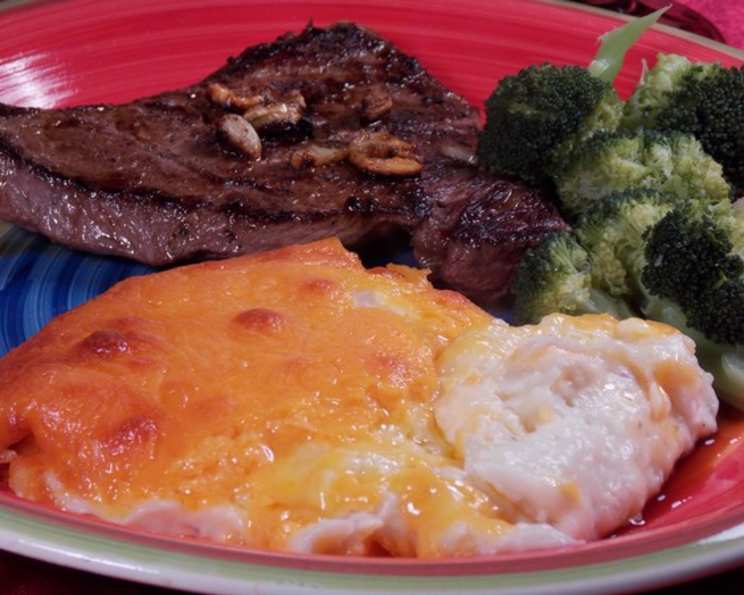
The World’s Best Mashed Potatoes: A Hug on a Plate
It was a brisk autumn evening, the kind that calls for roaring fires and comforting food, when I first encountered these mashed potatoes. I was at a Boy Scout potluck with my son, surrounded by a delightful chaos of chili, casseroles, and an impressive array of homemade desserts. Then, I saw them. Nestled in a simple casserole dish, a golden-brown crust hinting at creamy richness beneath, these mashed potatoes were a revelation. The Scout leader, a kind woman with flour perpetually dusting her apron, graciously shared her secret. It wasn’t a complicated affair, but the result was utterly sublime – a dish so versatile it could grace a formal dinner party as easily as it satisfied a hungry troop of scouts. This recipe has since become a cornerstone in my own kitchen, a dish that disappears faster than any other and sparks minor (but affectionate) squabbles over who gets the last serving.
Recipe Overview
- Prep Time: 15 minutes
- Cook Time: 45 minutes
- Total Time: 1 hour
- Servings: 6
- Yield: One 9-inch casserole dish
- Dietary Type: Vegetarian
Ingredients
- 2 ½ pounds potatoes, peeled and cubed
- 1 (16 ounce) carton sour cream (the amount can vary; see notes in instructions)
- ¼ cup butter or ¼ cup margarine
- 1 to 2 cups shredded Colby cheese or 1 to 2 cups shredded cheddar cheese (optional)
- Salt, to taste
- Pepper, to taste
- Cooking spray
Equipment Needed
- Medium-sized saucepan
- Potato masher or electric mixer
- Mixing bowl
- 9-inch casserole dish
- Oven
Instructions
The journey to unparalleled mashed potato perfection begins with selecting the right spuds. While many potato varieties will work, a good all-purpose potato like Yukon Gold or Russet will provide that lovely creamy texture. Start by peeling your potatoes and then cutting them into roughly uniform, cubed pieces. Aim for pieces that are about 1 to 1 ½ inches in size, as this will ensure they cook evenly.
Next, place these cubed potatoes into a medium-sized saucepan. Generously cover the potatoes with water, ensuring they are fully submerged. Place the saucepan on the stove over medium heat. Now, the waiting game begins. Cook the potatoes until they are fork-tender. This typically takes anywhere from 10 to 15 minutes, but the exact time will depend on the size of your cubes and the type of potato you’ve chosen. You’ll know they’re ready when a fork easily pierces them with no resistance.
Once the potatoes are tender, remove the saucepan from the heat. It’s crucial to drain any remaining water thoroughly. Excess water is the enemy of creamy mashed potatoes, so don’t be shy about tilting the saucepan and letting every last drop escape.
Now, transfer the drained potatoes into a mixing bowl. Add the ¼ cup of butter (or margarine) to the hot potatoes. If you’re using an electric mixer, set it to a medium-high speed, around 7 or 8, and start to whip the potatoes and butter together. The heat from the potatoes will begin to melt the butter, incorporating it beautifully.
Slowly begin to add the sour cream, continuing to whip the potatoes until they are smooth and creamy. This is where the magic truly happens. You’ll notice the texture transforming from lumpy to lusciously smooth. A crucial point to remember is that the amount of sour cream you need can vary. Softer potatoes might absorb more liquid, meaning you might use the full 16 ounces. Other, firmer potatoes might require slightly less. Taste and texture are your best guides here; you’re aiming for a consistency that is both decadent and easily spoonable.
Season generously with salt and pepper to your liking. Don’t be afraid to season well; mashed potatoes are a blank canvas, and proper seasoning is key to bringing out their full flavor potential.
Once your mashed potatoes have reached their ideal creamy state, pour them into a casserole dish that has been generously sprayed with cooking spray. This prevents any sticking and ensures a clean release when serving.
If you’re opting for the cheesy delight, top the mashed potatoes with as much shredded Colby or cheddar cheese as your heart desires. I personally love a generous blanket of cheese, letting it melt into a golden, bubbly crown.
Preheat your oven to 350°F (175°C). Bake the potatoes in the preheated oven for approximately 20 minutes, or until the cheese is wonderfully bubbly and the edges of the potatoes begin to brown slightly. This baking time allows the flavors to meld and creates that irresistible slightly crisp exterior.
Finally, remove the casserole dish from the oven and let it sit for about five minutes before serving. This resting period allows the potatoes to set slightly, making them easier to serve and preventing any scalding surprises.
A Note for Gravy Lovers: If you are planning to serve these mashed potatoes alongside a dish that features a delicious gravy, you have a wonderful option to adapt this recipe. In this case, you can leave off the cheese entirely. Simply follow all the other steps, bake the potatoes until they are bubbly, and they will be the perfect, neutral canvas to soak up all that savory goodness from your gravy.
Expert Tips & Tricks
The beauty of this recipe lies in its simplicity, but a few chef’s touches can elevate it even further. For an extra layer of richness and depth, consider using a combination of butter and a good quality olive oil. When mashing, if you don’t have an electric mixer, a sturdy potato masher will do the trick, but be patient and work the potatoes until they are as smooth as possible. For an even more luxurious texture, you can rinse the potatoes under cold water after draining them to remove excess starch before whipping. This subtle step can make a noticeable difference in the final creaminess. If you prefer a very smooth, restaurant-style mash, consider passing the potatoes through a potato ricer before adding the butter and sour cream.
Serving & Storage Suggestions
These World’s Best Mashed Potatoes are a true crowd-pleaser and pair beautifully with almost any main course. Serve them piping hot, spooned generously onto plates. They are a classic accompaniment to roasted meats like chicken, turkey, or beef, but they also shine alongside fish, sausages, or hearty vegetarian stews. Garnish with a sprinkle of fresh chives or parsley for a pop of color and freshness.
Leftovers, if you are fortunate enough to have any, can be stored in an airtight container in the refrigerator for up to 3 to 4 days. To reheat, the microwave is your friend for a quick, individual portion, or you can gently warm them in a saucepan over low heat, adding a splash of milk or extra sour cream to restore their creamy consistency. For a larger batch, reheating in the oven at a moderate temperature (around 325°F or 160°C) until warmed through is also an excellent option, especially if you plan to add a little extra cheese on top.
Nutritional Information
| Nutrient | Amount per Serving | % Daily Value |
|---|---|---|
| Calories | 441.6 kcal | |
| Calories from Fat | 60% | |
| Total Fat | 29.6 g | 45% |
| Saturated Fat | 17.9 g | 89% |
| Cholesterol | 79.7 mg | 26% |
| Sodium | 256.4 mg | 10% |
| Total Carbohydrate | 35.8 g | 11% |
| Dietary Fiber | 4.2 g | 16% |
| Sugars | 4.4 g | 17% |
| Protein | 10 g | 20% |
(Nutritional information is an estimate and can vary based on specific ingredients and quantities used.)
Variations & Substitutions
While this recipe is already a triumph, you can certainly play with it to suit your preferences. For a lighter version, you could experiment with Greek yogurt in place of some or all of the sour cream. If you’re dairy-free, a good quality plant-based sour cream and a rich vegan butter or olive oil can work beautifully, though the flavor profile will shift slightly. Some adventurous souls have even incorporated a touch of cream cheese for an extra decadent, ultra-rich mash. For a touch of earthiness and color, a swirl of roasted garlic or a handful of finely chopped fresh herbs like chives, parsley, or even dill can be stirred in before baking.
FAQs
Q: What is the best type of potato for making mashed potatoes?
A: Starchy and floury potatoes like Russets or Yukon Golds are generally best as they break down easily and create a fluffy texture.
Q: How can I ensure my mashed potatoes are creamy and not gluey?
A: Avoid overmixing, especially after adding the sour cream, and ensure you drain the potatoes thoroughly to prevent excess water from creating a gummy texture.
Q: Can I make these mashed potatoes ahead of time?
A: Yes, you can prepare the mashed potatoes up to the point of baking, let them cool, and refrigerate. Reheat in the oven until warmed through, adding a little extra liquid if needed.
Q: Why is the amount of sour cream variable?
A: Different potato varieties have different starch and moisture content. Softer potatoes absorb more liquid, meaning they may require more sour cream to achieve the desired creamy consistency.
Q: Is it ever possible to have too much cheese on mashed potatoes?
A: In my culinary opinion, that’s a question that has no right answer! It truly comes down to personal preference.
Final Thoughts
These mashed potatoes are more than just a side dish; they are an experience. They are the embodiment of comfort, a warm hug on a plate that can soothe the soul after a long day or be the perfect accompaniment to a celebratory feast. I encourage you to try this recipe, to experience the simple joy it brings, and to share it with your loved ones. Don’t be afraid to make it your own, to add your personal touch, and to create new memories around this beloved classic. Perhaps next time, you’ll pair them with a hearty pot roast or a perfectly grilled steak – either way, you’ll be met with smiles and satisfied sighs.