
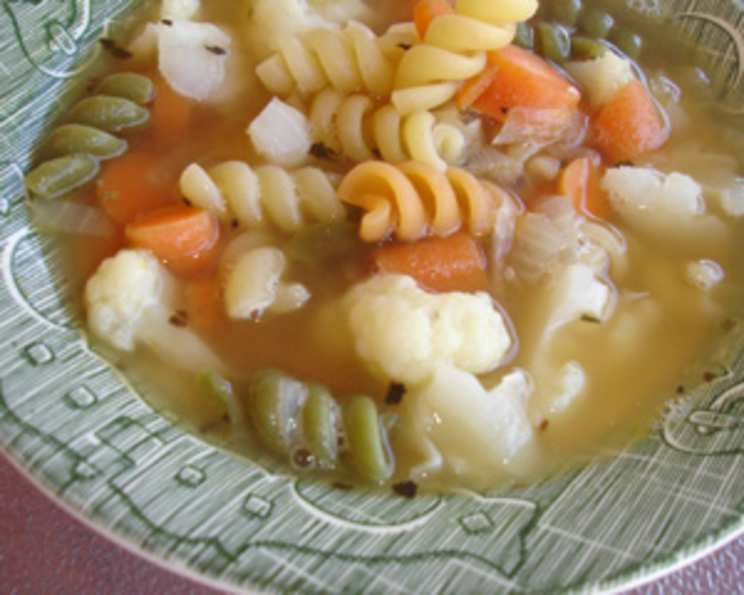
WWII PT Pasta and Cauliflower Soup: A Taste of Resilience
There are some dishes that transcend mere sustenance; they carry stories, whispers of resilience, and the comforting embrace of simpler times. This Pasta and Cauliflower Soup is one of those culinary treasures for me. I remember stumbling upon a tattered recipe card, a handwritten relic from a distant relative who had lived through the rationing and ingenuity of World War II. The simplicity of the ingredients – humble cauliflower, basic pasta, everyday vegetables – struck me immediately. It spoke of making the most of what was available, of turning basic pantry staples into something deeply satisfying. As I cooked it for the first time, the aroma of sautéed carrots and onions, infused with the earthy scent of cauliflower, filled my kitchen. It wasn’t a fancy dish, not by any modern standard, but in its very essence, it was a testament to the power of home cooking and the enduring human spirit.
Recipe Overview
- Prep Time: 15 minutes
- Cook Time: 30 minutes
- Total Time: 45 minutes
- Servings: 4
- Yield: 6 cups
- Dietary Type: Adaptable (Vegetarian/Vegan with Vegetable Broth)
Ingredients
- Cooking spray (I use olive oil in a spritzer)
- 1/2 cup carrot, cut into very small cubes
- 1/2 cup onion, finely chopped
- 2 cups cauliflower florets, fresh
- 4 cups chicken broth (or vegetable broth for a vegetarian/vegan option)
- 3 ounces small shell pasta, spinach preferred (or any small pasta shape)
- 1 tablespoon fresh basil, chopped, or 1 teaspoon basil, dried
- Black pepper, freshly ground to taste
Equipment Needed
- Large saucepan or Dutch oven
- Stirring spoon
- Measuring cups and spoons
- Knife and cutting board
Instructions
- Begin by preparing your cooking vessel. Spray a large saucepan or Dutch oven with cooking olive oil spray or your preferred nonstick spray. This initial step ensures your vegetables won’t cling to the bottom and promotes even cooking.
- Introduce the diced carrot and finely chopped onion to the prepared saucepan. Place it over medium heat.
- Sauté the carrot and onion for 3 minutes, stirring occasionally. Your goal here is to soften these aromatic vegetables until they are just tender. It is crucial to do not brown them; we are aiming for a gentle coaxing of their flavor, not a caramelization that could alter the delicate balance of the soup.
- Next, add the cauliflower florets and chicken broth to the saucepan.
- Cover the saucepan and simmer the mixture for 10 minutes. This simmering period allows the cauliflower to begin to soften and infuse its subtle, earthy notes into the broth, creating a flavorful base for the soup.
- After the initial simmer, stir in the small shell pasta and the basil (whether fresh or dried).
- Bring the soup to a low boil.
- Continue to cook for an additional 15 minutes, or until the shells are just tender. It’s important to taste a piece of pasta to ensure it has reached your desired tenderness – al dente is ideal, avoiding mushiness.
- Ladle the soup into individual bowls. Sprinkle each serving with freshly ground black pepper to taste. This simple seasoning brightens the flavors and adds a pleasant warmth.
Expert Tips & Tricks
The beauty of this soup lies in its simplicity, but a few chef-level touches can elevate it further. For an even creamier texture, without altering the core ingredients or wartime spirit, consider reserving about a cup of the broth and cooked cauliflower before adding the pasta. Once the soup is finished, you can blend this reserved portion until smooth and stir it back into the main pot. This creates a richer mouthfeel reminiscent of more elaborate soups, all while using the original ingredients. When selecting your cauliflower, look for firm, white heads with tight florets. If using fresh basil, add it in the last few minutes of cooking to preserve its vibrant flavor and aroma; dried basil can be added with the pasta as instructed. For the pasta, while spinach shells are a delightful choice for color, any small pasta shape will work beautifully. Be mindful not to overcook the pasta, as it will continue to soften slightly as the soup sits.
Serving & Storage Suggestions
This hearty soup is best served piping hot, allowing the aromas to entice your diners. I find it’s absolutely wonderful served with a crusty piece of bread for dipping, a simple indulgence that complements the soup’s humble origins. For an optional, though not strictly period-accurate, touch, you can sprinkle each bowl with a bit of light Parmesan or Romano cheese just before serving.
Leftovers can be stored in an airtight container in the refrigerator for up to 3 days. The pasta will continue to absorb liquid, so you might find the soup to be thicker upon reheating. To reheat, gently warm the soup on the stovetop over low heat, adding a splash of broth or water if it has become too thick. Avoid boiling vigorously after reheating. This soup is not ideal for freezing due to the pasta, which can become mushy after thawing.
Nutritional Information
| Nutrient | Amount per Serving | % Daily Value |
|---|---|---|
| Calories | 146.4 kcal | |
| Calories from Fat | ||
| Total Fat | 1.9 g | 2 % |
| Saturated Fat | 0.5 g | 2 % |
| Cholesterol | 0 mg | 0 % |
| Sodium | 775.8 mg | 32 % |
| Total Carbohydrate | 23 g | 7 % |
| Dietary Fiber | 2.5 g | 10 % |
| Sugars | 3.9 g | 15 % |
| Protein | 9.1 g | 18 % |
Note: Nutritional values are estimates and can vary based on specific ingredients and brands used.
Variations & Substitutions
While this recipe is a beautiful tribute to wartime frugality, it’s also a fantastic canvas for gentle modernization. For those observing a vegetarian or vegan diet, the substitution of vegetable broth for chicken broth is seamless and equally delicious. If you find yourself without small shell pasta, any other small pasta shape like ditalini, or even broken spaghetti, will work. For a touch of added richness without straying too far from the original ethos, a swirl of olive oil just before serving can be a lovely addition. If you happen to have a bounty of other root vegetables like parsnips or potatoes, finely diced and added alongside the carrots and onions, they can offer a delightful variation in texture and flavor.
FAQs
Q: Can I use frozen cauliflower instead of fresh?
A: Yes, frozen cauliflower florets can be used. You may need to adjust the simmering time slightly, as frozen vegetables often cook a little faster. Add them directly from frozen.
Q: Is it okay to add other vegetables to this soup?
A: While this recipe is designed for simplicity, you can certainly add other hardy vegetables like diced potatoes, parsnips, or leeks along with the carrots and onions.
Q: My soup seems a bit bland. How can I enhance the flavor?
A: Ensure you are using a good quality broth. A pinch of dried thyme or a bay leaf simmered in the broth can also add depth. Freshly ground black pepper is crucial for brightening the flavors.
Q: Can I make this soup ahead of time?
A: The soup can be made ahead and stored in the refrigerator for up to 3 days. However, it is best enjoyed the day it is made to prevent the pasta from becoming too soft.
Q: What kind of pasta is best for this soup?
A: Small pasta shapes that cook relatively quickly are ideal. Spinach shells offer a nice visual appeal, but any small macaroni, ditalini, or even orzo will work well.
Final Thoughts
This WW2 PT Pasta and Cauliflower Soup is more than just a recipe; it’s a culinary handshake with history, a reminder of the resourcefulness and resilience that defined a generation. It’s a dish that nourishes not only the body but also the spirit, offering comfort and a tangible connection to the past. I encourage you to try this simple, yet profoundly satisfying soup. Let its humble ingredients tell their story in your kitchen. Perhaps, as you enjoy a warm bowl, you’ll find yourself reflecting on the quiet strength that can be found in making the most of what you have. Pair it with a robust, crusty bread, and you have a meal that is both grounding and deeply comforting.