
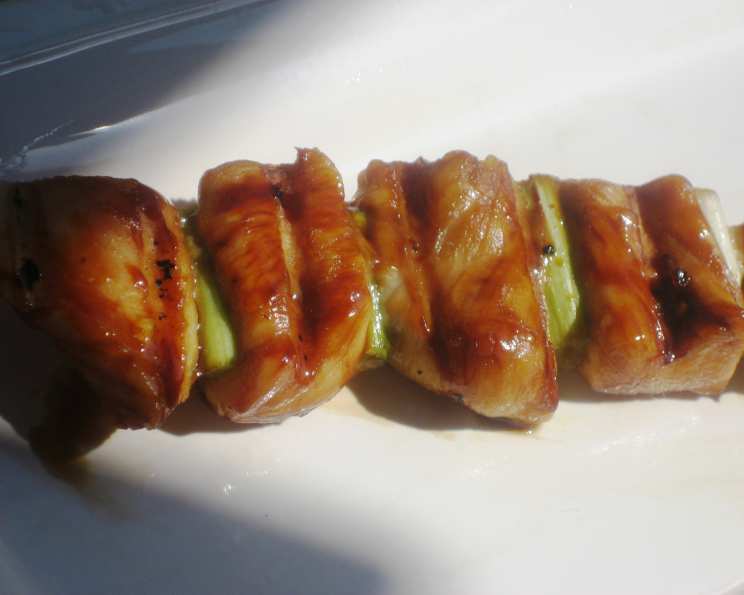
The Irresistible Char of Yakitori: Perfectly Grilled Chicken Skewers
There’s a particular magic to Yakitori, a simple yet profound joy that transports me back to bustling Tokyo izakayas and the intoxicating aroma of charcoal grilling. I remember my first time in one of those tiny, smoke-filled establishments, perched on a stool at the counter, watching the skilled chefs artfully flip skewers over glowing coals. The air was thick with the promise of deliciousness, a symphony of sizzling chicken, sweet tare sauce, and the faint whisper of sake. Each perfectly browned skewer, glistening with glaze, felt like a miniature masterpiece, a testament to the beauty of uncomplicated, expertly prepared food. It’s this memory, this sensory overload of pure culinary delight, that fuels my passion for recreating this beloved Japanese classic at home.
Yakitori: Chicken on Skewers
- Prep Time: 20 minutes
- Cook Time: 7–8 minutes
- Total Time: 28–29 minutes (plus skewer soaking time)
- Servings: 4–5
- Yield: 25 skewers
- Dietary Type: Contains Soy
Ingredients
- 1 kg chicken thigh fillet, skinless and boneless
- 10 spring onions, cut diagonally into 2cm pieces
- 1/2 cup sake
- 3/4 cup Japanese soy sauce
- 1/2 cup mirin
- 2 tablespoons sugar
Equipment Needed
- Wooden skewers (at least 25)
- Small saucepan
- Grill or broiler
- Foil-lined baking tray
Instructions
- Prepare the Skewers: Begin by soaking your 25 wooden skewers in water. This is a crucial step to prevent them from burning under the heat of the grill. Allow them to soak for at least 20 minutes.
- Prepare the Chicken: While the skewers are soaking, prepare the chicken. Cut the chicken thigh fillet into bite-sized pieces. Aim for pieces that are roughly uniform in size, about 2-3 cm, to ensure even cooking.
- Make the Tare Sauce: In a small saucepan, combine the sake, Japanese soy sauce, mirin, and sugar. Place the saucepan over medium heat and bring the mixture to a boil. Once it has reached a boil, set it aside. This delicious glaze, known as “tare,” will be brushed onto the skewers as they cook, imparting a rich, complex flavor.
- Assemble the Skewers: Now, it’s time to thread the chicken and spring onions onto your prepared skewers. Thread the chicken pieces onto the skewers, alternatively with the spring onion pieces. Try to pack them relatively closely, but not so tightly that they won’t cook evenly. The alternating pattern not only looks appealing but also allows the flavors to meld beautifully during grilling.
- Grill the Yakitori: Place the assembled skewers on a foil-lined tray. This makes for easy cleanup and prevents any drips from causing flare-ups. Preheat your grill or broiler.
- Cook and Glaze: Position the tray under the preheated grill. Cook the skewers for 7–8 minutes, or until the chicken is cooked through. During this cooking time, it’s essential to turn the skewers frequently and brush them generously with the prepared tare sauce. Continue this process, turning and brushing, until the chicken reaches your desired level of doneness and the glaze has caramelized to a beautiful, glossy finish.
Expert Tips & Tricks
The beauty of Yakitori lies in its simplicity, but a few chef-level touches can elevate your homemade skewers from good to absolutely sensational.
- Chicken Choice: While thigh meat is ideal for its succulence and fat content, you can experiment with other cuts of chicken, adjusting cooking times accordingly. However, thigh meat’s inherent tenderness and flavor-holding capacity make it the undisputed champion for Yakitori.
- Tare Consistency: The tare sauce should have a slightly syrupy consistency after boiling. If it seems too thin, you can simmer it for a few extra minutes to reduce it. If it becomes too thick, a splash of sake or water can thin it out.
- Grilling Technique: Achieving that perfect char and glaze is all about timing and attention. Don’t be afraid to get your grill quite hot; the key is to turn the skewers regularly to prevent burning while allowing the glaze to caramelize. A good oven broiler works wonderfully when grilling isn’t an option.
- Doneness Test: To check if the chicken is cooked, you can carefully cut into one of the larger pieces. It should be opaque all the way through with no pinkness. The juices should run clear.
- Beyond the Grill: If you don’t have access to a grill or broiler, you can also bake these skewers in a preheated oven at 200°C (400°F). However, you might want to finish them under the broiler for the last minute or two to achieve that desirable caramelized glaze.
Serving & Storage Suggestions
Yakitori is incredibly versatile and can be served as a fantastic appetizer, a light main course, or as part of a larger Japanese-inspired feast.
- Serving: Present your beautifully glazed chicken skewers immediately after they come off the grill, while they’re still hot and glistening. They are traditionally served with a sprinkle of shichimi togarashi (Japanese seven-spice blend) for an extra kick of heat and complexity. A side of steamed rice, a refreshing cucumber salad, or some pickled ginger would complement these skewers perfectly.
- Storage: Leftover Yakitori can be stored in an airtight container in the refrigerator for up to 2 days. To reheat, it’s best to gently warm them in a skillet over medium-low heat, or under a broiler for a minute or two, to revive their texture and flavor without drying them out. They can also be frozen for up to 1 month, though the texture may be slightly altered upon thawing and reheating.
Nutritional Information
Here’s an approximate nutritional breakdown for this delicious Yakitori recipe:
| Nutrient | Amount per Serving (approx.) | % Daily Value (approx.) |
|---|---|---|
| Calories | 419.8 kcal | |
| Calories from Fat | 89 kcal | |
| Total Fat | 9.9 g | 15% |
| Saturated Fat | 2.5 g | 12% |
| Cholesterol | 207.5 mg | 69% |
| Sodium | 3419.6 mg | 142% |
| Total Carbohydrate | 15.3 g | 5% |
| Dietary Fiber | 1.4 g | 5% |
| Sugars | 8.5 g | 34% |
| Protein | 55.8 g | 111% |
Note: Nutritional values are estimates and can vary based on specific ingredients and portion sizes used.
Variations & Substitutions
While this recipe focuses on the classic chicken thigh, the world of Yakitori is vast and inviting for exploration.
- Vegetable Skewers: Complement your chicken skewers with vegetable-only options. Bell peppers, zucchini, shiitake mushrooms, cherry tomatoes, and asparagus all grill beautifully and can be brushed with the same tare sauce.
- Other Meats: Consider using pork belly, lamb pieces, or even beef sirloin for a different flavor profile. Adjust grilling times as needed for different meats.
- Seafood Yakitori: Large shrimp or scallops are excellent candidates for Yakitori, grilling very quickly and absorbing the tare sauce wonderfully.
- Gluten-Free Option: For a gluten-free version, ensure your Japanese soy sauce is replaced with tamari or another gluten-free soy sauce alternative.
- Spice It Up: For those who enjoy a bit of heat, add a pinch of red pepper flakes to the tare sauce, or serve with sriracha or chili oil on the side.
FAQs
Q: Why do I need to soak wooden skewers before using them?
A: Soaking wooden skewers in water prevents them from catching fire and burning up too quickly when exposed to the intense heat of the grill or broiler.
Q: What’s the best way to ensure the chicken is cooked through without drying it out?
A: Using chicken thighs is key, as they are more forgiving and stay moist. Turning and basting frequently with the tare sauce also helps to protect the chicken from direct heat and keeps it moist while it cooks.
Q: Can I make the tare sauce ahead of time?
A: Yes, the tare sauce can be made up to 3 days in advance and stored in an airtight container in the refrigerator. Reheat it gently before using.
Q: What is the ideal size for the chicken pieces?
A: Bite-sized pieces, roughly 2-3 cm (about 1 inch), are ideal. This ensures they cook through relatively quickly and evenly on the skewers.
Q: Is it okay to grill Yakitori over charcoal?
A: Absolutely! Grilling over charcoal imparts a wonderful smoky flavor that is highly desirable for Yakitori. Just be mindful of heat management and turning frequently.
Final Thoughts
The simple act of threading and grilling can transform humble ingredients into something truly special. Yakitori is more than just a dish; it’s an experience that celebrates fresh ingredients, masterful technique, and the sheer joy of shared food. Whether you’re hosting a casual get-together or simply craving a taste of Japan, these chicken skewers are sure to impress. So gather your ingredients, get your grill fired up, and prepare to be transported by the irresistible char and savory-sweet perfection of homemade Yakitori. Don’t hesitate to share your creations and perhaps discover your own favorite variations!